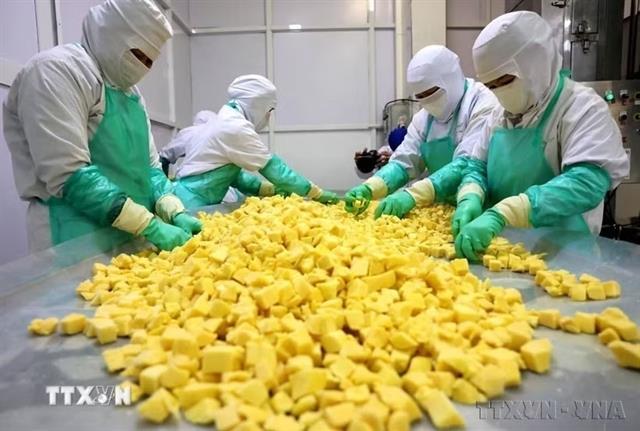
The EU is an important export market for Việt Nam’s agricultural, forestry and fishery products, offering significant advantages under the EU-Vietnam Free Trade Agreement (EVFTA).
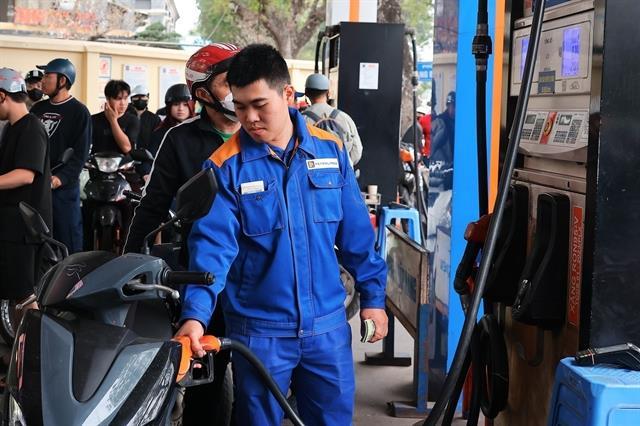
Fuel prices have risen in four consecutive adjustments for petrol and three for diesel, adding to costs for businesses ranging from livestock producers to transport operators.
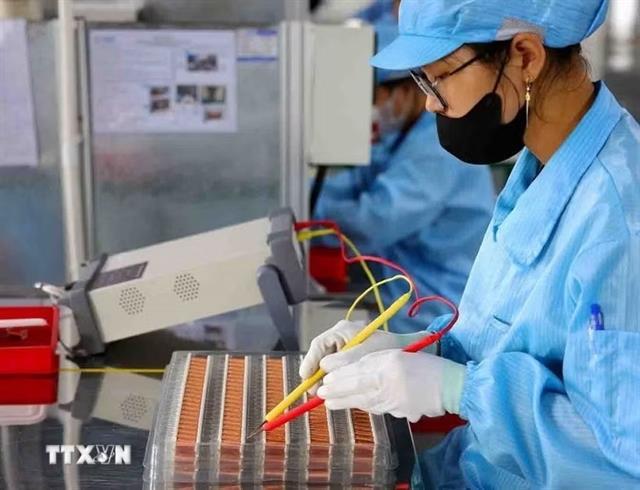
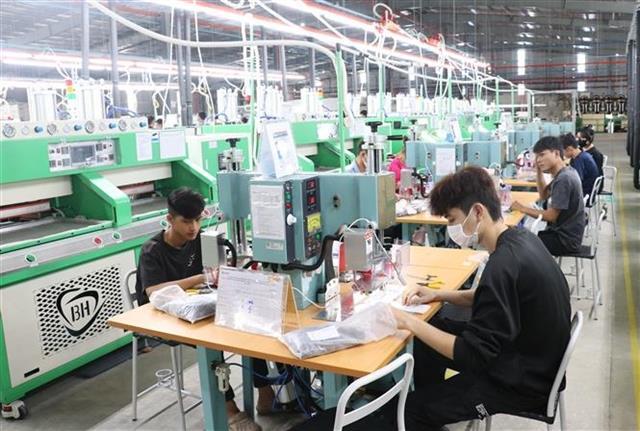
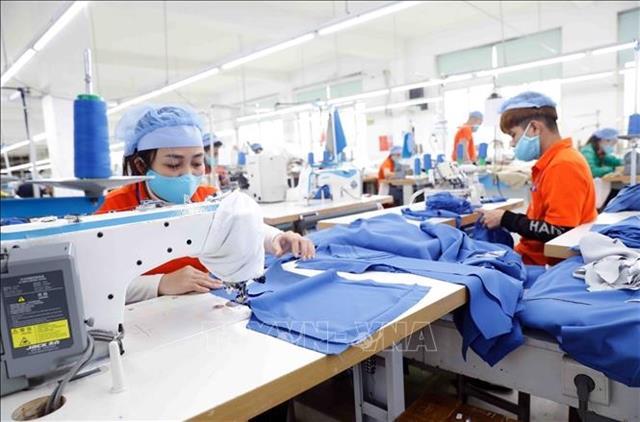
Economic experts said the sharp increase in FDI in the electronics sector is creating significant opportunities for Việt Nam, while also intensifying competition for labour.
For thousands of businesses that have stopped trading, shutting the door for good can mean months or even years of tax procedures, paperwork and accumulated obligations, leaving companies that are economically dead still alive on paper.
Việt Nam’s economy maintained strong momentum in eight months, but slower business re-entry, rising dissolutions and inflationary pressures highlight challenges as the Government pushes for double-digit growth.
As the export landscape has changed, businesses can no longer operate according to a fixed plan. Preparing for multiple scenarios is no longer an option, but a condition for retaining orders and market share.
As authorities step up oversight of the diamond market, experts say restoring consumer confidence will require greater transparency and stronger regulation, not just inspections.
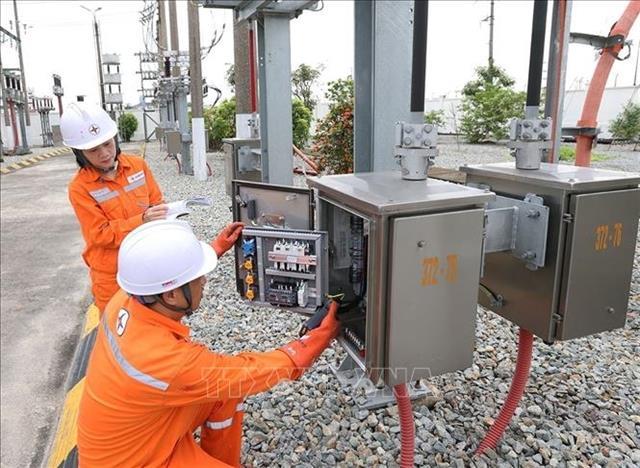
The development of AI, data centres, the trend towards carbon neutrality, and the need to ensure energy security are reshaping the game for the electricity industry.
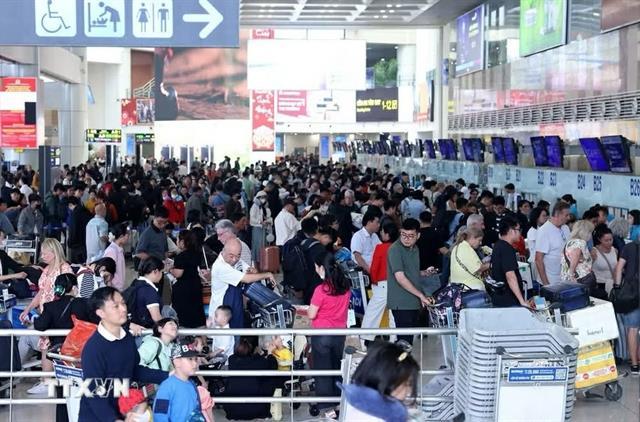
On international routes, Vietnamese carriers currently operate 109 international routes to 22 countries and territories worldwide. Foreign airlines from 41 countries and territories operate 235 scheduled routes to Việt Nam.
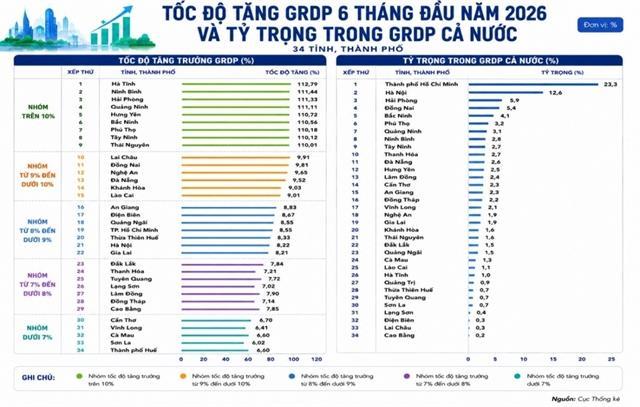
As Việt Nam assigns clearer growth responsibilities to localities, the latest GRDP results show that the next stage of provincial competition will depend not only on targets, but also on the ability to build stronger industries, attract investment and improve...
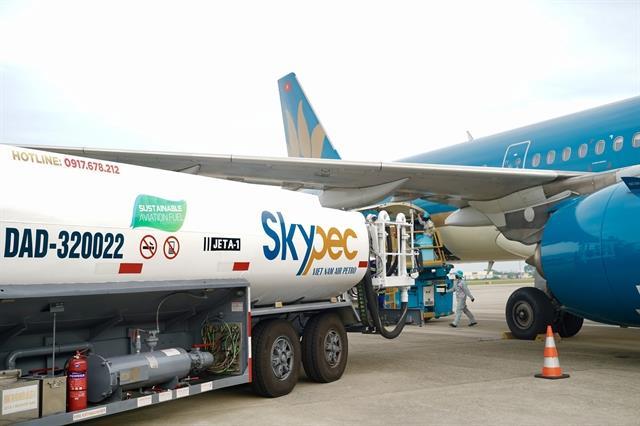
Việt Nam has the potential to produce about one million barrels of SAF a day between 2030 and 2050, supported by abundant agricultural residues from crops such as rice and cassava.
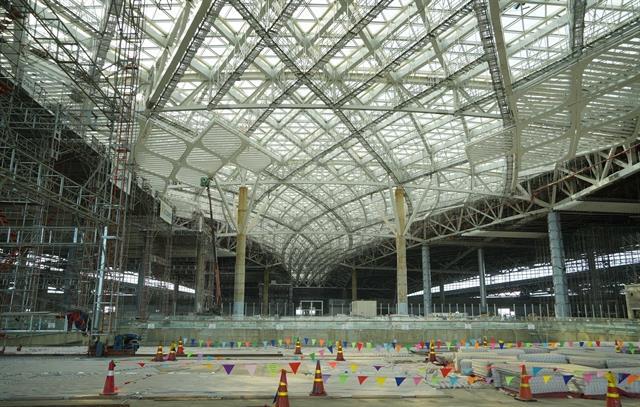
The Ministry of Construction is reviewing adjustments to the national airport development plan for 2030 (with a vision to 2050) that would increase the number of airports nationwide from 22 to 32 by 2030 and 35 by 2050.
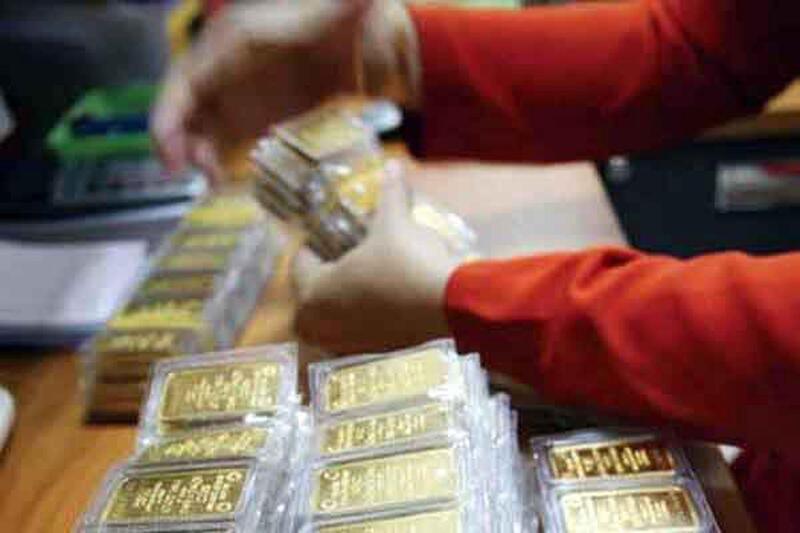
One of the most volatile weeks of 2026 has tested confidence in Việt Nam''s gold market, as bargain hunters return while uncertainty over global interest rates and economic conditions persists.
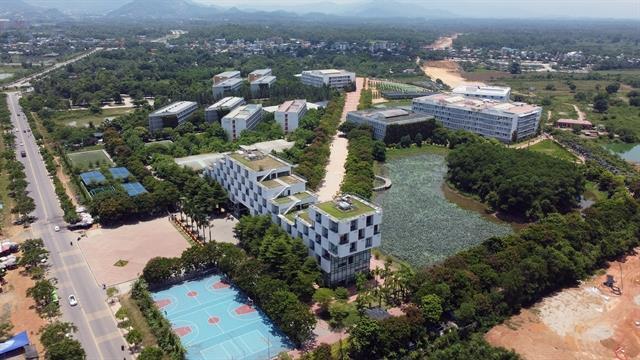
The effort took a major step forward on June 2 when the municipal People''s Council approved four resolutions designed to address longstanding regulatory, financial and infrastructure bottlenecks that have constrained the city''s innovation ecosystem and limited the commercial application of...