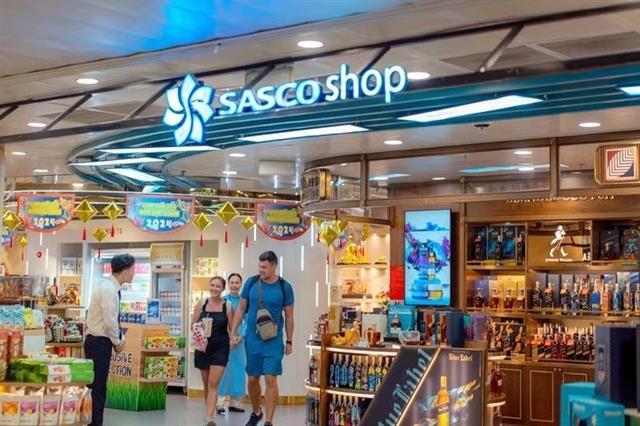
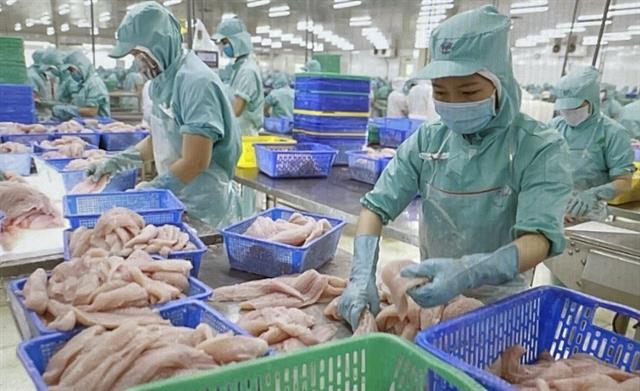
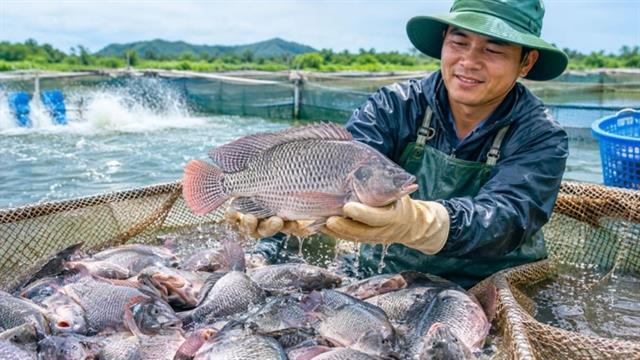
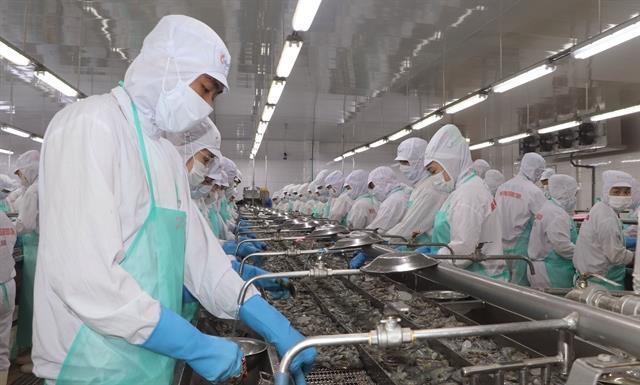
The domestic market should not be viewed simply as a lifeline when exports face difficulties, but as a long-term market where companies can build brands, develop products and increase value added.
Exports reached an estimated $56.3 billion in the first nine months, up 7.8 per cent from a year earlier, while the sector recorded a trade surplus of $16.9 billion, up 7.4 per cent, the ministry said.
Besides product quality, brand building, compliance with import-market regulations, sustainable development and digital technology are becoming increasingly important to businesses seeking to improve competitiveness and expand markets.
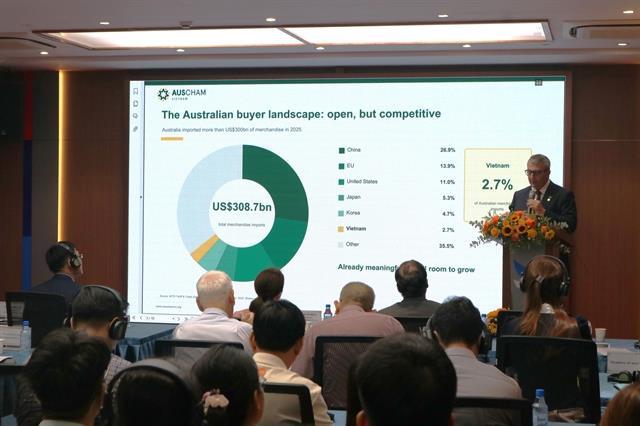
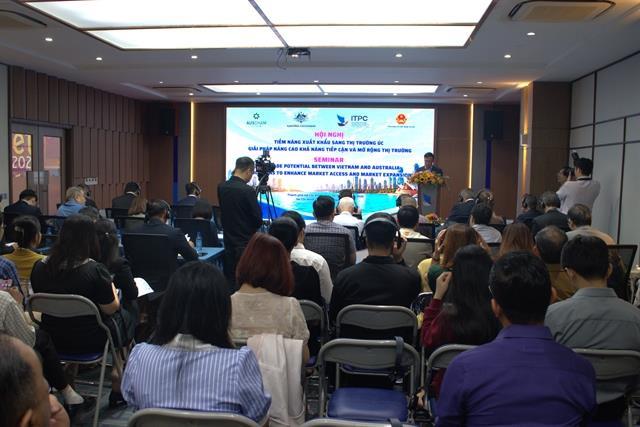
Việt Nam held just 2.7 per cent of Australia''s US$308 billion import market in 2025 despite an 88 per cent export surge between 2020 and 2025, leaving significant room for expansion.
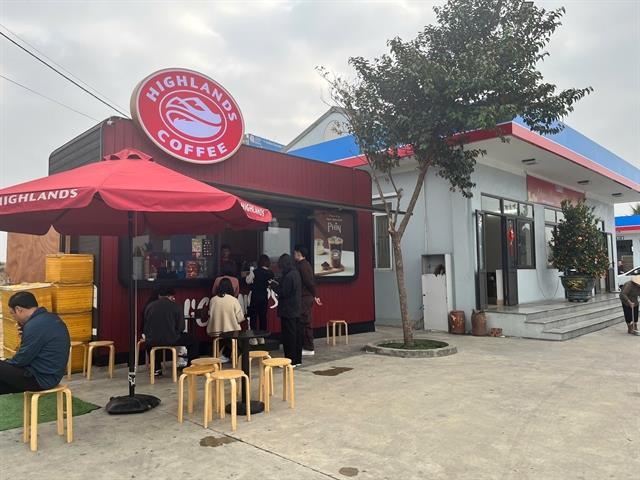
The latest move comes from Chinese convenience store operator Meiyijia, which has opened two Ohmee Express outlets at Petrolimex gas stations in Hà Nội, marking the first time the group has deployed its international convenience store format at petrol stations.
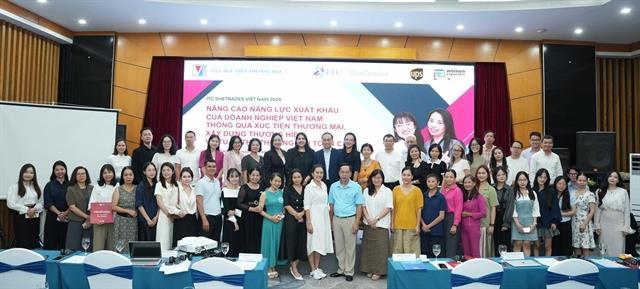
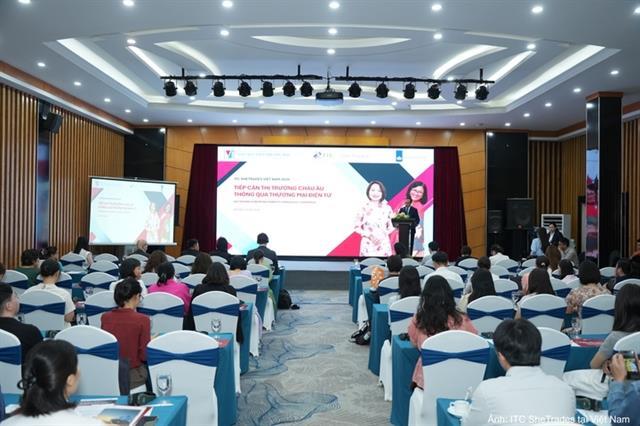
The second phase of the Access to the European Market through E-commerce project focuses on helping these businesses meet the standards, regulations and buyer requirements needed to enter the EU market.
A seminar held on September 30 aimed to discover the trade potential between Việt Nam and Australia and seek solutions to enhance market access and expansion in HCM City.
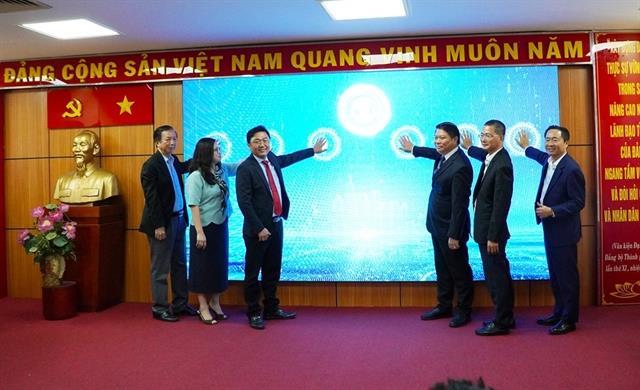
A new digital trade platform is set to give Vietnamese exporters an additional channel to connect with international buyers, combining online product information and business matching with physical trade fairs and production-site visits.
The CPTPP is emerging as more than an export market, offering Việt Nam opportunities to diversify suppliers, production networks and export destinations amid global trade restructuring.
Turning tariff preferences into a competitive advantage will require businesses to meet stringent requirements on quality, traceability and sustainable development.