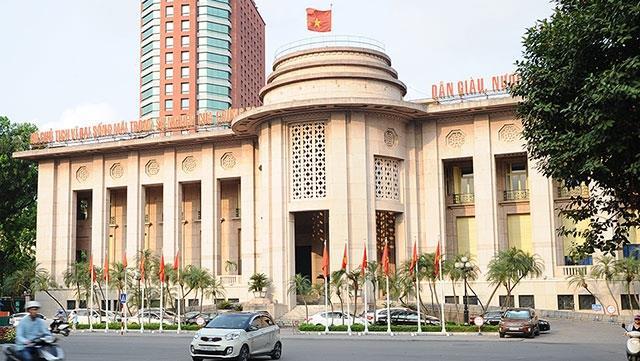
According to the Việt Nam Banks Association, the SBV injected a net VNĐ28.13 trillion through open market operations (OMO) in the final week of October.
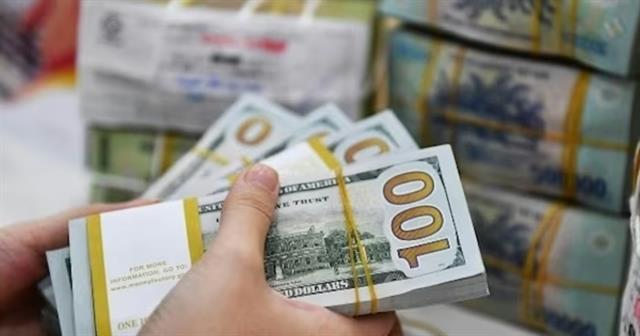
The central bank will purchase the dollars every Monday and Wednesday. If a scheduled transaction day falls on a public holiday, the purchase session will be moved to the next working day.
Circular 48 cuts foreign exchange transaction procedures from four to two, allows online submissions and s rules on settlement penalties and reporting obligations for credit institutions.
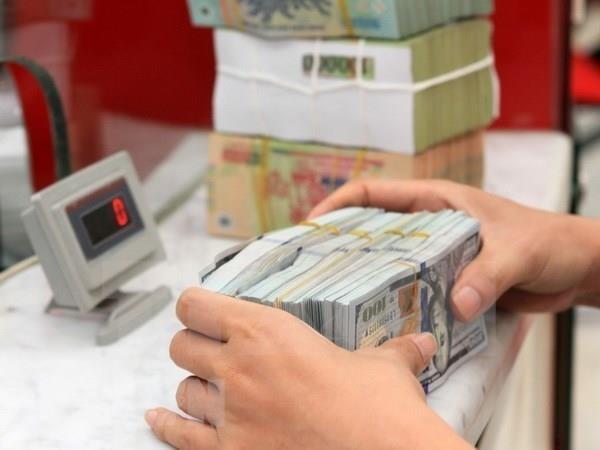
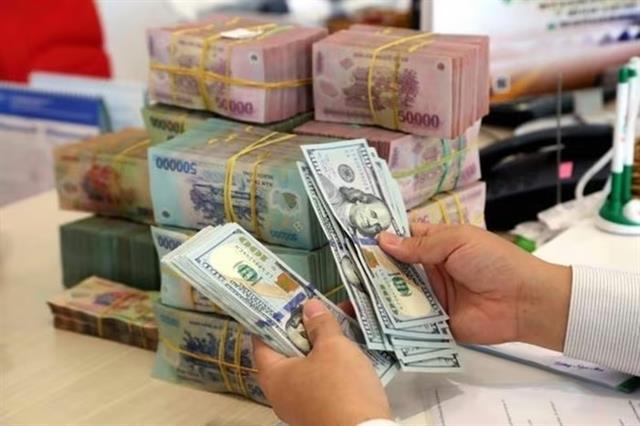
The State Bank of Vietnam (SBV) set the daily reference exchange rate at VNĐ25,623 buying a US dollar on November 5, down VNĐ4 from the previous session.
For service providers, the circular stipulates that the ion of a crypto-asset for trading must be publicly announced at least 7 days prior to the official commencement of trading.
According to the State Bank of Vietnam (SBV)’s Regional Branch 2, remittances transferred to HCM City through credit institutions and economic organisations totalled US$2.835 billion in Q3, an increase of more than $802 million from Q2.
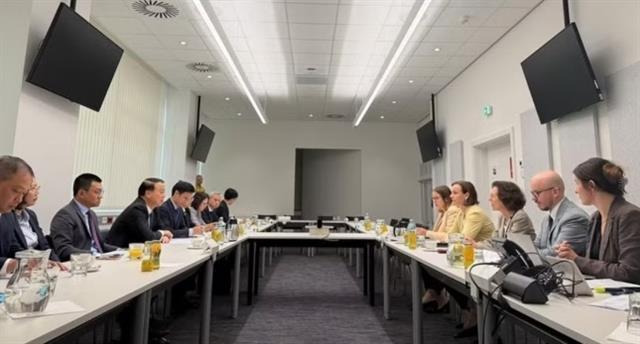
An Austrian official proposed that the two sides step up exchanges through the International Organisation of Securities Commissions (IOSCO) and hold online technical meetings for experts to share information and discuss issues of common interest.
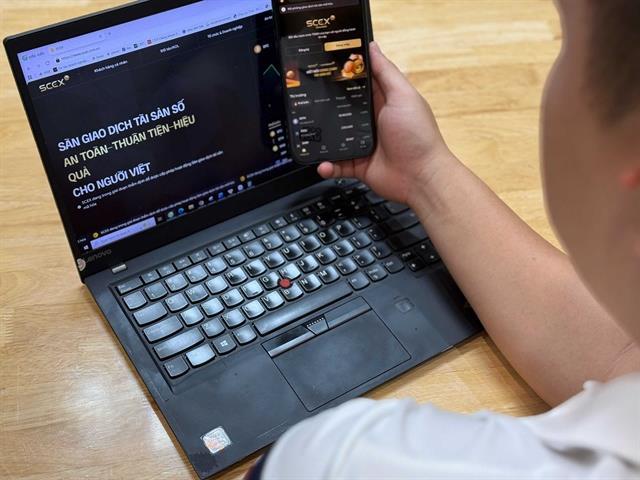
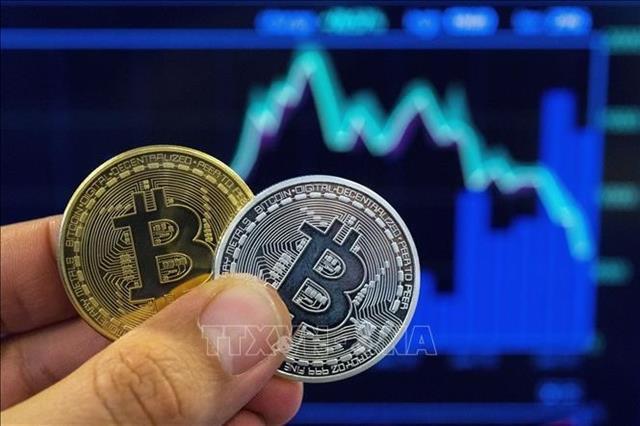
Vietnamese investors and businesses are looking to a locally licensed digital asset exchange to provide a legal, secure and transparent platform for trading as new rules governing crypto assets are set to take effect.
Exchange-rate stability has emerged as one of Việt Nam’s macroeconomic bright spots this year, despite mounting pressure from a record trade deficit and an uncertain global outlook.
The US dollar plunged on the free market while holding firm in banks, signalling easing speculation pressure and a narrowing gap between official and unofficial rates.
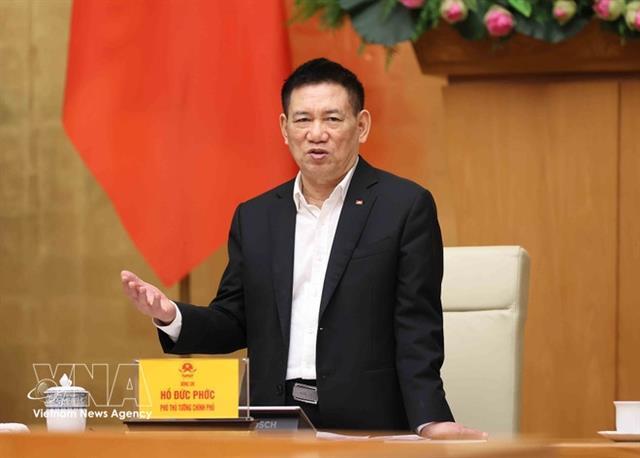
Phớc also urged ministries and sectors, in line with their mandates, to pool all available resources to fulfill the tasks set out in the plan, increase investment in workforce and technology for anti-money laundering work, review and amend legal regulations...
With the legal framework now in place and the pilot roadmap under way, the country’s crypto asset market is expected to gradually enter a more regulated development phase.