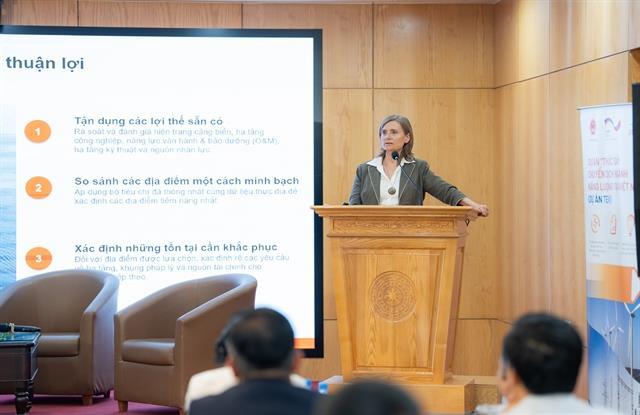
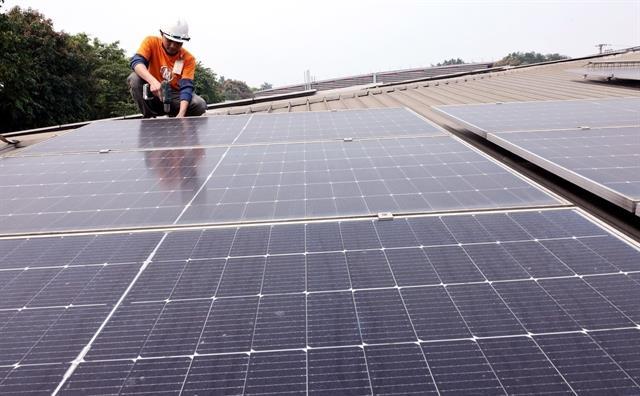
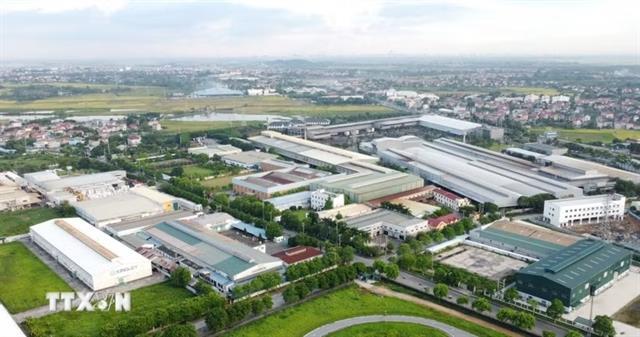
An initial study of the renewable energy hub model completed in July 2025 proposed an integrated ecosystem combining renewable energy generation with manufacturing, infrastructure and supporting services, research and innovation and workforce training.
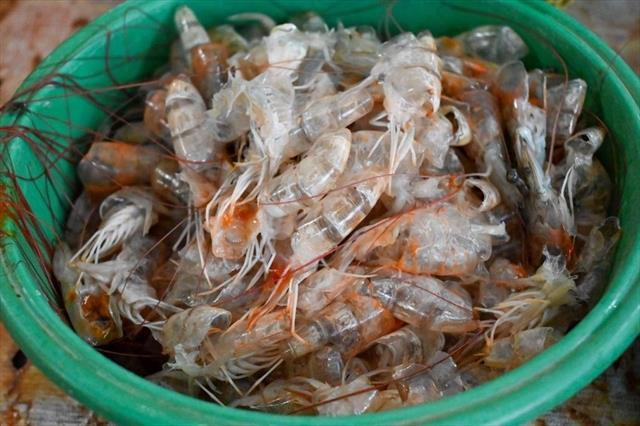
The seafood processing industry generates large volumes of by-products that could be converted into higher-value products, creating new economic opportunities, reducing waste and supporting the development of a circular bioeconomy.
The journey of a Vietnamese product to the European market may increasingly depend on something often overlooked: its packaging. New EU rules are pushing exporters to rethink materials, design and recycling, while creating pressure — and opportunities — for Việt...
For Vietnamese exporters, the journey of a product to an overseas market is increasingly being measured not only in dollars and tonnes, but also in carbon.
The domestic carbon exchange began pilot trading of greenhouse gas emission allowances at the Hanoi Stock Exchange (HNX) on June 29 under the code VN2025, marking a shift from building the regulatory framework to putting the market into operation.
As Việt Nam’s carbon market takes shape, businesses and investors highlight the need for credible emission reductions, transparent measurement and stronger access to green finance.
From a hotel on the Cửa Lò coast to factories in Hà Tĩnh’s industrial parks and households in the central provinces, small energy decisions are becoming part of a much larger national strategy.
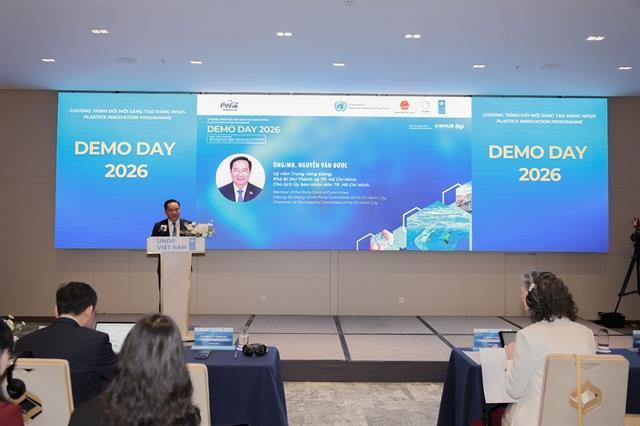
Eleven Vietnamese innovations showcased scalable solutions to tackle plastic pollution at Demo Day on August 20, part of the International Exhibition and Forum on Innovation and Sustainable Development (InnoEx 2026).
ESG practices can generate tangible business value, but only when companies integrate them into everyday production and investment decisions, said experts.
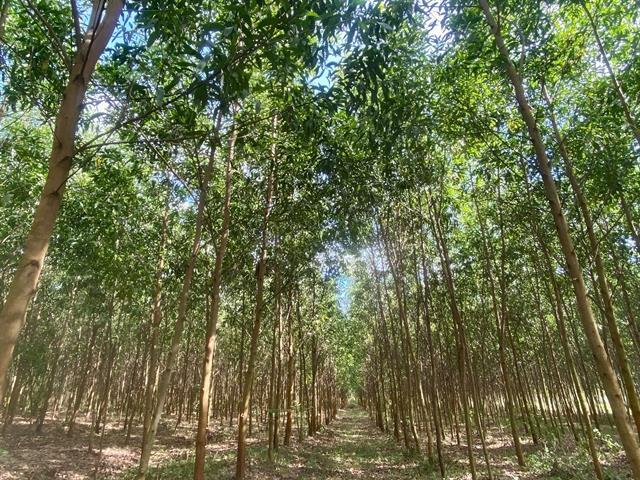
The rubber industry has significant opportunity to participate in the carbon market, given the trees'' long growth cycle, large biomass and ability to absorb and store carbon.
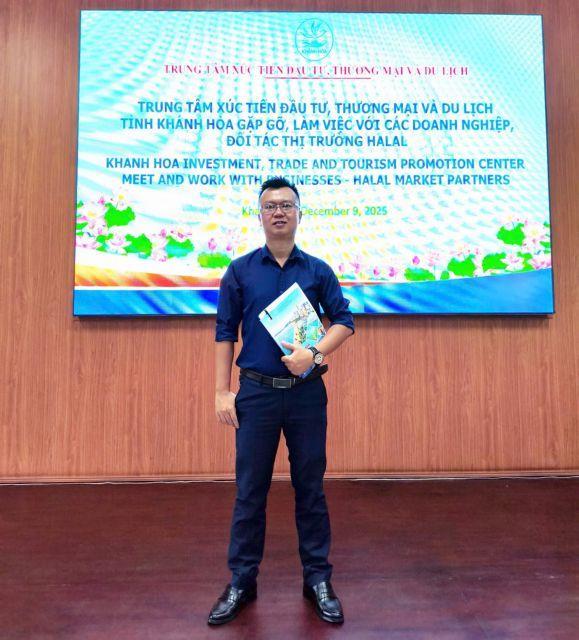
Nguyễn Huy Toàn of Halal Hub Việt Nam JSC, which serves as a platform to promote halal-certified businesses, speaks to Việt Nam News about how the province is building a halal ecosystem and the opportunities this s for local businesses.
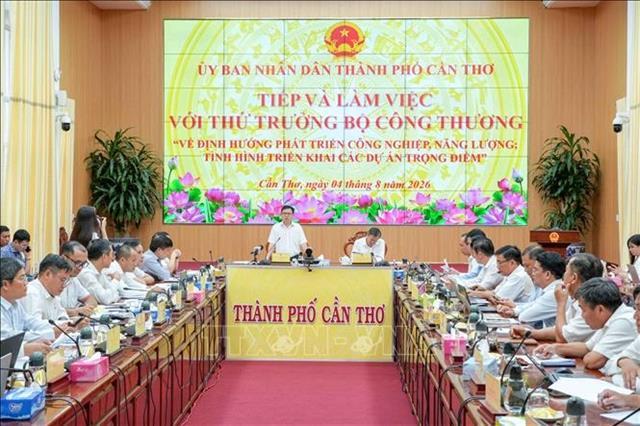
The proposal was presented during a meeting between the Cần Thơ People''s Committee and a delegation from the Ministry of Industry and Trade on Tuesday.