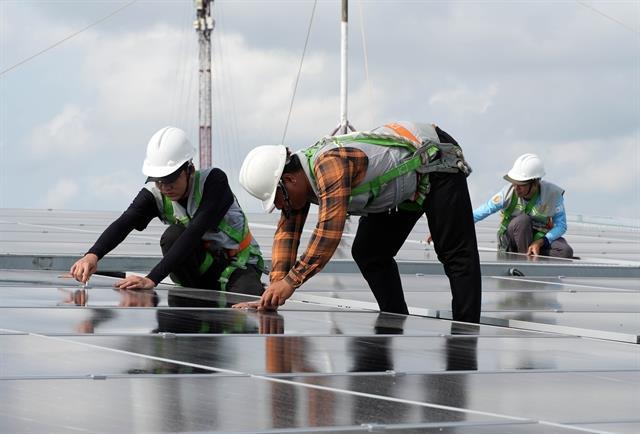
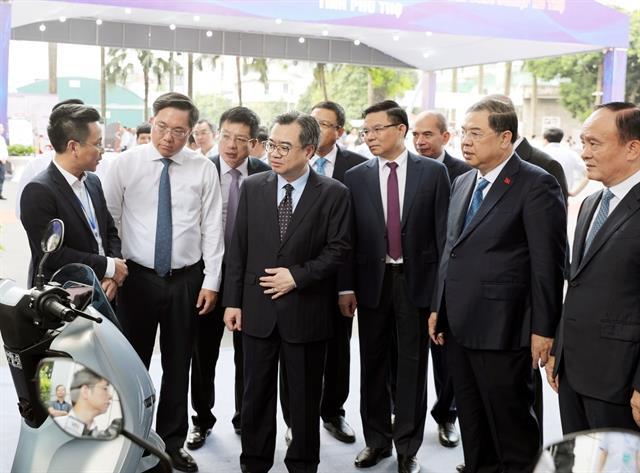
The Ministry of Industry and Trade plans to submit a revised Law on Electricity to the National Assembly at its October session, aiming to remove investment barriers and facilitate mobilisation of resources for power generation and grid development, said Deputy...
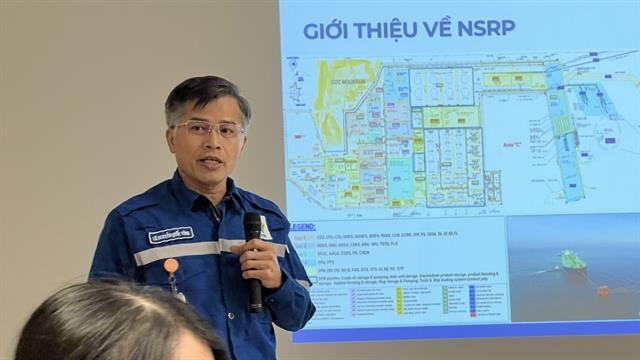
NSRP is broadening its crude supply base to reduce exposure to Middle East disruptions, while higher refining margins and increased capacity helped the refinery return to profit in 2026.
The S&P Global Vietnam Manufacturing Purchasing Managers'' Index (PMI) ped to 51.9 in September from August''s reading of 53.3, but despite the fall, overall business conditions have now strengthened in each of the past 15 months.
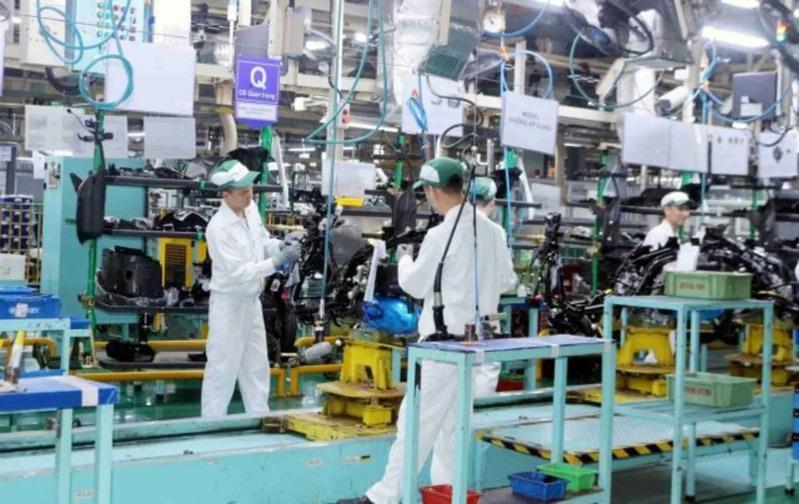
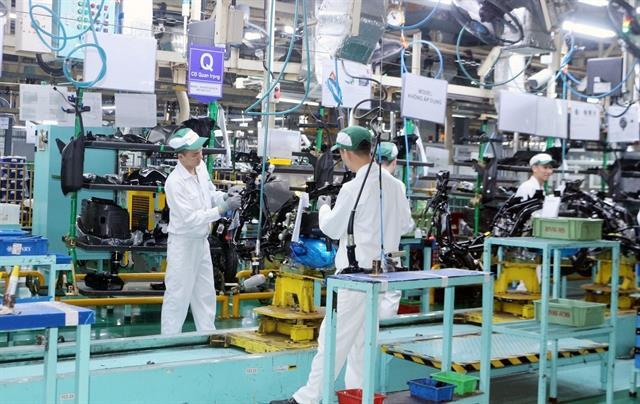
A strong industrial base should be measured not only by production and exports of finished products, but also by the ability to master materials, components, equipment, technology, design, standards and technical services that generate higher added value.
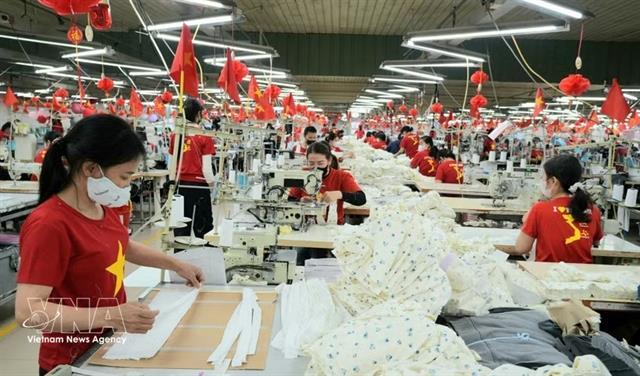
Experts said the US$48-billion target should also be viewed as an opportunity for Việt Nam''s garment and textile industry to improve productivity and increase value added for more sustainable competitiveness.
The Government is seeking stronger domestic supply chains as Việt Nam’s electronics and semiconductor exports grow rapidly, but imports continue to outpace exports.
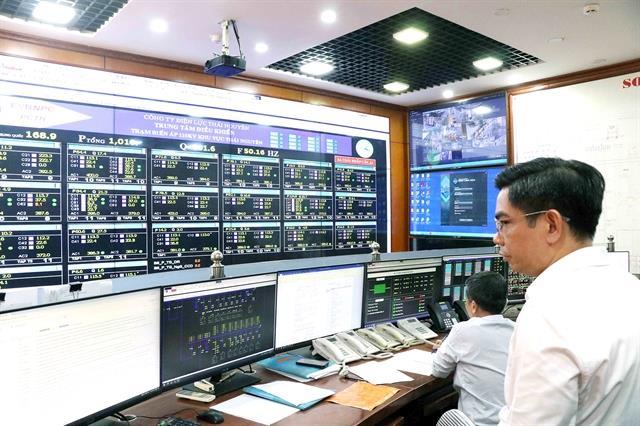
The National Power System and Market Operation Company (NSMO) forecasts that nationwide peak demand could approach 100,000-110,000 MW by 2030, almost double current levels.
By 2040, Việt Nam aims to develop greater capabilities in research, design and manufacturing while mastering technologies for ed high-quality products, including organic basic chemicals, specialised coatings and advanced batteries.
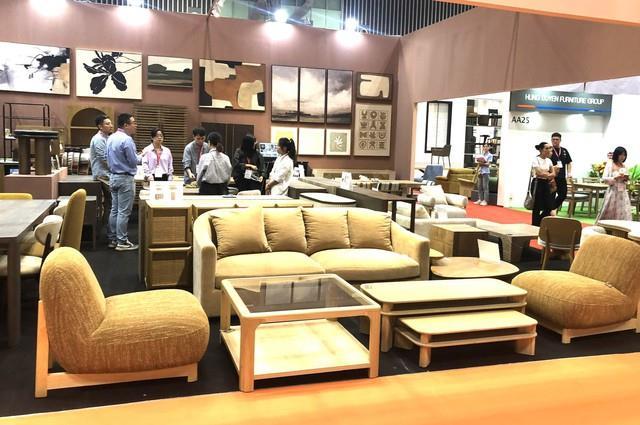
Việt Nam is optimistic about achieving around US$9 billion in exports in 2026, supported by higher production, growing investments in value-added processing, and the advantages from complying with the European Union Deforestation Regulation.
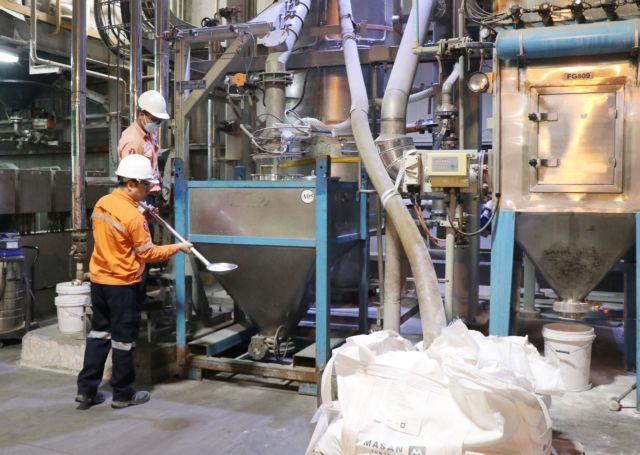
The materials industry forms the foundation of industrial development and is critical to strengthening strategic autonomy, national competitiveness and the ability to master core technologies.
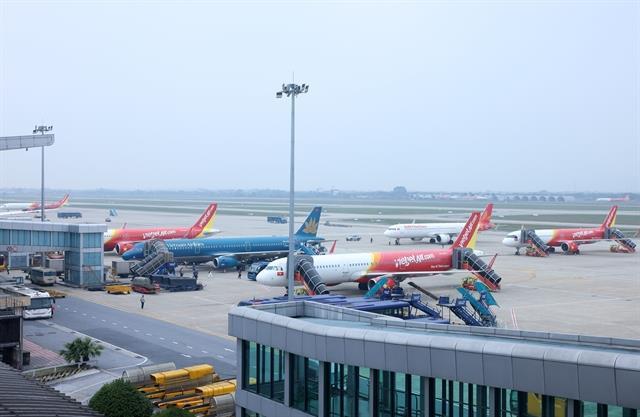
Việt Nam moved into second place with 7.3 million seats, up 10 per cent from a year earlier, the fastest growth rate among the Southeast Asian aviation markets analysed by OAG.
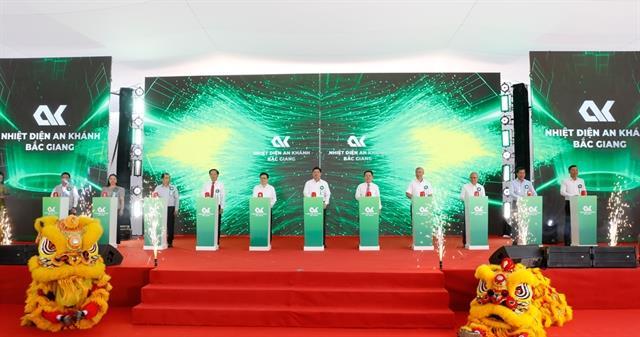
Once operational in June 2029, it is projected to supply an average of approximately 3.9 billion kWh of electricity annually to the northern and national power grids, helping to meet rising load demands and enhance power supply capacity.
Experts argued that stronger local demand could reduce the sector''s dependence on overseas markets and improve its resilience to global economic shocks