Energy independence becomes strategic priority for Vietnamese businesses
Achieving greater energy independence is becoming increasingly important for Vietnamese businesses as electrification, digital transformation and the global transition towards low-carbon development reshape manufacturing, supply chains and international trade.
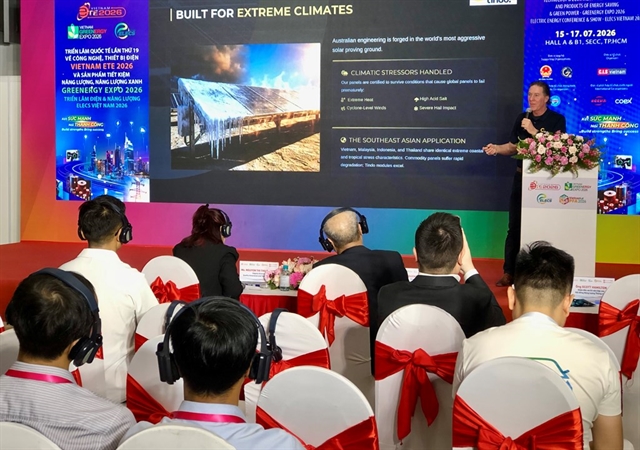
HCM CITY — Energy independence is becoming a strategic priority for Vietnamese businesses as electrification, digital transformation and the global shift towards low-carbon development reshape manufacturing, supply chains and international trade.
Experts said companies that early investment in smart energy management, energy storage and renewable energy integration would be better placed to reduce operating costs, meet increasingly stringent environmental standards and enhance their long-term competitiveness.
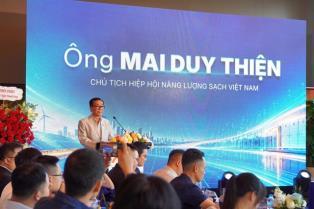
Speaking at the seminar" Energy Independence in the Electrification Era – Energy Storage and Smart Energy Management Solutions for Businesses", held in HCM City on Tuesday, Nguyễn Thị Thu Phương, deputy director of the Branch of the Quality Assurance and Testing Centre 3 (QUATEST 3), said Việt Nam's energy transition is no longer driven solely by climate commitments but has become an essential component of economic restructuring and industrial modernisation.
"Businesses that improve their energy governance and gradually achieve greater energy independence will be better equipped to reduce costs, optimise production and satisfy increasingly demanding environmental, social and governance (ESG) requirements," she said.
She noted that many multinational corporations are tightening sustainability standards throughout their supply chains, requiring suppliers to reduce greenhouse gas emissions, improve energy efficiency and increase the use of renewable electricity.
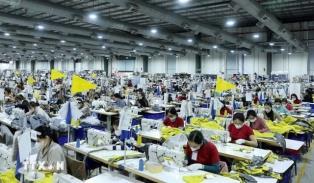
As a result, Vietnamese manufacturers that invest early in green technologies will gain greater opportunities to participate in global value chains and strengthen their export competitiveness.
Phương said energy independence should not be understood simply as generating electricity from rooftop solar systems or other renewable sources.
Instead, it requires enterprises to integrate renewable energy with battery energy storage systems, digital monitoring platforms and intelligent energy management technologies capable of balancing electricity supply and demand while improving system reliability.
She added that digital energy management allows manufacturers to monitor electricity consumption in real time, identify inefficiencies, reduce unnecessary energy losses and optimise production schedules, helping lower both operating costs and carbon emissions.
Nguyễn Quang Nam, dean of the Faculty of Electrical and Electronics Engineering at HCM City University of Technology, said Việt Nam's energy sector continues to face significant challenges despite rapid growth in electricity demand.
He cited risks including supply shortages during peak periods, ageing industrial technologies, fragmented energy management, insufficient operational data and limited investment in digital infrastructure.
Meanwhile, businesses are facing mounting external pressures as geopolitical uncertainties continue to affect global energy markets, while carbon pricing mechanisms and stricter environmental regulations are becoming increasingly common in international trade.
Against this backdrop, Nam said electrification and energy independence should be viewed not merely as environmental initiatives but as long-term business strategies that enhance resilience and competitiveness.
He proposed a three-stage roadmap for enterprises.
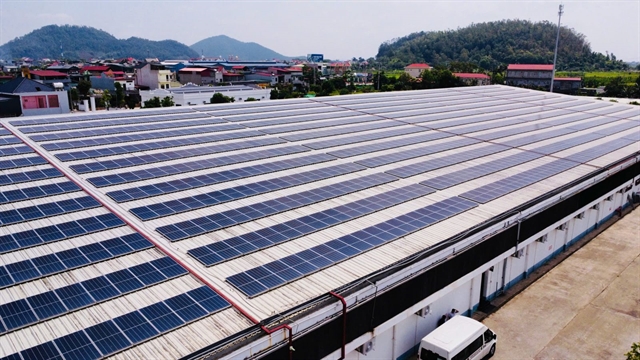
The first priority is digitalisation of energy management. Companies should establish detailed energy consumption databases, deploy intelligent metering systems and create comprehensive energy maps to identify areas where electricity is wasted and where efficiency improvements can generate immediate savings.
The second stage focuses on electrification by replacing fossil fuel-based equipment with electric technologies wherever technically and economically feasible.
In the long term, enterprises should aim for greater energy self-sufficiency through integrated systems combining renewable power generation, battery storage and smart energy management capable of responding flexibly to fluctuations in electricity demand.
Nam stressed that technological transformation alone would not be sufficient without supportive public policies.
He called on authorities to streamline licensing procedures for renewable energy projects and simplify administrative processes so businesses can implement clean energy solutions more quickly.
He also proposed allowing factories within the same industrial park to share and trade surplus rooftop solar electricity through internal distribution networks, arguing that such mechanisms would improve overall energy efficiency while encouraging greater private investment.
Financial institutions, meanwhile, should accelerate the development of green finance by establishing consistent environmental classification standards and expanding preferential lending programmes designed specifically for clean energy projects, whose investment payback periods often differ from conventional industrial investments.
Experts at the seminar also described energy transition as an increasingly important risk management strategy.
Greater energy independence can reduce businesses' exposure to volatile fossil fuel prices, improve supply chain resilience and help exporters prepare for carbon-related trade measures being introduced in major markets.
Beyond manufacturing, electrification is also expanding across Việt Nam's transport sector.
The development of electric metro systems, high-speed rail and other forms of electric mobility is expected to reduce dependence on fossil fuels while making more efficient use of domestically generated clean electricity.
Participants said these developments would contribute to reducing greenhouse gas emissions while supporting the country's broader objectives on energy security and sustainable development.
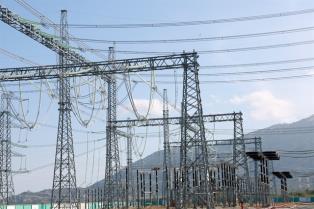
Business representatives attending the seminar agreed that the effective implementation of the revised National Power Development Plan VIII will play a decisive role in accelerating the country's energy transition.
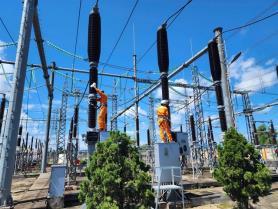
A stable and modern electricity system, combined with wider adoption of renewable energy, battery storage and digital energy management technologies, will provide enterprises with greater confidence to invest in long-term production while enhancing Việt Nam's competitiveness in an increasingly carbon-conscious global economy. — VNS