Australia has outstanding research capabilities, while Việt Nam has emerged as a pivotal node in the global semiconductor manufacturing chain, said an official from the Ministry of Science and Technology.
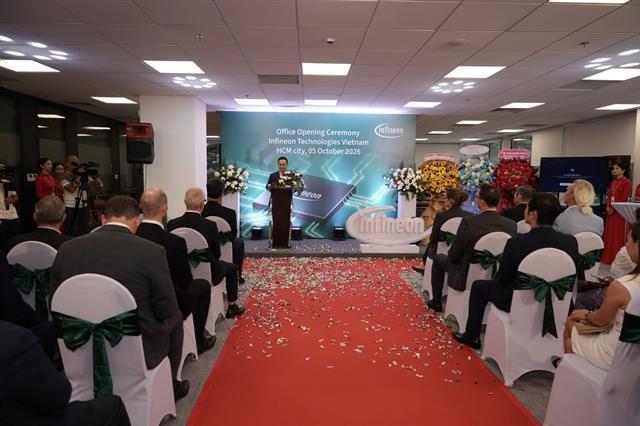
Infineon Technologies opens new office in HCM City, planning to further invest and support the country to become a leading semiconductor innovation hub in Southeast Asia.
Bắc Ninh has thus far attracted $2.74 billion worth of investment in 33 semiconductor projects, including six involving semiconductors and semiconductor materials and 27 producing equipment and components.
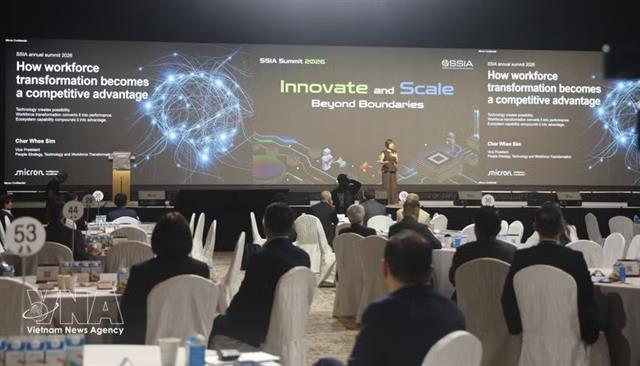
Bringing together more than 50 students and lecturers from Singapore, Việt Nam, India, Indonesia and Malaysia, along with representatives of semiconductor businesses worldwide, the event is an expansion activity of the SSIA Summit 2026 in Singapore.
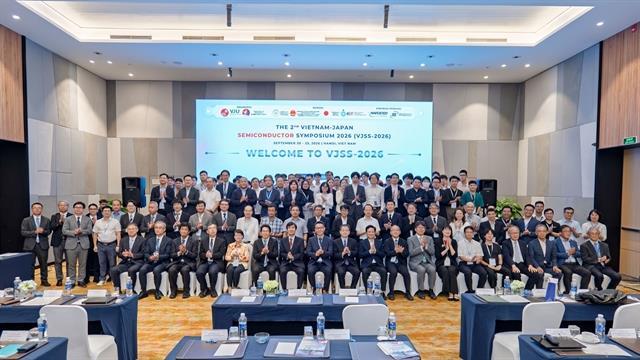
Japan has strengths in semiconductor materials, manufacturing equipment, precision engineering and quality control, while Việt Nam has a young workforce, a growing electronics manufacturing base and plans to expand training and research in semiconductors.
In the late 1970s and early 1980s, the Ministry of National Defence’s Z181 Factory produced Việt Nam’s first semiconductor components, diodes and transistors for domestic use and export to Eastern Europe. The industry has advanced remarkably since.
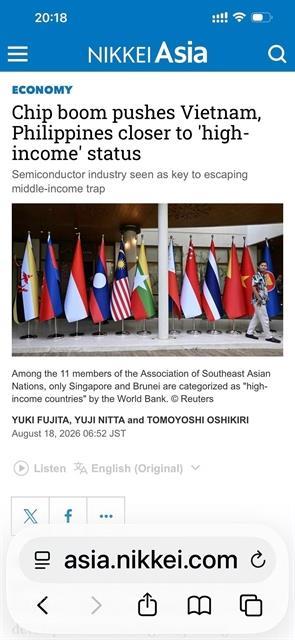
Việt Nam’s semiconductor industry offers the country an opportunity to shift from a growth model heavily reliant on low-cost labour and manufacturing toward more technology-intensive, higher value-added sectors, according to Nikkei Asia.
Through the issuance of a draft strategy for semiconductor industry development and its target of becoming a global OSAT hub by 2030, Việt Nam has identified semiconductors as a key national strategic industry.
Japan has emerged as one of Việt Nam''s key partners in semiconductor technology, talent development and industrial cooperation as the country accelerates the implementation of Resolution 57 on breakthroughs in science, technology, innovation and national digital transformation.
The Việt Nam-US semiconductor partnership is therefore not simply a “golden opportunity” arising from geopolitical shifts, but also a long-term test of Việt Nam’s institutional reform and implementation capacity. If domestic capacity cannot keep pace, adjusting targets toward quality and...
Circular No. 30/2025/TT-BKHCN clearly stipulates the conditions and technical standards applicable to used equipment imported into Việt Nam, with the aim of ensuring safety, energy efficiency, environmental protection, and alignment with the sustainable development orientation of the domestic semiconductor industry.
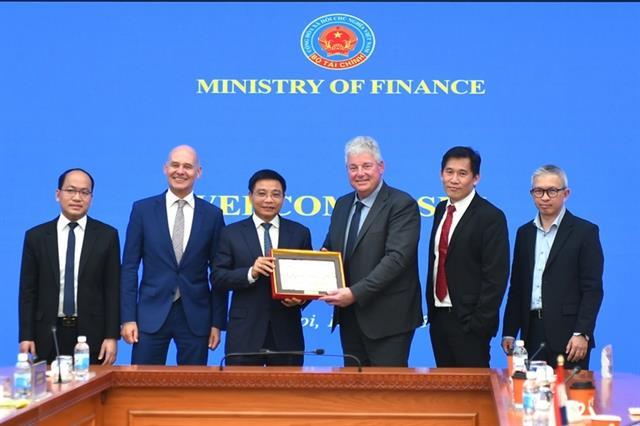
Việt Nam is stepping up efforts to develop its semiconductor industry through cooperation with ASML, the world’s leading semiconductor equipment manufacturer from the Netherlands, according to the Ministry of Finance (MoF).
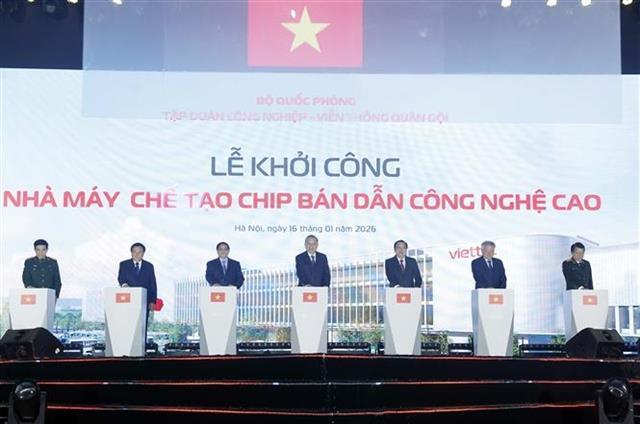
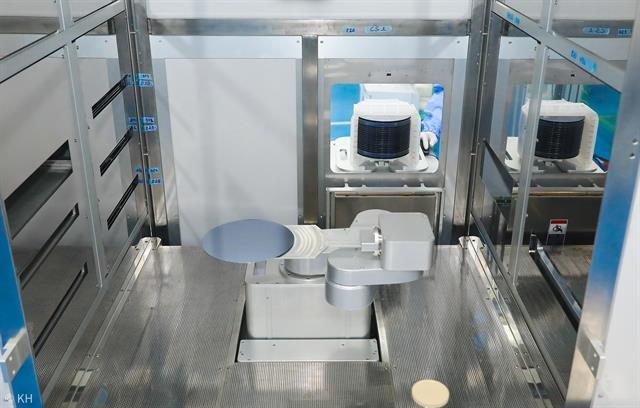
Located in Hòa Lạc High-Tech Park on a 27-hectare site, the plant will serve as national infrastructure for semiconductor research, design, testing and production.
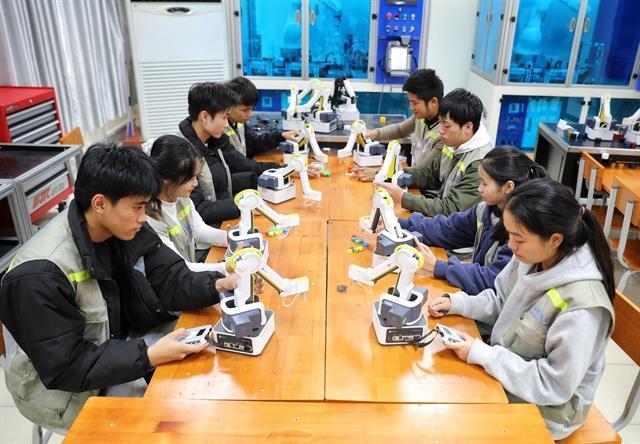
The centre will organise intensive, practice-oriented training courses and assist universities in chip design activities, with a view to developing a highly skilled engineering workforce for this essential industry.
The establishment of the centre not only strengthens Việt Nam’s technological self-reliance, but also reinforces its position as a promising destination in the global semiconductor value chain.
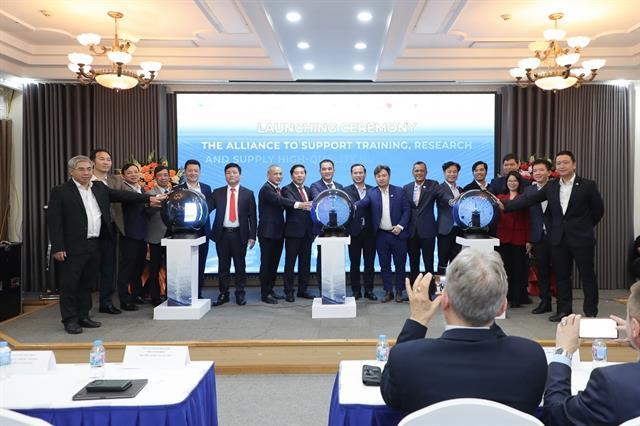
Members of a new Semiconductor Alliance will collaborate to share laboratories, strengthen training programmes, promote technology transfer and advise the Government on policies to support the semiconductor ecosystem.