Durian export boom puts spotlight on growing area code reforms
A widening corruption investigation has exposed weaknesses in Việt Nam's growing area code system, prompting tighter oversight as the country seeks to safeguard its billion-dollar durian exports.
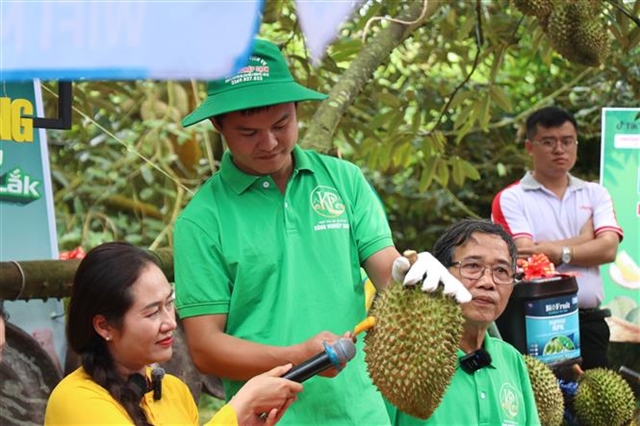
HÀ NỘI — Việt Nam's booming durian exports have highlighted the importance of a transparent and credible growing area code system, as authorities tighten oversight following a corruption investigation into the issuance of export certifications.
The Ministry of Public Security has expanded an investigation into alleged bribery and other offences linked to the issuance of growing area codes, packing house codes and laboratory testing certificates for durian exports to China.
The investigation includes allegations that officials, including a senior officer at the Ministry of Agriculture and Environment, abused their positions to introduce unlawful 'sub-licences' serving vested interests, enabling them to obtain illicit gains amounting to an exceptionally large sum.
The heightened scrutiny comes as the country's fruit and vegetable exports are regaining momentum.
Export turnover reached an estimated US$4.7 billion in the first seven months of 2026, up 23 per cent year-on-year, while July marked the first month in which exports exceeded $1 billion. Durian remains the sector's largest export earner, contributing more than half of total fruit and vegetable exports.
For durian exports to China, a growing area code, together with a registered packing facility and laboratory certificates, is essential for product traceability and market access. As China tightens import controls, violations can result in the suspension of growing area codes or laboratory approvals, stricter inspections and disruptions to exports.
Industry groups have raised concerns about abuses in the certification system for years.
The Vietnam Fruit and Vegetables Association (Vinafruit) has warned that some operators forged authorisation documents and company seals to fraudulently obtain the right to use growing area and packing facility codes issued to other businesses. Such practices weaken traceability and expose compliant producers to unnecessary commercial risks.
Testing has also remained a major bottleneck.
Temporary suspensions of laboratories authorised to test durian for cadmium and Auramine O residues have repeatedly delayed exports, leaving hundreds of containers waiting for inspection during peak harvest periods.
Earlier this year, the Ministry of Agriculture and Environment instructed testing facilities to maximise staffing, extend operating hours where necessary and improve transparency in testing procedures to reduce delays and prevent misconduct.
The Government has already identified fraudulent use of growing area codes as a significant threat to the sustainability of the durian industry.
Last year, the Prime Minister ordered authorities to investigate the illegal trading of growing area and packing facility codes, forged export documents and other violations that could damage the reputation of Vietnamese agricultural products.
The latest investigation has also prompted broader administrative action. The Government Inspectorate has launched a 60-day inspection into the issuance and management of growing area and packing facility codes in Đồng Tháp, Lâm Đồng and Đắk Lắk – three of Việt Nam's largest durian-producing provinces.
The inspection will review certification procedures covering the period from March 2023 to June 2026 in an effort to identify shortcomings in the management system.
Local authorities have also begun reviewing existing certifications.
On July 28, Lâm Đồng authorities revoked seven durian growing area codes and five packing facility codes granted to two companies based in neighbouring Đắk Lắk Province.
Provincial authorities said the companies had suspended purchasing operations, ended their production links with growers and requested the cancellation of the registrations to minimise potential legal risks.
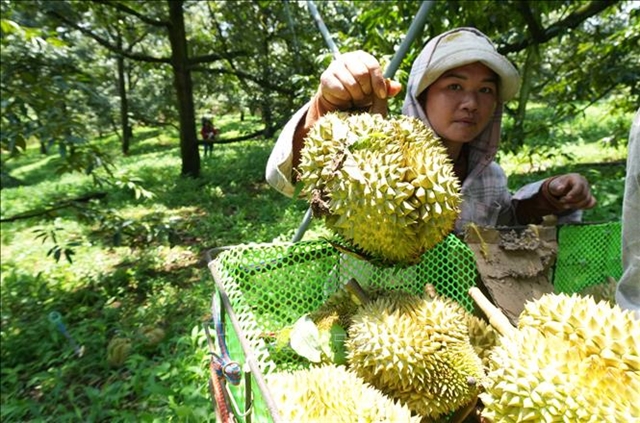
Industry representatives say strengthening governance is now just as important as expanding production.
According to Nguyễn Văn Mười, deputy secretary-general of Vinafruit, improving product quality needs to go hand in hand with building a transparent and reliable growing area code system.
Lê Anh Trung, chairman of the Đắk Lắk Durian Association, has called for faster digitalisation of growing area management and traceability, noting that the number of certified growing areas remains limited despite strong export demand.
Experts say digitalising growing area records, linking them with traceability databases and strengthening independent oversight of testing and certification would reduce opportunities for fraud while helping protect businesses that comply with regulations.
As international markets continue to tighten food safety and traceability requirements, the credibility of Việt Nam's growing area code system will increasingly determine the long-term competitiveness of its billion-dollar durian industry. — VNS