Vietnamese firms urged to manage risks as Middle East tensions rise
The geopolitical situation is creating three major layers of risk for Vietnamese firms: energy price volatility, logistics disruptions and exchange rate fluctuations.
Compiled by Thu Trà
HÀ NỘI — Rising tensions in the Middle East are creating growing challenges for Vietnamese import-export businesses, prompting firms to tighten risk management strategies to safeguard supply chains and remain competitive.
Industry representatives say the geopolitical situation is creating three major layers of risk for Vietnamese companies: energy price volatility, logistics disruptions and exchange rate fluctuations.
Lê Hằng, deputy secretary general of the Vietnam Association of Seafood Exporters and Producers, said the seafood industry, which depends heavily on sea freight and cold-chain logistics, is particularly vulnerable to rising transportation costs.
“When conflicts occur, shipping companies often raise freight rates or divert routes, sometimes via Africa, which can extend transit times by five to seven days,” Hằng said, adding that this increases costs for businesses and reduces the competitiveness of Vietnamese seafood products.
She urged companies to closely monitor market developments and regularly update information from the association and relevant government agencies to quickly adjust their strategies when shipping rates or trade conditions change.
Maintaining stable supplies of raw materials is also critical to ensuring companies can meet international demand, particularly when exploring new export markets, she said.
Trương Xuân Trung, head of the Vietnamese Trade Office in the United Arab Emirates, said the conflict is affecting supply chains and trade flows across the region.
Several sectors, including aviation, tourism and logistics, have been disrupted due to restrictions on airport operations and transport routes, while blockades in key shipping lanes are making cargo transportation more difficult, he said.
Energy markets in the region have also shown volatility. Following the escalation of tensions, the United Arab Emirates reduced oil output by between 500,000 and 800,000 barrels per day, while some oil and gas exploration and processing facilities temporarily halted operations.
“These developments could push up global logistics and transportation costs, increasing production expenses and weakening the competitiveness of export goods,” Trung said.
He warned that Vietnamese businesses should pay close attention to risks, including shipping disruptions, longer delivery times, potential spoilage of perishable goods and payment risks amid market volatility.
Shipping risks
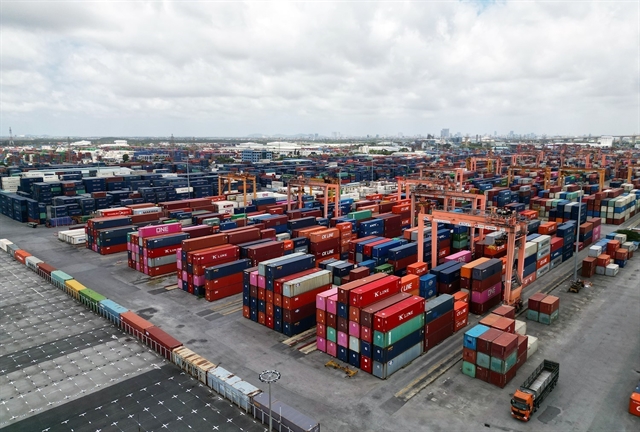
Ngô Khắc Lễ, deputy secretary general of the Vietnam Logistics Business Association, said companies should also prepare for the possibility that shipping lines may terminate voyages under force majeure clauses.
Such end of voyage provisions, commonly included in bills of lading issued by major shipping companies, allow carriers to halt a journey and unload cargo at an unscheduled port in cases of war, danger or other emergencies.
International courts and arbitration tribunals often recognise this right if the shipping line can prove that continuing the voyage would be unsafe or unfeasible, Lễ said.
However, he noted that the right cannot be abused and cargo owners may still claim compensation if the decision to unload cargo is deemed unreasonable.
In practice, the termination of a shipment can create ripple effects across global logistics networks, leading to port congestion, vessel shortages, container shortages and delays along major trade routes.
Lễ noted that when businesses receive notification that goods have been unloaded at an unscheduled port, they should immediately review contract terms and evaluate possible responses.
Companies should first examine their sales contracts and applicable International Commercial Terms (Incoterms) to determine which party bears the additional risks and costs associated with the diversion, he added.
Depending on the circumstances, businesses may arrange onward transport to the original destination or another suitable port, redirect goods to new buyers, process the cargo using alternative logistics methods, store the goods temporarily, or return the shipment to the export port.
If handling costs exceed the value of the goods, companies may even consider abandoning the shipment, Lễ said.
Unexpected unloading at alternative ports can rapidly increase costs, including container demurrage, container storage and port yard fees. Early negotiations with shipping lines or freight forwarders can help limit these additional expenses, he added.
Businesses should also review cargo insurance policies to determine whether such incidents are covered and ensure that insurance validity periods remain in force.
Lễ also advised companies to maintain close coordination with shipping lines, trading partners and banks, especially when shipments are financed through letters of credit.
In all cases, businesses should retain all relevant documentation, including bills of lading, carrier notifications, emails between parties, warehouse receipts, contracts and photos of the cargo. These documents are essential in case of disputes or insurance claims, he added.
Mitigating future risks
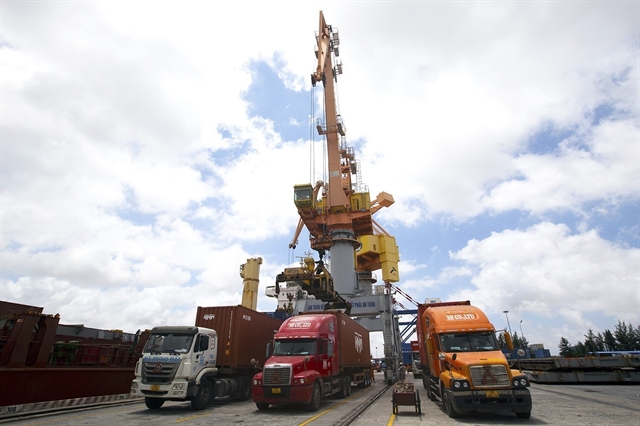
According to Lễ, companies should also develop long-term strategies to mitigate potential disruptions as geopolitical tensions increasingly affect global supply chains.
Businesses should reassess shipping contracts and bills of lading, particularly clauses relating to war risks or route deviations. When negotiating sales agreements, companies should also consider adding provisions to address situations in which vessels change routes or unload cargo unexpectedly.
Strengthening insurance coverage across the logistics chain is another key step, including expanding policies to cover risks linked to geopolitical instability.
Companies are also encouraged to diversify shipping routes and transshipment ports to avoid reliance on a single route or carrier. Seeking new customers and markets can help reduce exposure if a transport route or export destination is disrupted.
Developing contingency logistics plans is equally important. Businesses should identify alternative transshipment ports in advance, diversify transport modes such as multimodal shipping, and establish relationships with bonded warehouses or logistics partners in major transit hubs.
In a context where global supply chains are increasingly affected by geopolitical tensions and maritime security risks, understanding international transport rules, trade terms and insurance conditions, and preparing response plans in advance, will help businesses minimise losses and maintain stable operations, Lễ said. — VNS