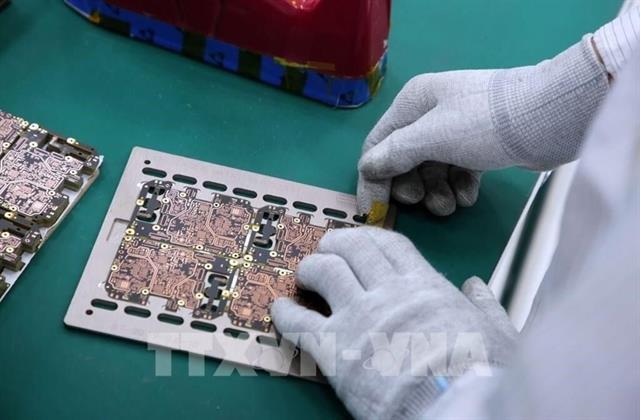
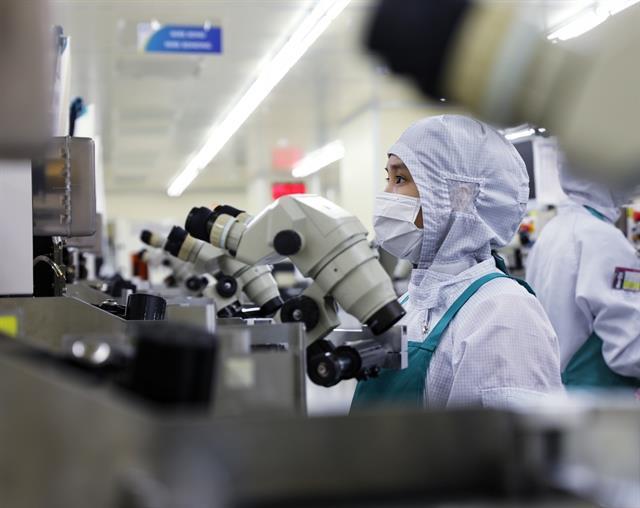
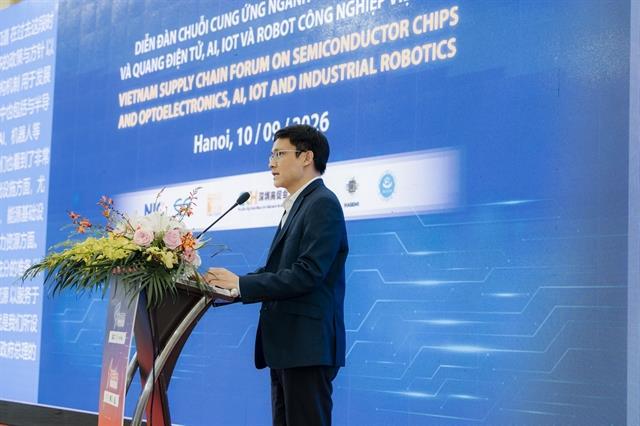


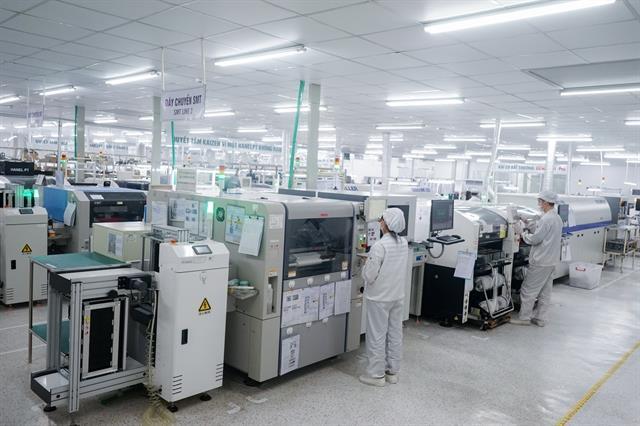
The Government is seeking stronger domestic supply chains as Việt Nam’s electronics and semiconductor exports grow rapidly, but imports continue to outpace exports.
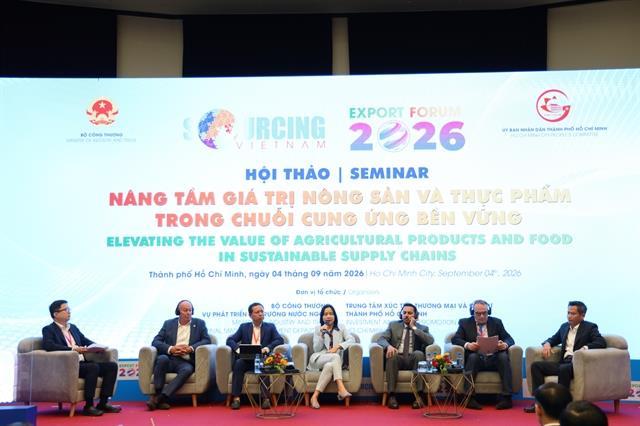
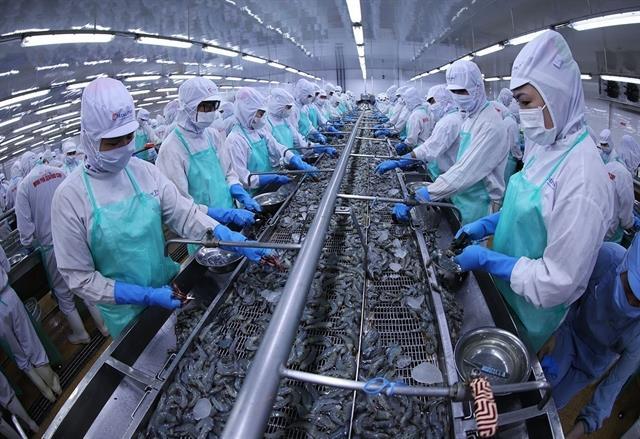
Vietnamese businesses need to move agricultural and food exports up the value chain, shifting from raw products and volume-driven growth towards higher-value, processed and branded goods as global standards on quality, traceability and sustainability become increasingly stringent, according to officials...
Việt Nam should develop a strong domestic business force capable of absorbing technology, standards, management practices and market access from major corporations.
The tariff decision should be seen as a prompt for Vietnamese businesses to reposition their competitiveness, strengthen their supply chains and move higher up global value chains.
Products classified as high-risk will be required to have traceability information registered and verified before being put into circulation on the market from July 1, according to new circular issued by the Ministry of Industry and Trade on June 11.
Businesses that have fully integrated ISO and ESG systems account for just 10-15 per cent of the total, and are mainly foreign-invested firms, large exporters and state-owned enterprises.
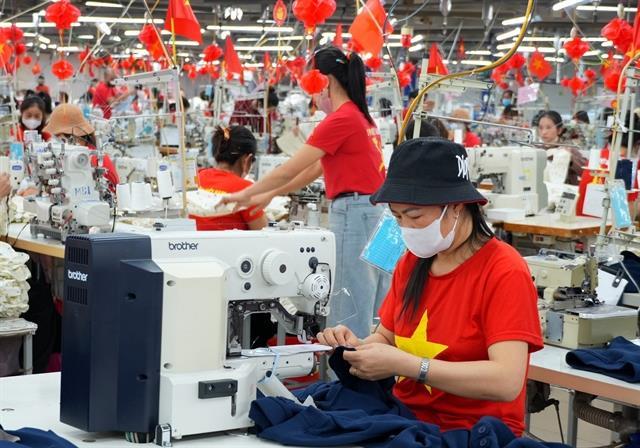
Although Việt Nam has become an attractive destination for global foreign direct investment (FDI), most Vietnamese businesses have remained outside global supply chains or only take part in the lowest value-added stages.
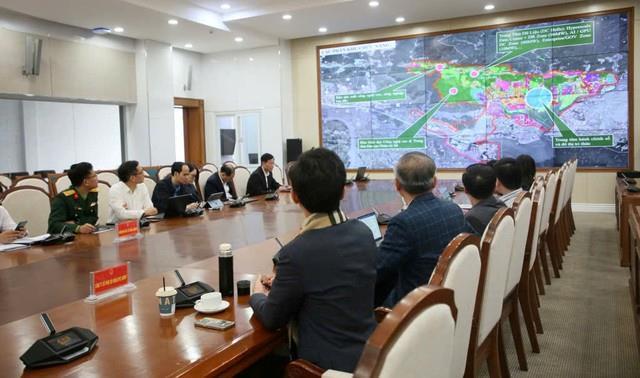
Once operational, the zone is expected to contribute 8-12 per cent of the province’s gross regional domestic product and between 150,000 and 250,000 high-quality jobs.
Delegates are discussing ways to promote sustainable livestock development as demand rises for safe and nutritious animal-based foods, while the sector faces mounting challenges from climate change, disease outbreaks, environmental degradation and stricter consumer expectations.
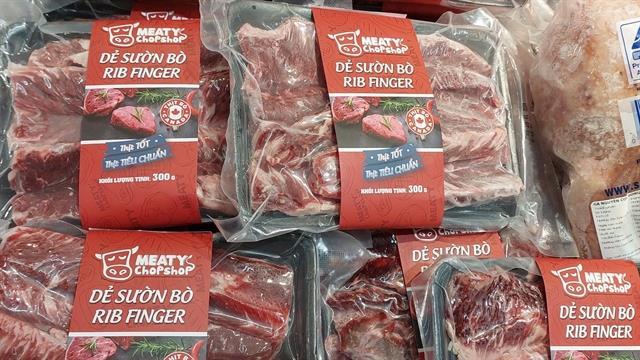
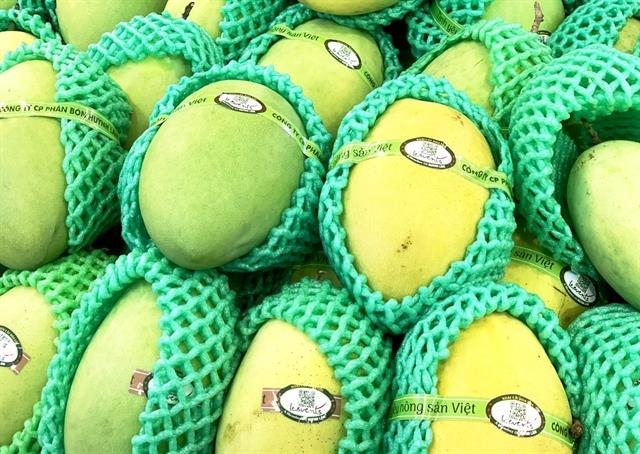
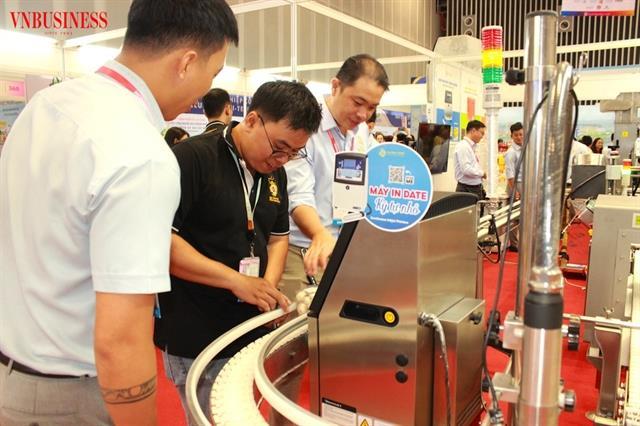
At supermarkets, convenience stores and traditional markets, scanning QR codes to check product origin and supply-chain information is becoming more common.
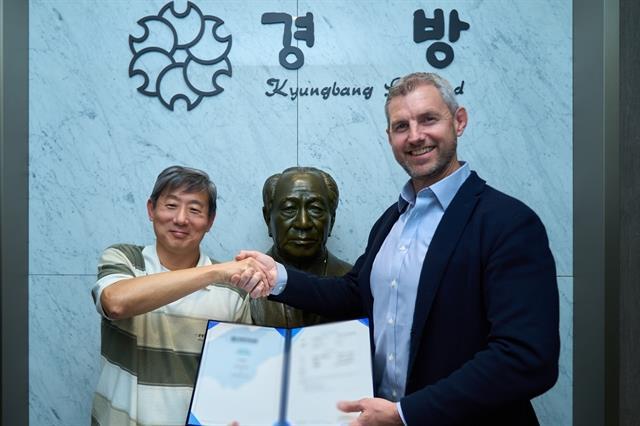
The establishment of the centre not only strengthens Việt Nam’s technological self-reliance, but also reinforces its position as a promising destination in the global semiconductor value chain.
Việt Nam has experienced steady growth in GSC-related employment since 2008 and hosted the largest number of GSC-related jobs in South-East Asia in 2023, according to ILO.
By the end of 2024, Việt Nam had 8,274 markets, 276 shopping malls and 1,293 supermarkets. However, most first- and second-class markets were concentrated in urban centres, while third-class markets dominated rural and mountainous areas. Disparities in infrastructure, management and...