Firms urged to integrate ISO and ESG to improve competitiveness
Businesses that have fully integrated ISO and ESG systems account for just 10-15 per cent of the total, and are mainly foreign-invested firms, large exporters and state-owned enterprises.
HÀ NỘI — Integrating environmental, social and governance (ESG) practices into existing ISO management systems could become a key competitive advantage for businesses seeking access to green finance and global supply chains, experts told a conference in Hà Nội.
Trịnh Bá Dương, strategy director of BAH Group and Global Director of AseanHub, said despite rising awareness of ESG, implementation remains limited.
He cited findings of a 2025 survey by PwC that between 80 and 90 per cent of Vietnamese enterprises are familiar with ESG principles, but only about half are prepared to adopt them.
Businesses that have fully integrated ISO and ESG systems account for just 10-15 per cent of the total and are mainly foreign-invested firms, large exporters and state-owned enterprises.
Integrated ISO-ESG systems are becoming strategic assets for businesses, helping them comply with regulations, access green investment capital, improve valuations in M&A transactions and strengthen trust among global partners.
"ISO helps standardise operations, while ESG helps identify hidden risks," said Dương, stressing that integrating the two is the shortest path for Vietnamese enterprises to achieve net-zero goals and sustainable long-term growth.
Nguyễn Công Thành, an expert from GIC Vietnam, said ESG is closely linked to international management standards, with at least 17 ISO standards directly supporting sustainability goals.
If 20 years ago ISO was viewed mainly as a badge of recognition, today it is a management tool that helps businesses improve profitability and strengthen brand value, Thành said.
Businesses, however, continue to face significant barriers, including shortages of sustainability specialists, limited awareness among company leaders and concerns about implementation costs, Hoàng Văn Cường from the Institute for Development and Enterprise Studies (InDE) said.
Vũ Đông, an M&A specialist at LLEAD Capital, said many companies are overwhelmed by the growing number of sustainability standards and reporting requirements.
The priority should not be building an entirely new system, but embedding ESG into existing ISO processes, Đông said, adding that ESG is essentially a risk-management tool that helps businesses assess their health and strengthen resilience against market volatility.
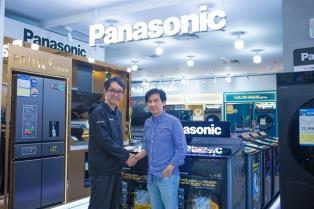
At the event on May 31, BAH Group signed an agreement with the Korea Compliance Institute (KCI) to develop an integrated ISO-ESG ecosystem that will support businesses in assessing current practices, building governance systems, training staff and connecting with international sources of green finance. — VNS