





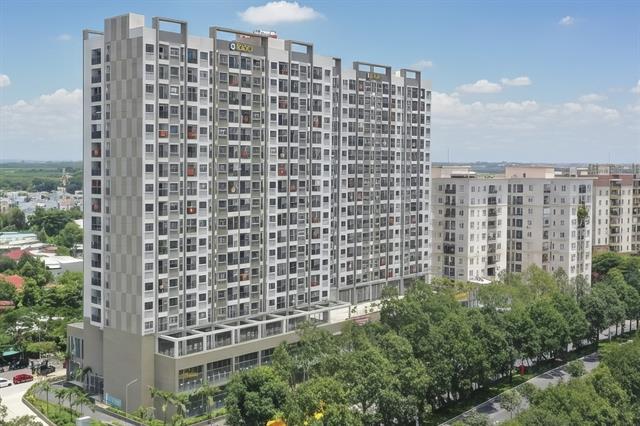

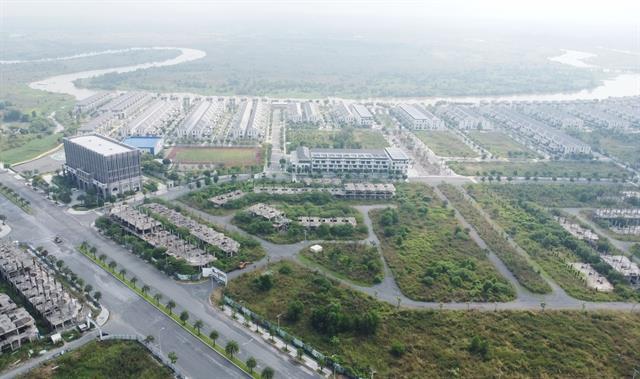
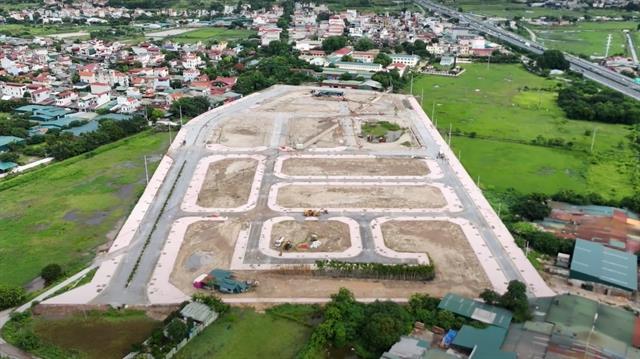


Under the proposal, the 0.2 per cent rate would apply to the entire area of land classified as abandoned, unused or put into use late, with no preferential threshold for land within prescribed limits.
The three draft laws would simplify land-use planning, overhaul land valuation mechanisms, introduce nationwide digital identification for land parcels and strengthen safeguards for property transactions.
After five years of implementation, the existing plan had produced positive results — but new requirements, including the country''s goal of sustaining double-digit economic growth starting this year, made s necessary.
Just over a year ago, land auctions across several provinces drew thousands of applications as investors competed aggressively, driving winning bids to two or three times the starting prices in some cases.
A key proposal is to introduce a mechanism to regulate windfall gains from differences in land values, while imposing high taxes on vacant land and property transactions conducted within a short period.
This is one of the administrative procedure reform solutions being implemented under the capital city''s 100-day intensive digital transformation campaign, running from July through October 2026.
Legislative reform should be driven by practical needs, place citizens and businesses at the centre of policymaking, and ensure land resources are allocated and used efficiently, transparently and effectively to support Việt Nam''s long-term development goals.
Among the country''s core data assets, land information is considered particularly important because of its links to urban planning, investment, credit markets, real estate transactions and public asset management.
The 2024 Land Law has abolished the long-standing land price framework and requires local authorities to issue annual land price tables that more closely reflect market values.