Taxes proposed on vacant land, speculative deals
A key proposal is to introduce a mechanism to regulate windfall gains from differences in land values, while imposing high taxes on vacant land and property transactions conducted within a short period.
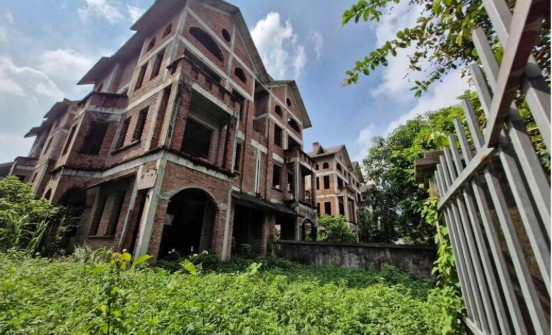
HÀ NỘI — The Ministry of Agriculture and Environment has proposed imposing a high level of taxes on vacant land and short-term property transactions as part of efforts to curb speculation, improve land-use efficiency and stabilise the real estate market.
The proposal is part of the implementation of the Land Law 2024, which found that the domestic property market still faces risks including speculation, land-price fever and property prices rising beyond their actual value.
These problems not only affect the macroeconomy but also impact the development and implementation of land policies, according to the ministry.
Alongside improving market-based land valuation, stronger regulatory tools are needed to control speculation.
A key proposal is to introduce a mechanism to regulate windfall gains from differences in land values, while imposing high taxes on vacant land and property transactions conducted within a short period.
The measures are intended to promote more efficient land use, prevent waste, improve the health of the property market and curb speculation.
However, these mechanisms have not been regulated in the current legal system.
To ensure feasibility, the ministry has suggested studying amendments to the Law on Tax Administration and relevant tax laws to clarify the tax base, applicable taxpayers and mechanisms for sharing data between tax authorities and land management agencies.
Besides the Land Law, other laws are also being revised, including the Law on Housing and the Law on Real Estate Market.
In the draft amendments to the Law on Real Estate Business, the Ministry of Construction has identified taxation as one of the key tools for the Government to regulate the property market.
The Government at a recent meeting agreed on the need to develop specific mechanisms and sanctions to control and prevent speculation and market manipulation.
Experts said taxation was widely used in many countries as a tool to regulate property markets, but stressed that any policy should target speculators rather than place an additional burden on people buying homes for their own use.
Experts said taxation was widely used in many countries as a tool to regulate property markets, but stressed that any policy should target speculators rather than place an additional burden on people buying homes for their own use.
Taxing land left vacant for years, short-term speculative transactions or cases where owners hold multiple properties without putting them into use could help reduce speculation and encourage more properties to be brought into use, which would help stabilise prices.
Nguyễn Anh Quê, from the Vietnam Real Estate Association, told Tiền Phong (Vanguard) newspaper previously that the timing and level of property taxation needed to be carefully considered.
A roadmap is needed to allow society to accumulate resources before taxation measures are introduced and enable land policies to be implemented in a stable and sustainable manner, according to Quê.
Taxes could initially be imposed at low rates and gradually increased to prevent disruptions to the property market.
Trần Xuân Lượng, deputy director of the Vietnam Association of Realtors' Institute for Real Estate Market Evaluation, said the Government should study ways to ensure that taxes target the right groups.
It was critical to build a standardised property database to ensure accurate taxation, he said, adding that a phased approach to property taxation was needed to protect the interests of the majority of people. — VNS