Việt Nam’s rice exports to Senegal surge nearly 30-fold
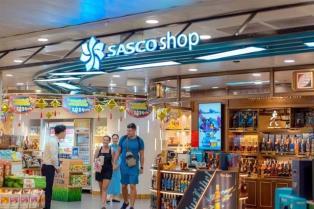
Vietnamese fragrant rice, including 100 per cent broken rice, is widely available in Senegalese supermarkets in 5kg and 25kg packs, retailing at around US$1.3 per kg.
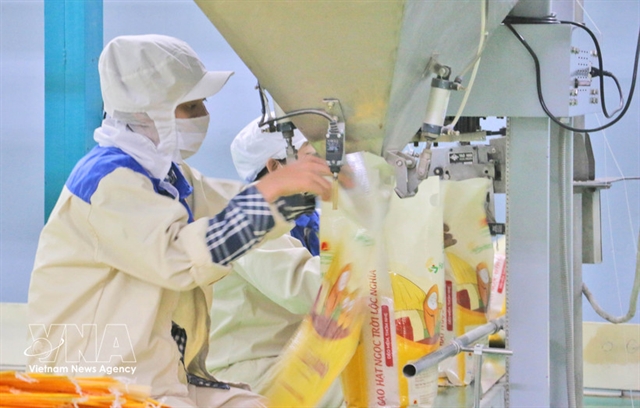
HÀ NỘI — Việt Nam’s rice exports to Senegal recorded a sharp surge last year, reaching 168,020 tonnes worth US$52.57 million, nearly 30 times higher than in 2024.
Data from the Vietnamese Department of Customs show that Vietnamese fragrant rice, including 100 per cent broken rice, is widely available in Senegalese supermarkets in 5kg and 25kg packs, retailing at around $1.3 per kg.
During National Assembly Chairman Trần Thanh Mẫn’s official visit to Senegal in July 2025, the two countries signed a memorandum of understanding (MoU) on the rice trade. The agreement targets annual exports of approximately 100,000 tonnes of Vietnamese rice to Senegal, aiming to enhance the African nation’s food security while helping Việt Nam expand market access in Africa and diversify export destinations. The implementation of the MoU is currently underway, supporting the recent surge in export value.
According to the Việt Nam Trade Office in Algeria, which also covers Senegal, the West African country is a major global rice importer, purchasing roughly one million tonnes each year, primarily low-cost 100 per cent broken rice. Senegal also records one of the region’s highest per-capita rice consumption levels, estimated at 117 kilogrammes annually.
The US Department of Agriculture forecasts Senegalese rice consumption at approximately 2.26 million tonnes in the 2025–2026 marketing year, up 2 per cent year-on-year due to population growth. Imports are projected to reach 1.5 million tonnes in 2026, meeting around 70 per cent of domestic demand. Key suppliers include India, Thailand, China, Pakistan, Uruguay and Việt Nam. In addition to domestic consumption for its population of more than 19.3 million, Senegal imports rice for re-export to neighbouring markets such as Mauritania, Guinea-Bissau and Gambia.
Senegal is simultaneously advancing its second National Rice Development Strategy (NRDS 2), which aims to raise paddy output to 3 million tonnes by 2030 to improve self-sufficiency. Domestic milled rice production in the 2025–2026 season is expected to reach about 645,000 tonnes cultivated across 245,000 hectares, supported by government investment in mechanisation, irrigation systems and certified seed distribution.
Since January 6, 2026, the Senegalese Government has imposed a retail price cap of 300 CFA francs per kg on imported broken rice, about 14 per cent lower than the previous ceiling of 350 CFA francs/kg, to curb living costs amid volatile global prices. However, the measure may squeeze profit margins for importers and distributors as international prices continue to rise.
Rice imports into Senegal are subject to multiple levies, including a 10 per cent import duty on white rice, an 18 per cent value-added tax, a 1 per cent statistical fee and a 0.8 per cent community solidarity tax, though authorities frequently adjust fiscal policies to maintain domestic price stability. — VNA/VNS