Việt Nam’s pomelos and lemons gain official export access to China
Fresh pomelos and lemons from Việt Nam will now be officially exported to China following the signing of new phytosanitary protocols between the two countries, marking a significant step forward in expanding official export channels for Vietnamese fruit.
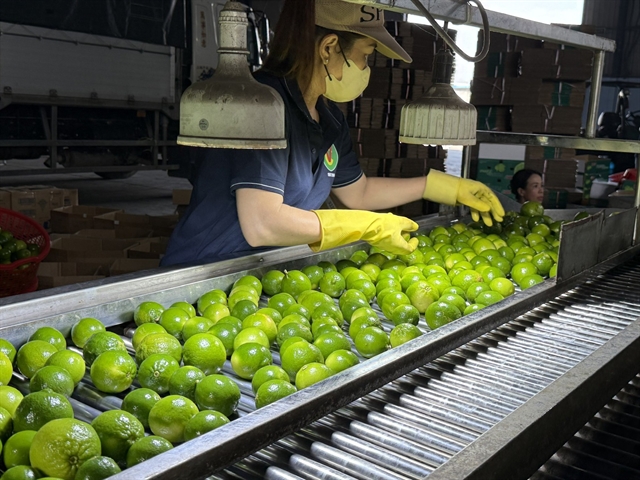
HCM CITY — Fresh pomelos and lemons from Việt Nam will now be officially exported to China following the signing of new phytosanitary protocols between the two countries, marking a significant step forward in expanding formal export channels for Vietnamese fruit and opening fresh opportunities for growers and exporters.
The Ministry of Agriculture and Environment, on May 14, held a conference in HCM City to announce the protocols on phytosanitary requirements for fresh pomelos and fresh lemons exported from Việt Nam to China.
The event aimed to disseminate technical regulations under the protocols, guide the development of growing areas and packing facilities that meet import requirements, strengthen pest control measures and ensure proper record-keeping and traceability in line with Chinese regulations.
Under the protocols, all growing areas and packing facilities exporting pomelos and lemons to China must be registered with the Ministry of Agriculture and Environment through the Department of Crop Production and Plant Protection and approved by China’s General Administration of Customs (GACC) before shipments can be exported.
Growing areas are also required to apply Good Agricultural Practices (GAP) or equivalent standards, implement integrated pest management (IPM) and monitor pests of concern identified by the Chinese side.
According to the Department of Crop Production and Plant Protection, pomelos and lemons are among Việt Nam’s fruit products with strong competitive advantages.
Việt Nam currently has around 106,000 hectares of pomelo cultivation, producing more than one million tonnes annually and placing the country among the world’s major pomelo producers. Speciality varieties such as Da Xanh pomelo and Năm Roi pomelo have already gained recognition in international markets.
Meanwhile, the country has more than 44,000 hectares of lemon cultivation, with annual output reaching nearly 700,000 tonnes, mainly concentrated in the Mekong Delta and southeastern regions.
Deputy Minister of Agriculture and Environment Hoàng Trung said the signing of the protocols was the result of years of technical negotiations between the relevant authorities of the two countries.
He described the agreement as an important milestone in expanding official export markets for Vietnamese fruit while also reflecting the efforts of regulators, businesses and farmers to improve product quality and meet import market standards.
However, the ministry noted that the signing of the protocols is only the first step towards building a sustainable export market. Growing areas must strictly comply with GAP production standards, integrated pest management requirements, pest monitoring procedures, production diary records and traceability regulations.
China remains one of the world’s largest fruit import markets. Vietnamese pomelos in particular hold strong advantages thanks to their year-round harvest season and long preservation time, making them suitable for both road and sea transportation and leaving ample room for further growth in official exports. — BIZHUB/VNS