





As Việt Nam enters a new stage of development, sustained private-sector growth will require not only supportive policies but also a stable and transparent environment that ensures fair competition, Chinese Professor Tao Yitao said.
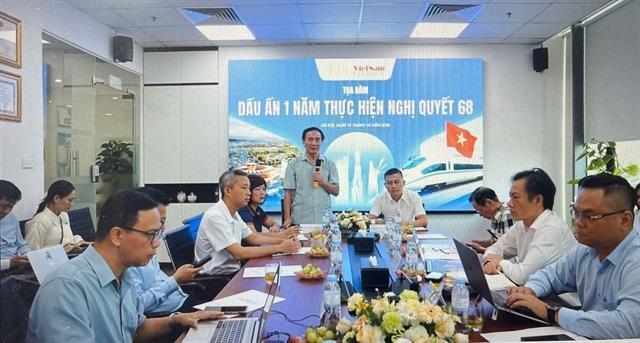
Việt Nam has recorded stronger business confidence, a sharp rise in enterprise formation and growing contributions from the private sector one year after the launch of Resolution 68-NQ/TW.
Leaders from various agencies and the business community also proposed expanding mechanisms that would allow private enterprises to participate in strategic infrastructure and technology projects, thus promoting innovation and enhancing national competitiveness.
One year after Politburo’s Resolution 68-NQ/TW on the development of the private economy was issued, the private sector has seen many positive signs from policy and investment flows.
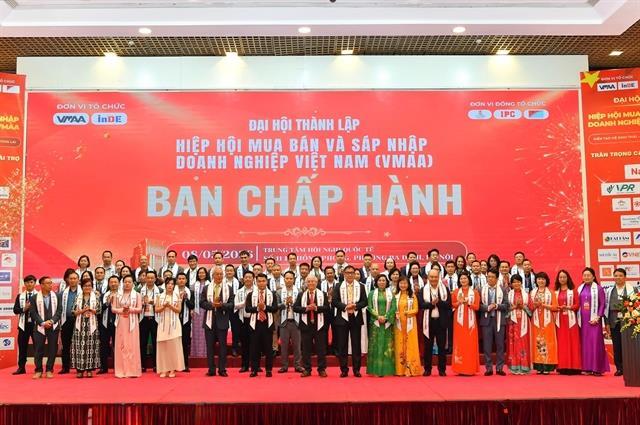
The newly launched Vietnam Mergers & Acquisitions Association is expected to help connect businesses, investors as demand for corporate restructuring and strategic capital rises in Việt Nam.
Prime Minister Lê Minh Hưng once stressed that cutting administrative procedures and business conditions remained one of the fastest and most effective ways to stimulate growth and strengthen confidence among citizens and enterprises. He underscored that the reform process must...
Resolution No 19/2026/NQ-CP, issued on April 29, targets the simplification of licensing and regulatory requirements across 10 sectors managed by the Ministry of Industry and Trade.
The Ministry of Finance has set out three special mechanisms to boost the development of the State economic sector, focusing on strengthening strategic reserves and enhancing the role of State-owned enterprises (SOEs).
Việt Nam needs to foster a new generation of private enterprises with stronger technological capabilities to lead key industries and shift from supporting growth to driving the country’s modernisation.
From technology-driven urban governance solutions to local online public services, digital technology is steadily narrowing the gap between Government and the business community.
UAVs are not limited to delivery services but are also oriented toward applications in forest monitoring, urban surveillance, and urban management support, an important step toward building a modern, safe, and sustainable low-altitude economy.
Under the action programme, ministries and localities are required to review existing legal documents to promptly remove institutional bottlenecks for the State economic sector.