Việt Nam must accelerate its energy transition and remove longstanding bottlenecks in infrastructure and institutional frameworks to sustain double-digit economic growth.
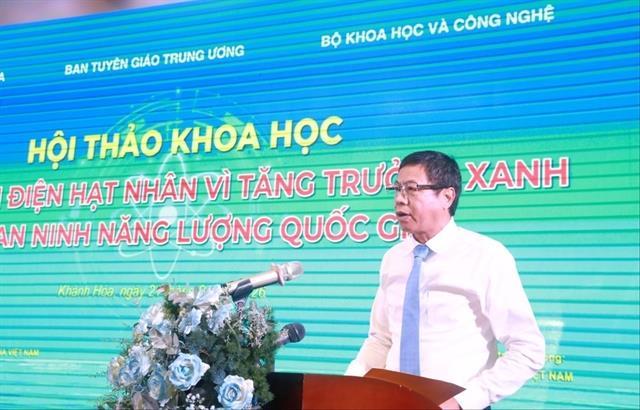
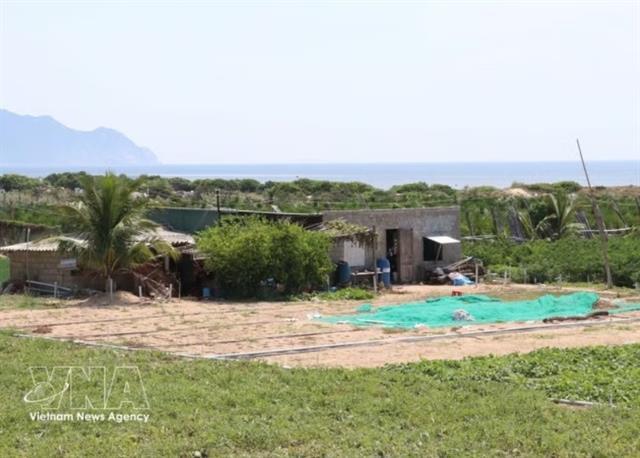
The south-central province of Khánh Hòa has posted brisk compensation and site-clearance disbursements for the Ninh Thuận 1 and Ninh Thuận 2 nuclear power plant projects, clearing the way for follow-on work and keeping construction timelines on track.
A landmark electricity deal marks a new step in Việt Nam’s clean energy transition as a global manufacturer becomes the first to buy renewable power directly from a producer through the national grid.
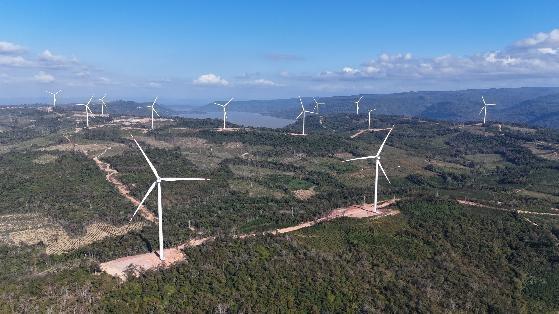
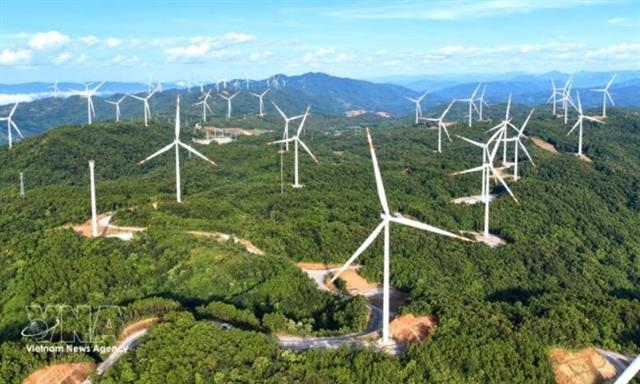
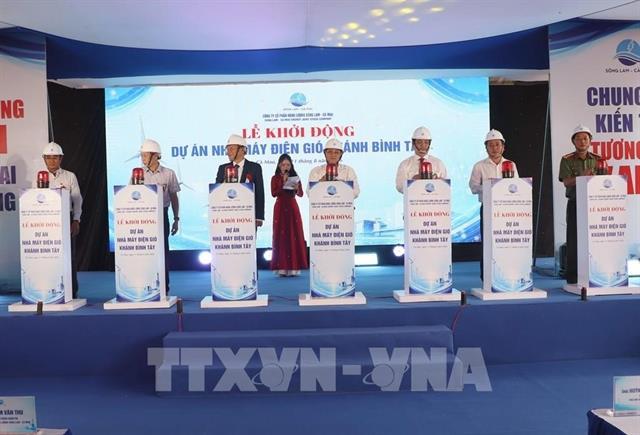
Việt Nam’s wind power ambitions face persistent hurdles over financing, transmission infrastructure and policy clarity despite strong growth potential and rising energy demand nationwide.
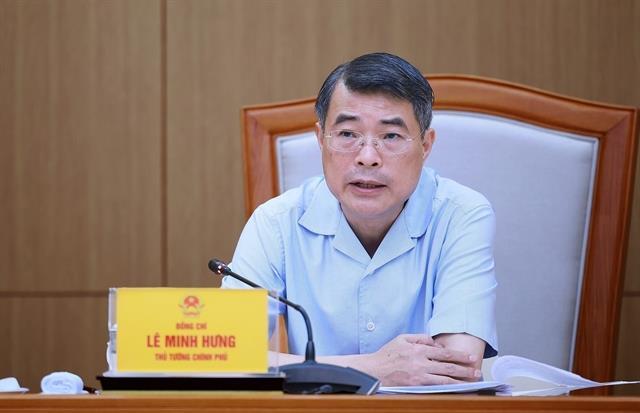
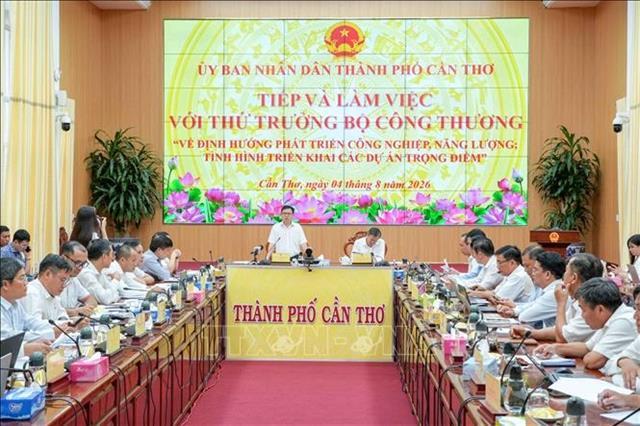
Deputy Prime Minister Phạm Gia Túc has ordered the acceleration of major power and energy projects to ensure they meet energy security and economic growth targets.
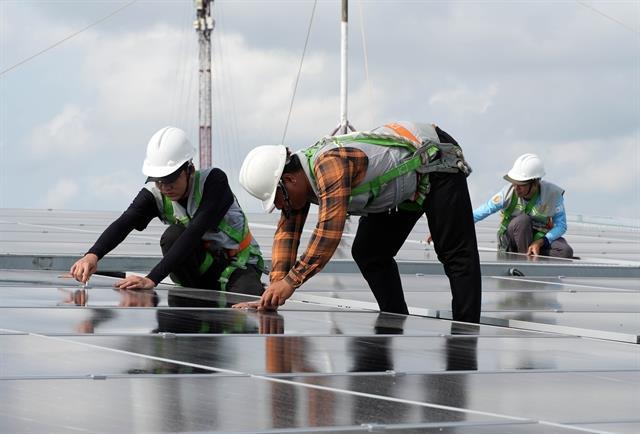
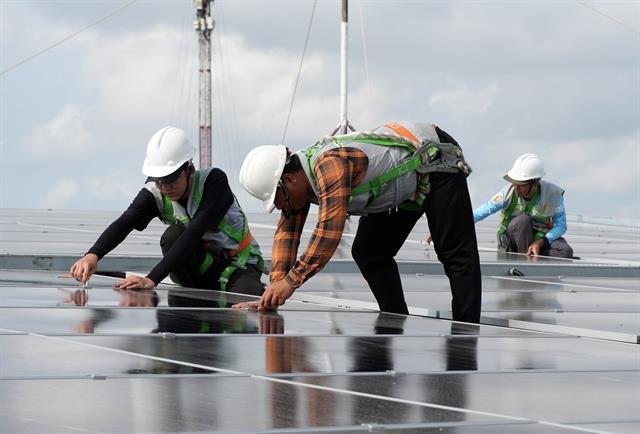
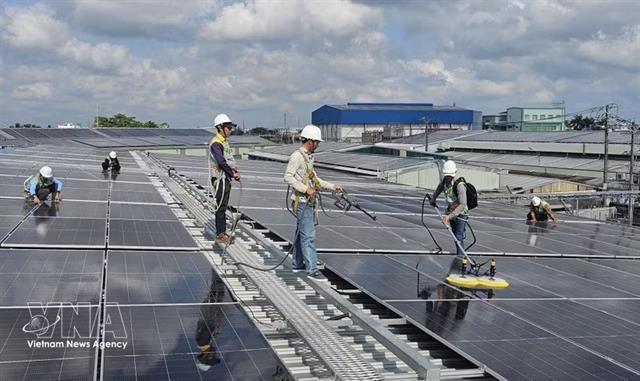
Rooftop solar power, especially when combined with Battery Energy Storage Systems (BESS), is emerging as a strategic solution, paving the way for a greener, more flexible and more sustainable industrial park model.
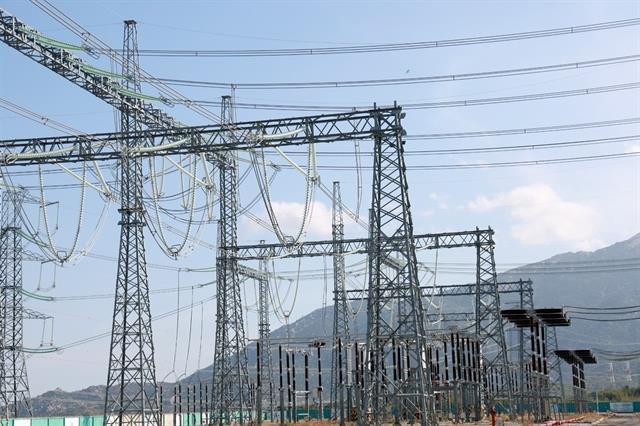
To sustain GDP growth of around 10 per cent, electricity demand is expected to increase by 12-15 per cent annually, requiring an additional 7,000-8,000 MW of new capacity each year.
The 800MW floating solar power project on the Sơn La hyower reservoir is expected to supply around 1.25 billion kWh of clean electricity annually to the national grid.
Nghệ An Province on May 18 launched technical infrastructure works and broke ground for the Quỳnh Lập LNG thermal power plant, one of the largest energy projects in north-central Việt Nam.
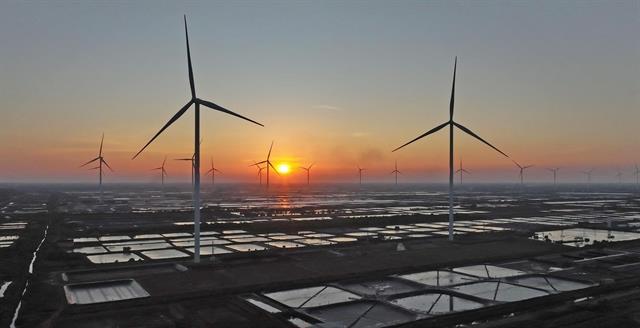
The project is expected to have a designed capacity of 50 MW and will be implemented in nearshore waters of the Cô Tô special zone. It will be the first offshore wind power project in the province, playing a pioneering...
The publication comes as Việt Nam faces rising electricity demand driven by rapid economic growth and industrial expansion, while also seeking to reduce greenhouse-gas emissions under its international climate commitments.
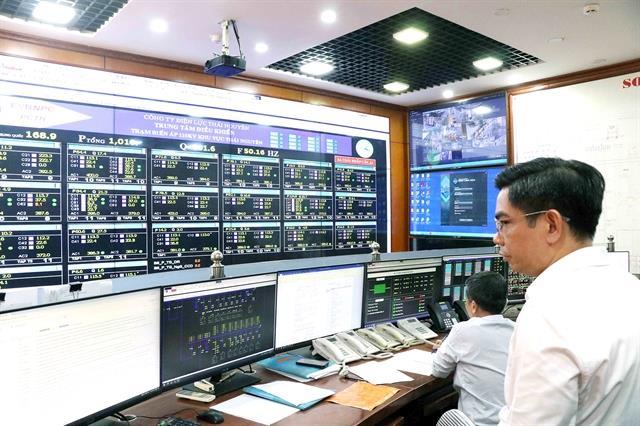
From operating the power system and supplementing supply sources to promoting electricity conservation and developing battery energy storage systems (BESS), a wide range of measures are being deployed to ensure stable power supply during periods of extreme demand.
In an interview with the Vietnam News Agency (VNA)''s reporter, Keiju Mitsuhashi, director for Energy Sector for Southeast Asia and the Pacific at ADB, underscored this strategic position, describing Việt Nam as a “truly important” part of the broader Pan-Asia...
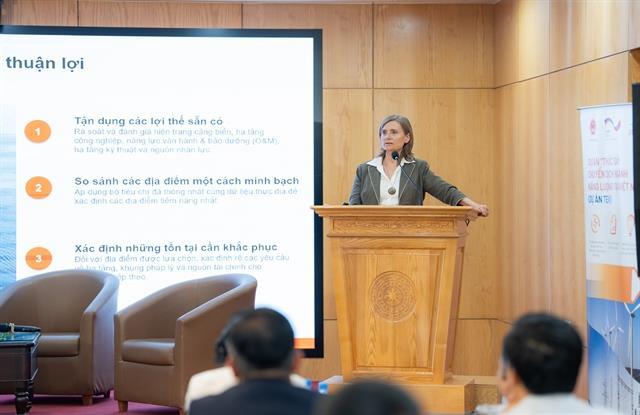
Organised by the Vietnam Chamber of Commerce and Industry (VCCI) and Diễn Đàn Doanh Nghiệp (Business Forum) magazine, the event gathered policymakers and industry representatives to discuss how to accelerate renewable energy adoption and ensure stable power supply.