Smart energy infrastructure critical for green growth
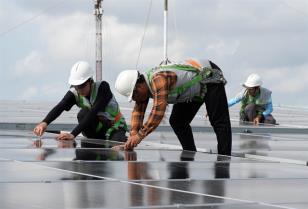
Renewable energy and nuclear power now account for around 42 per cent of global electricity generation, while wind and solar power are on track to overtake coal as the world's top source of electricity.
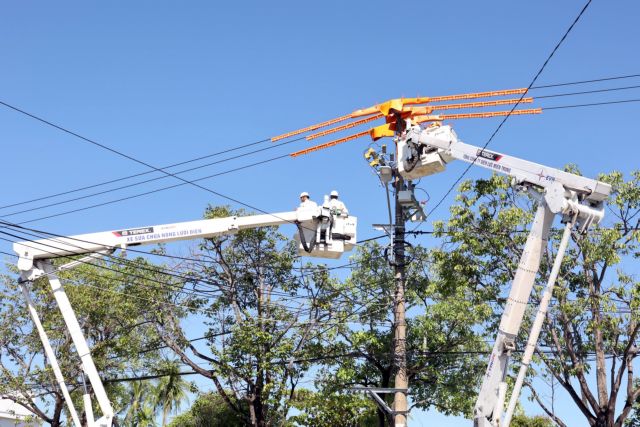
HÀ NỘI — Developing smart energy infrastructure will be critical for Việt Nam to achieve its green growth ambitions, as the global energy transition has entered a new phase that requires more flexible, resilient and digitally enabled energy systems.
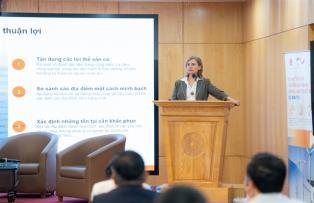
At the Smart Energy Infrastructure Development Forum in Hà Nội, experts said that countries must move beyond simply expanding renewable power generation and focus on building smarter energy systems.
Nguyễn Đình Thọ, deputy director of the Institute of Strategy and Policy on Agriculture and Environment, said that renewable energy is increasingly dominating the global energy mix, while investment in the energy transition reached a record US$2.3 trillion in 2025, roughly double the amount invested in fossil fuels.
Renewable energy and nuclear power now account for around 42 per cent of global electricity generation, while wind and solar power are on track to overtake coal as the world's top source of electricity, he pointed out.
However, Thọ said that the green transition is facing significant challenges, including insufficient grid infrastructure, fragmented supply chains, geopolitical tensions and uneven investment flows.
Meanwhile, electricity demand is rising rapidly, driven by electric vehicles, economic electrification, artificial intelligence and data centres, forcing many countries to rethink their energy strategies, he added.
"Without energy storage systems, transmission infrastructure and smart grids, we will continue to face situations where some regions have excess electricity while others experience shortages, leading to resource waste," Thọ noted.
Irish Ambassador to Việt Nam Deirdre Ní Fhallúin said recent geopolitical developments have highlighted the urgency of ensuring secure, clean and intelligent energy supplies.
Ireland has become one of the world's leading countries in integrating renewable energy into its national power system. Wind power currently supplies about one-third of electricity consumption across the island, while the country has installed more than 5,000MW of onshore wind capacity.
She said Ireland's success was not solely due to expanding renewable electricity generation, but also to building a comprehensive smart energy ecosystem.
The country has installed around 2.2 million smart electricity meters covering more than 80 per cent of households, with 97 per cent transmitting daily consumption data. The system allows consumers to benefit from flexible electricity pricing, reduce costs and shift electricity usage away from peak demand periods.
Ireland has also introduced policies to ensure sustainable electricity supply for energy-intensive sectors, such as data centres, which are expected to play an increasingly important role as digital technologies expand.
Thọ said Ireland's experience offers valuable lessons for Việt Nam as the country seeks to modernise its energy system.
One of the most important lessons is the need to shift from a focus on expanding power generation capacity to managing the flexibility of the overall energy system, he said.
The power system needs to become far more flexible to enable electricity consuming assets, such as electric vehicles, to draw power from the grid, help balance demand and feed electricity back into the system when needed, he said. — VNS