Viettel’s solar power generation cuts grid electricity use by 3%
As its 5G network, data centres and digital platforms continue to expand, Viettel has identified energy consumption and environmental impacts as key sustainability priorities.
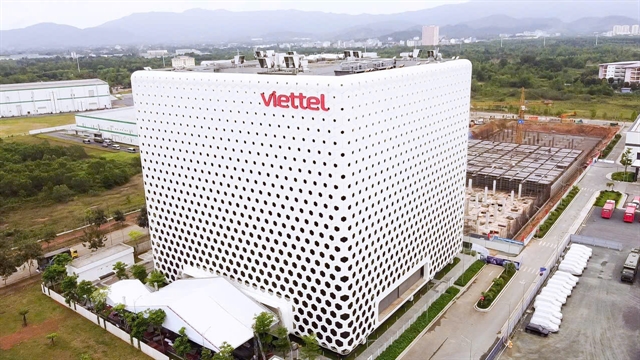
HÀ NỘI — Viettel generated more than 50,400 MWh of solar power in 2025, helping increase the share of renewable energy in its overall electricity consumption for the second consecutive year.
The figures were released in Viettel’s 2025 Sustainability Report, titled 'For a Sustainable Future', marking the second consecutive year the military-run telecoms group has published a report on its sustainability activities.
As its 5G network, data centres and digital platforms continue to expand, Viettel has identified energy consumption and environmental impacts as key sustainability priorities.
In 2025, the group’s in-house solar power generation rose 24.8 per cent year-on-year to 50,404 MWh, further increasing the share of renewable energy in its electricity mix for the second consecutive year.
Viettel has installed solar power systems at buildings, data centres and telecoms stations in Việt Nam. The systems have been particularly effective in overseas markets where grid power supplies are less stable.
At the same time, Viettel’s grid electricity consumption in Việt Nam fell by 3 per cent despite the group’s continued rapid expansion of its 5G infrastructure during the year.
“Equipment optimisation, automated adjustment of base station operations based on actual demand, and the application of technology in network operations have helped improve energy efficiency,” Viettel's report said.
The group is also promoting a circular-economy approach to telecommunications equipment.
In 2025, 53.67 per cent of customer-returned end-user devices were collected. Equipment meeting the required standards was repaired and reused, while other devices were sent for controlled processing, helping reduce electronic waste and extend product lifecycles.
Viettel’s total greenhouse gas emissions remained broadly stable in 2025 compared with the previous year, despite continued investment in infrastructure. This came as major global technology groups reported double-digit emissions increases amid a wave of investment in AI infrastructure.
By the end of 2025, Viettel had expanded its 5G network to 30,000 base stations, with outdoor coverage reaching about 90 per cent and indoor coverage around 70 per cent.
Nearly 10 million customers were supported in upgrading from 2G to 4G, while 800,000 4G devices were provided free of charge to people facing financial difficulties. — BIZHUB