






One of the most volatile weeks of 2026 has tested confidence in Việt Nam''s gold market, as bargain hunters return while uncertainty over global interest rates and economic conditions persists.
The 2024 Land Law has abolished the long-standing land price framework and requires local authorities to issue annual land price tables that more closely reflect market values.
Several steel companies have announced price cuts for construction steel products, marking the first downward adjustments this year and offering some relief to contractors facing rising project costs.
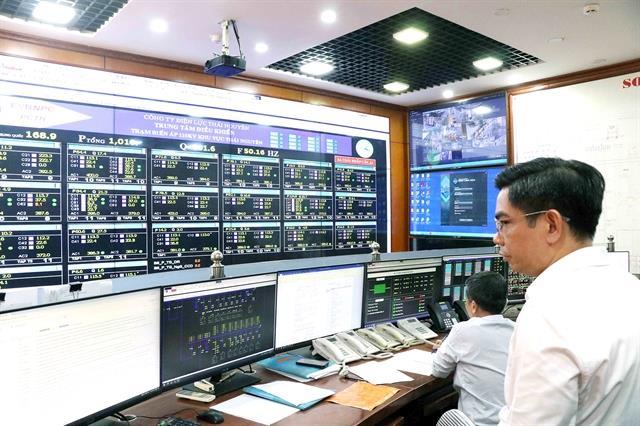
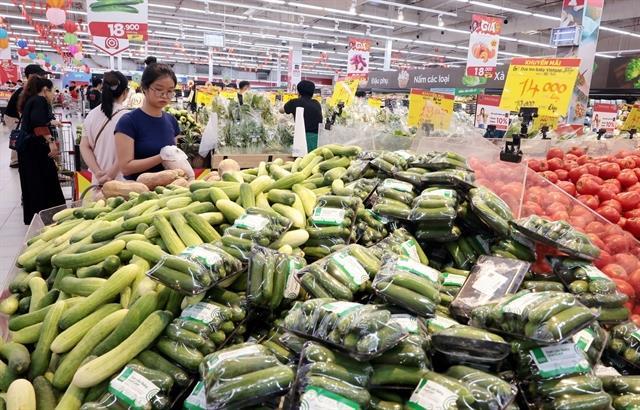
Việt Nam''s consumer price index rose 0.29 per cent in May from April, driven by higher electricity, water, fuel, housing and construction material costs, according to the National Statistics Office.
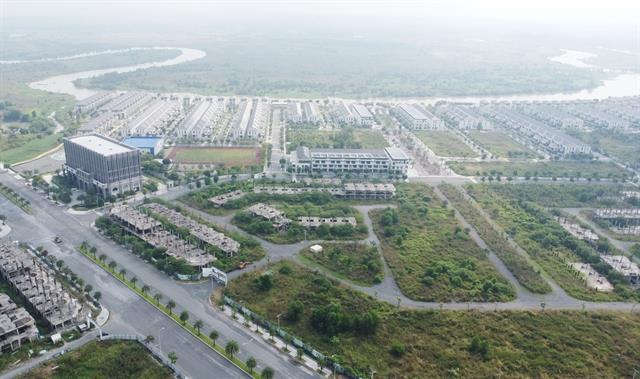
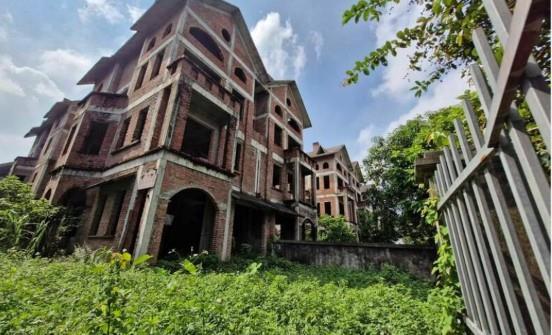
The move is seen as an unprecedented attempt by Hà Nội authorities to discourage short-term speculation, reduce housing price and prioritise genuine housing demand amid skyrocketing housing prices in the capital city.
First-quarter financial statements released by major listed energy firms showed a deeply divided performance picture as geopolitical tensions and volatile crude prices d contrasting outcomes across the sector.
The proposal to allow businesses to borrow gold from the public has triggered concerns over how to effectively to unlock the vast idle assets for production while preventing risks and safeguarding system security.
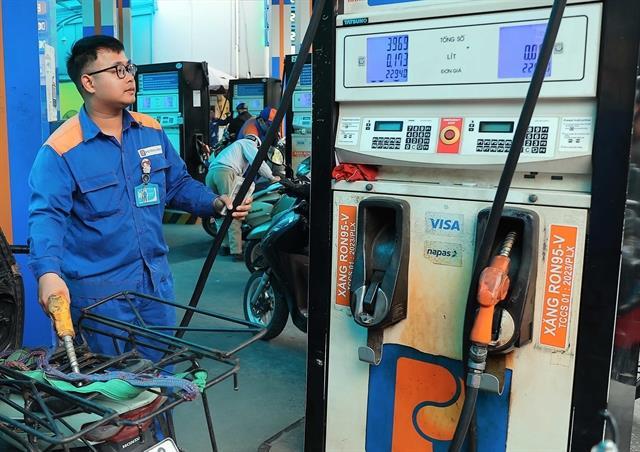
Accordingly, the price of E5RON92 biofuel is capped at VNĐ21,834 (US$0.83) per litre, down VNĐ100, and remaining VNĐ1,046 lower than RON95-III. The price of RON95-III is set at no more than VNĐ22,880 per litre, down VNĐ162.
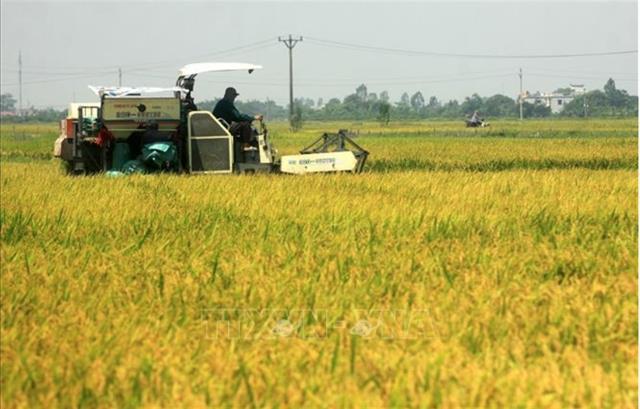
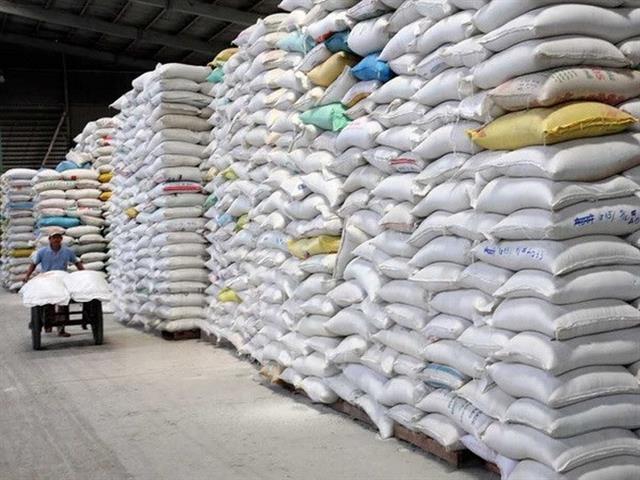
Falling prices dragged down Việt Nam’s rice export value in early 2026 despite steady volumes, as the sector shifts towards higher quality and greener production.
The investigation covers a wide range of rice products under AHTN Chapter 1006, including paddy, husked (brown) rice, semi-milled or wholly milled rice and broken rice.