



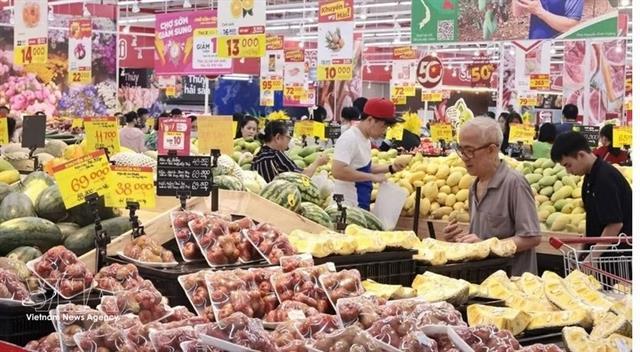
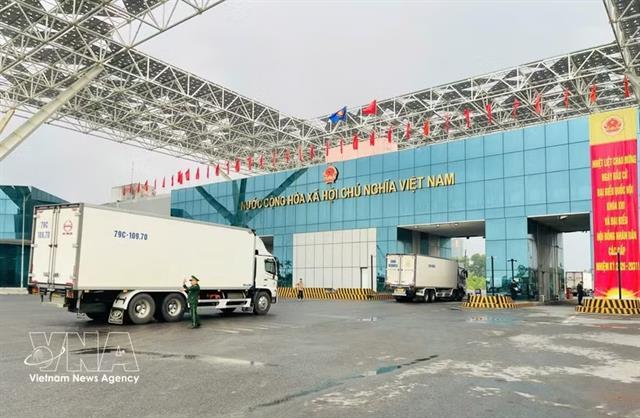
Việt Nam''s total import-export turnover in April was estimated at US$94.32 billion, up 0.8 per cent from the previous month and 26.7 per cent year-on-year, according to the National Statistics Office.
Việt Nam shipped about 9,900 tonnes of coffee worth US$80.6 million to Thailand in the first quarter of 2026, up 22.5 per cent in volume and 28.7 per cent in value from a year earlier, according to Việt Nam Customs.
Domestic agricultural enterprises are exerting efforts to maintain their standing in key export markets to avoid dependence on certain markets, especially the US.
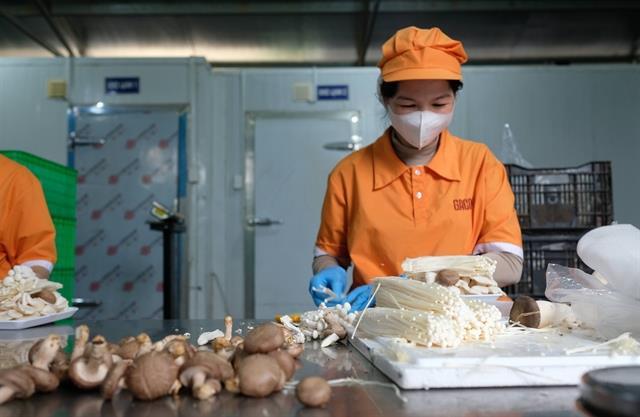
The Châu Pha Agricultural Production and Services Cooperative model is widely seen as an illustration of a new direction for Việt Nam’s agriculture sector, one that combines clean production practices, modern management and proactive engagement with global markets.
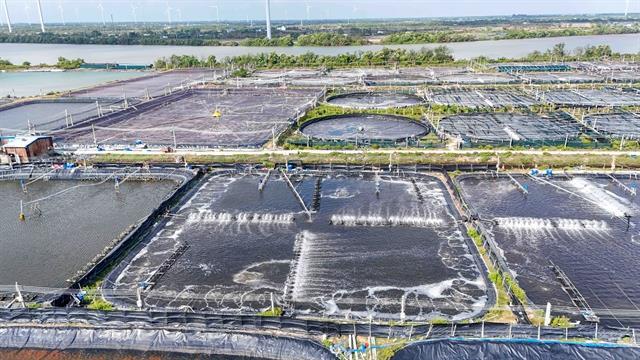
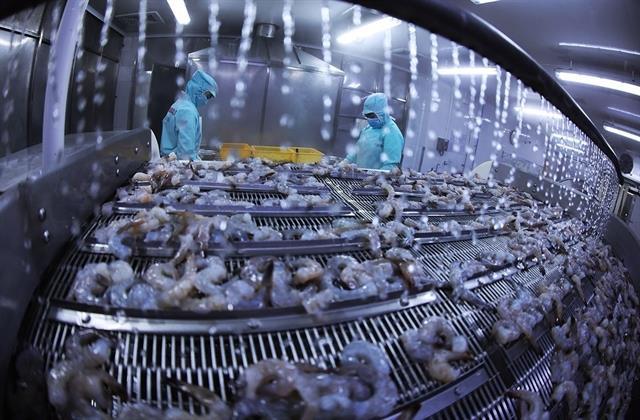
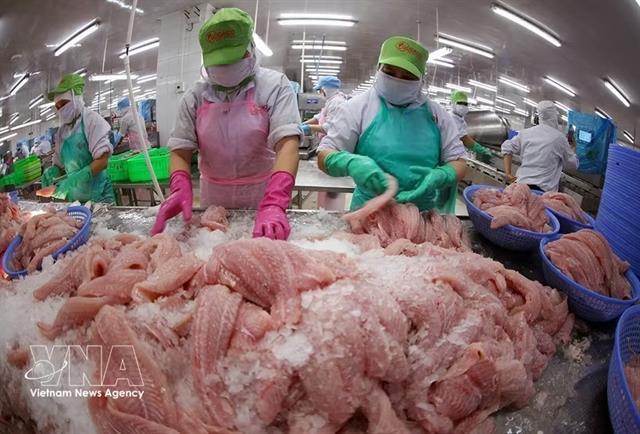
Enterprises are shifting toward reasonably priced, easy-to-consume products such as tra fish, tilapia, canned items and surimi, instead of focusing mainly on high-end products like large-sized shrimp, which are facing weaker demand in some markets.
The Plant Production and Protection Department held a conference on Wednesday to stakeholders on the EU’s draft regulations, while also discussing solutions for safe production, residue reduction, and proactive export risk management.
Việt Nam now supplies about 99.63 per cent of Thailand’s imported pepper, driven by strong demand from the food and tourism industries and limited domestic production.
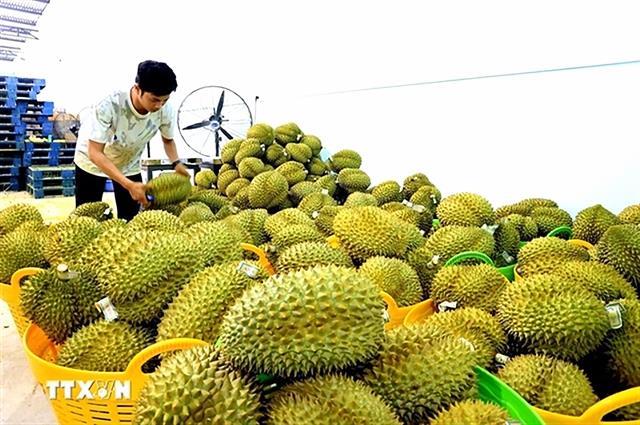
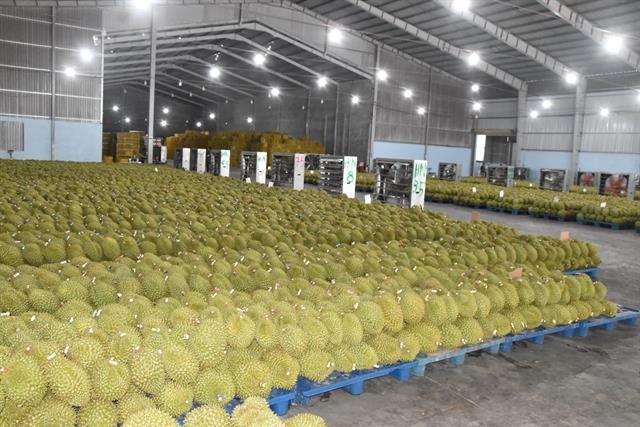
Việt Nam’s fruit and vegetable exports are off to a strong start in 2026, as the sector strengthens traceability, processing, and production standards to overcome tighter global requirements and move toward a US$10 billion target.
Associations are encouraged to proactively gather and promptly report difficulties faced by businesses related to mechanisms, policies, administrative procedures, credit, taxation, logistics, and insurance.
The management should not only focus on expanding markets or achieving higher prices but also on proactively identifying and forecasting non-traditional barriers in order to raise timely response measures.
Of the total export value in the January–February period, agricultural products accounted for US$6.09 billion, up 17.1 per cent year-on-year. Seafood exports reached $1.76 billion, marking a sharp increase of 23.3 per cent, while forestry products brought in $2.82 billion,...