

A landmark electricity deal marks a new step in Việt Nam’s clean energy transition as a global manufacturer becomes the first to buy renewable power directly from a producer through the national grid.
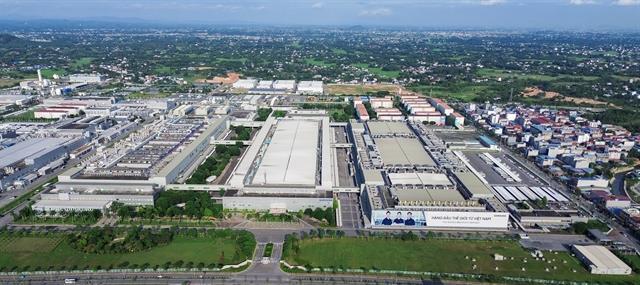
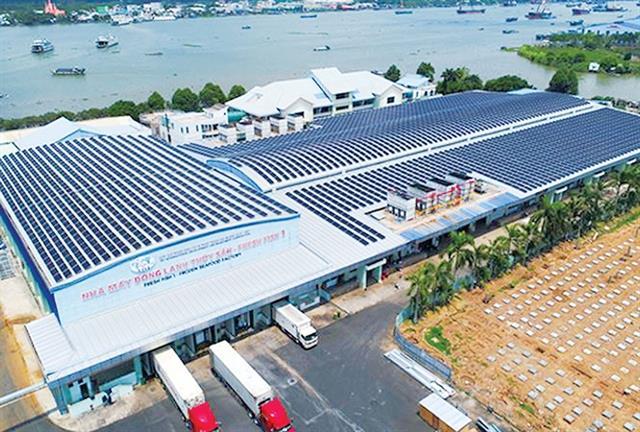
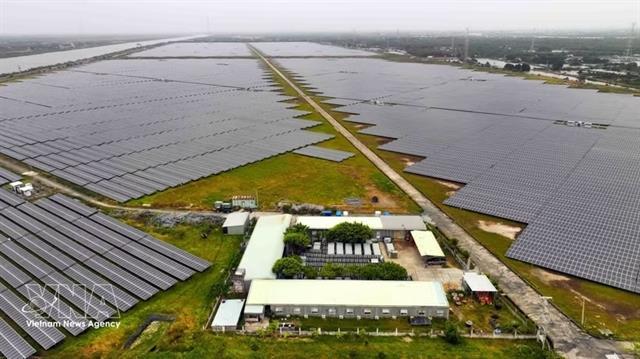
Rooftop solar power, especially when combined with Battery Energy Storage Systems (BESS), is emerging as a strategic solution, paving the way for a greener, more flexible and more sustainable industrial park model.
To sustain GDP growth of around 10 per cent, electricity demand is expected to increase by 12-15 per cent annually, requiring an additional 7,000-8,000 MW of new capacity each year.
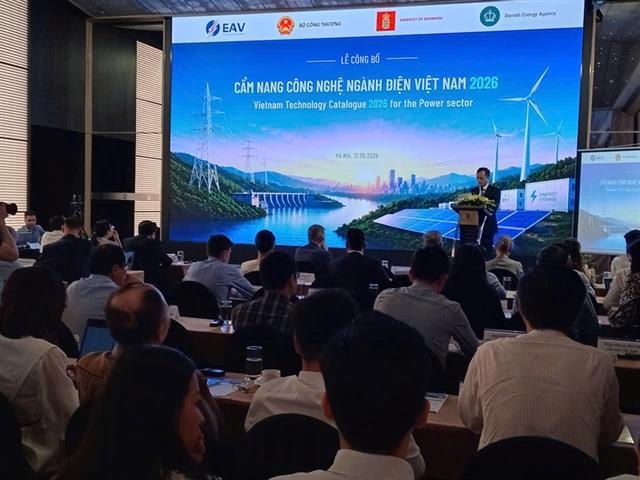
The publication comes as Việt Nam faces rising electricity demand driven by rapid economic growth and industrial expansion, while also seeking to reduce greenhouse-gas emissions under its international climate commitments.
From operating the power system and supplementing supply sources to promoting electricity conservation and developing battery energy storage systems (BESS), a wide range of measures are being deployed to ensure stable power supply during periods of extreme demand.
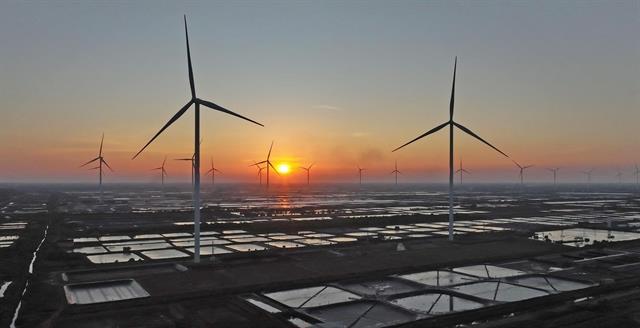
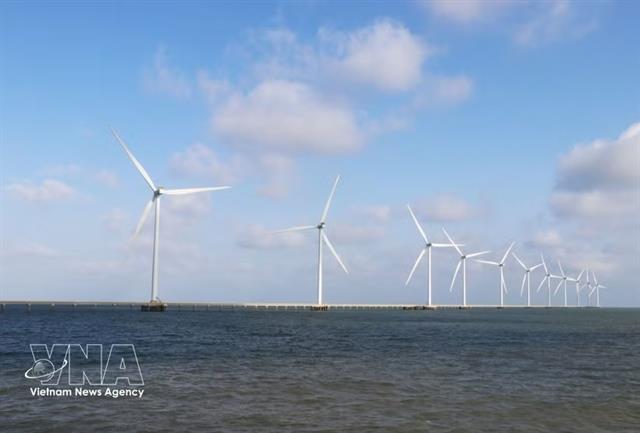
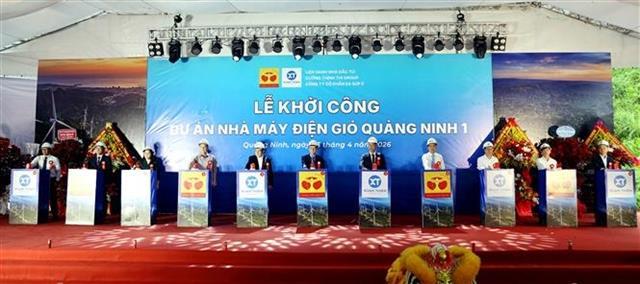
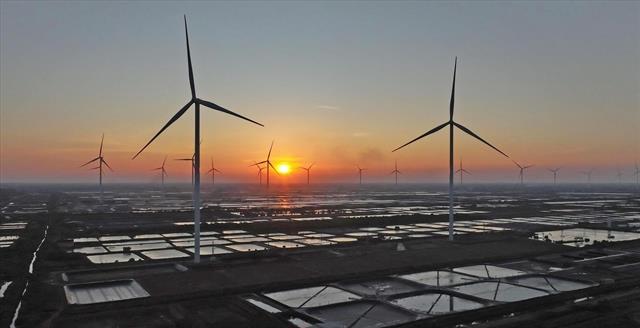
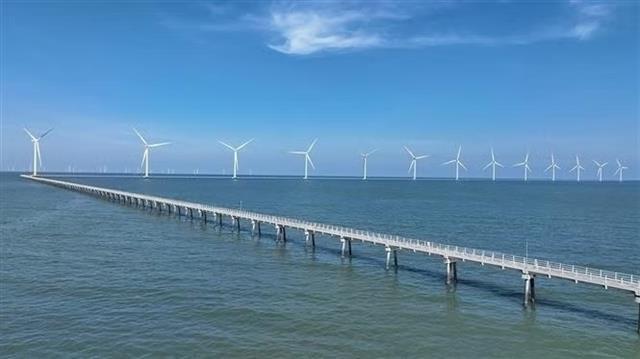
Ground broken on Quảng Ninh 1 wind farm, one of northern Việt Nam’s first large-scale projects, set to supply nearly 600 million kWh of clean power annually from 2028.
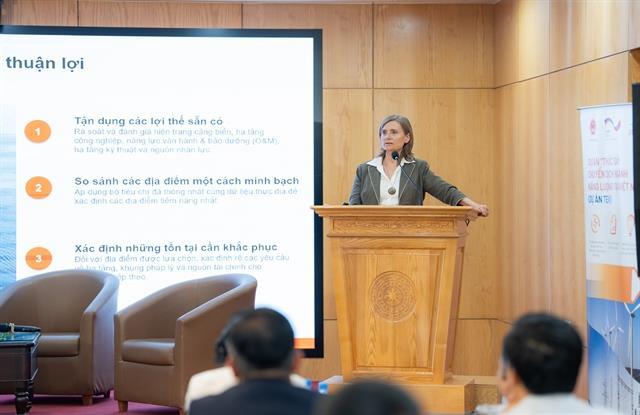
Organised by the Vietnam Chamber of Commerce and Industry (VCCI) and Diễn Đàn Doanh Nghiệp (Business Forum) magazine, the event gathered policymakers and industry representatives to discuss how to accelerate renewable energy adoption and ensure stable power supply.
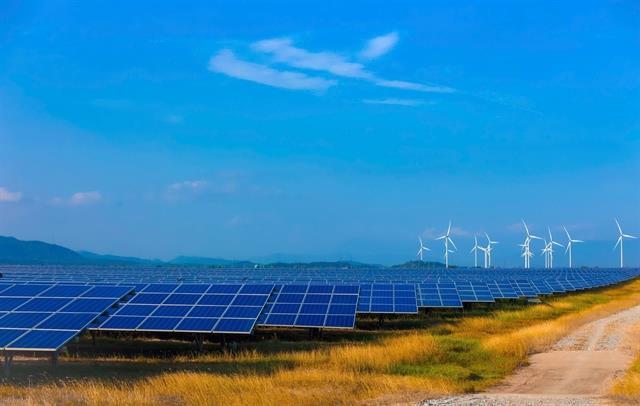
Việt Nam will strive to increase the proportion of renewable energy sources to approximately 47 per cent of the country’s total electricity capacity by 2030.
Việt Nam has raised its economic growth target to double-digit growth during 2026–30, which has altered energy demand projections and requires revisions to the national energy plan to safeguard energy supply for the economy.
Vietnam Green Transition Association (VGA) makes its debut on Wednesday as a new industry body aimed at accelerating business participation in green transition and green economy as Việt Nam moves to translate sustainability commitments into concrete action.
Self-consumption rooftop solar systems would be permitted to export surplus electricity to the national grid, capped at 50 per cent of the total output.
Green transition is no longer an option rather, it has become a top strategic priority for businesses, especially as Việt Nam has committed to achieving net-zero emissions by 2050.
Việt Nam needs to step up international cooperation to accelerate its energy transition as the country faces rising electricity demand, experts said at a conference held by the Institute for Brand and Competitive Strategy on Tuesday in Hà Nội.