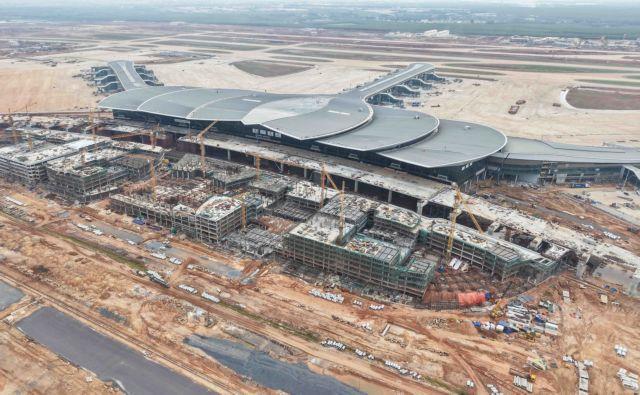
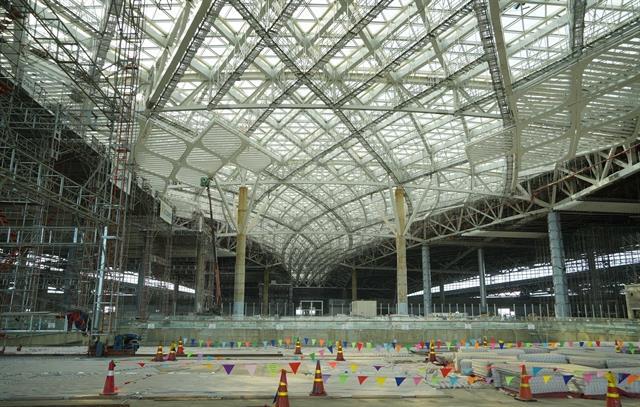





The project is designed to meet 4E airport standards, with a capacity of 2 million passengers per year by 2030 and total investment of nearly VNĐ3.9 trillion (US$148 million).
It is critical to strike a balance between attracting foreign investment and safeguarding national interests as Việt Nam considers raising the foreign ownership cap in the aviation sector, a move aimed at easing capital constraints while maintaining control over a...
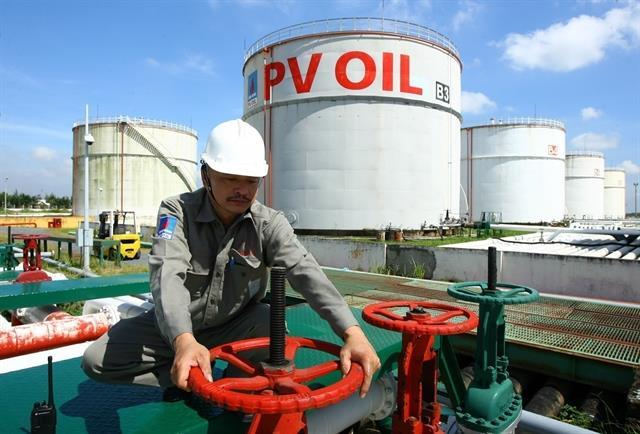
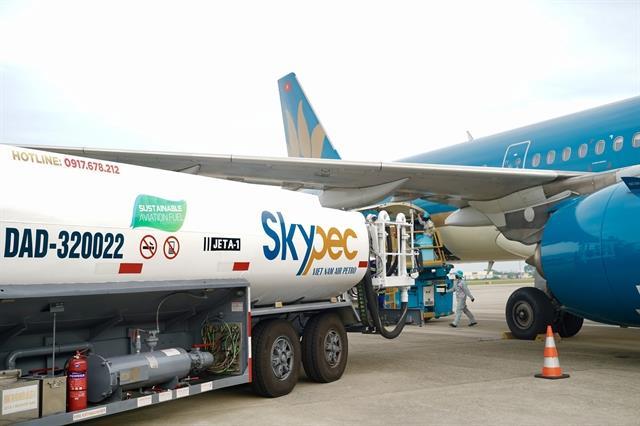
Jet fuel supply is expected to meet demand through the end of April and the upcoming Reunification Day (April 30) and International Workers'' Day (May 1) holiday peak, authorities confirmed.
The MoF said persistently high and fluctuating global fuel prices have put significant strain on the profit margins of aviation and shipping firms, necessitating urgent support measures.
The Government has taken swift action to cushion the impact of rising oil prices related to the Middle East war, including tax cuts and an advance of VNĐ8 trillion (US$304 million) to the fuel price stabilisation fund.
The CAAV said that Việt Nam’s jet fuel providers remain heavily dependent on imports, posing a significant risk as global supply chains face disruptions.
Located in HCM City, the AAFH will offer policy incentives for aviation finance, including competitive tax policies, liberalised capital flows, multi-currency payments and an international-standard legal framework to protect asset rights.
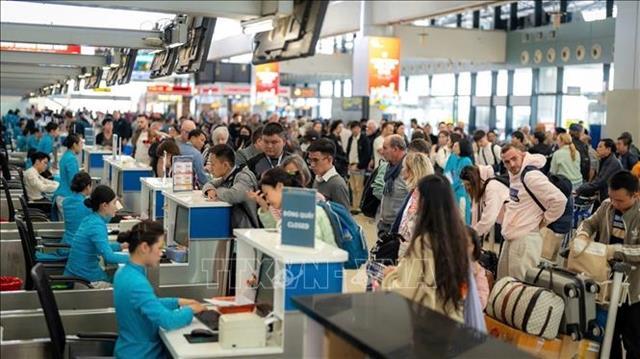
The main causes of delays were late aircraft arrivals and airline-related operational issues, alongside weather conditions, airport infrastructure constraints.
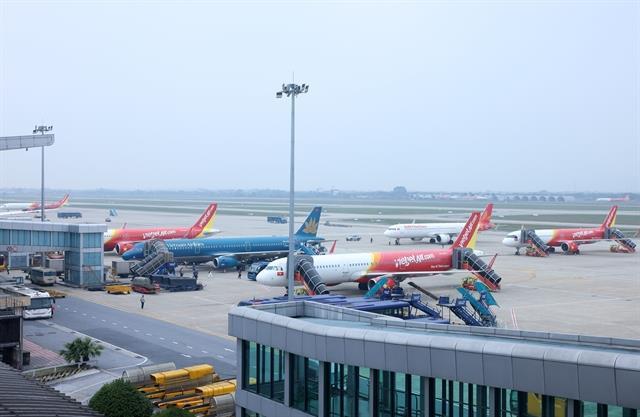
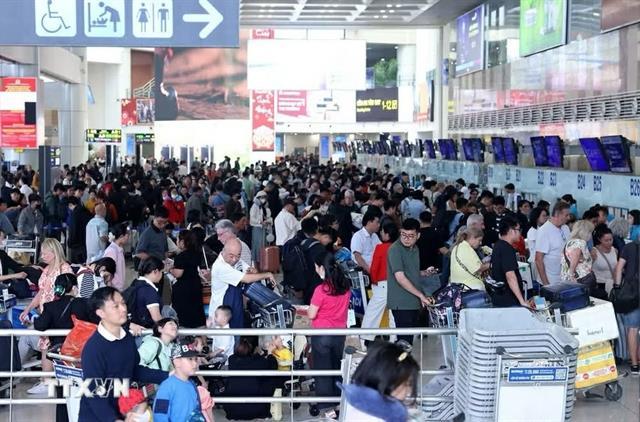
The aviation industry registered double-digit growth in both the number of passengers and volume of cargo, contributing to economic growth and accelerating tourism.
The goal is for the aviation industry to become a strategic economic sector by 2035, with world-class competitiveness in Southeast Asia and sustained long-term growth.
The key advantage of this breakthrough lies in its cost-effectiveness and compatibility with existing global fuel supply systems, minimising disruption and additional costs to current energy and fuel industries.