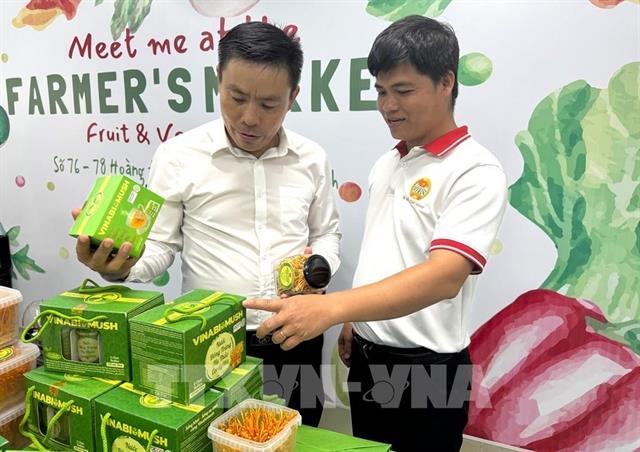
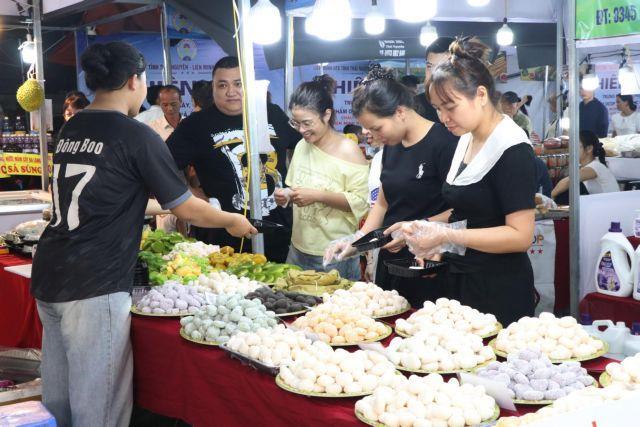
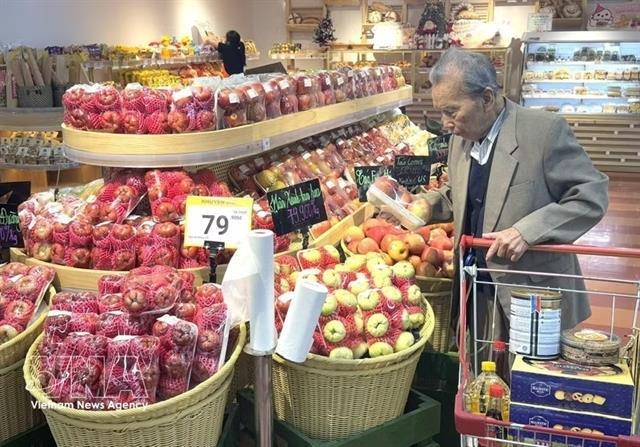
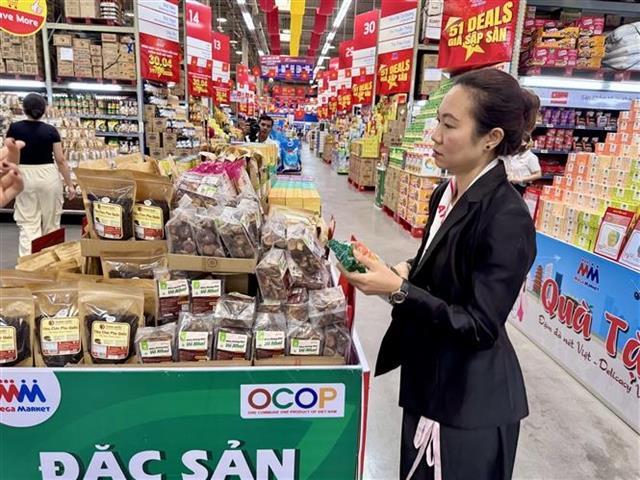
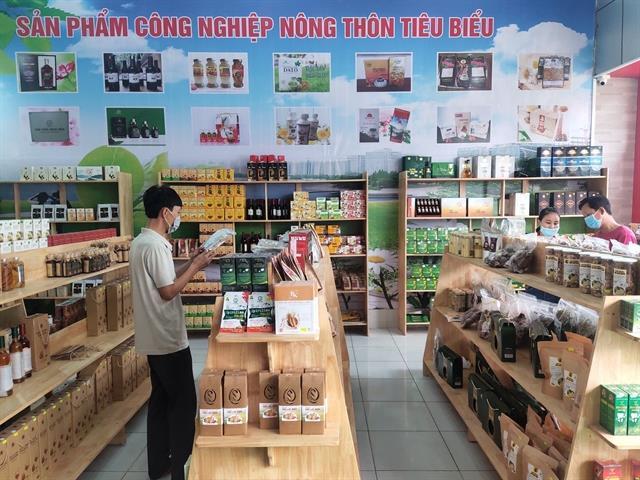
The domestic market has seen a shift in consumer awareness. While locally made goods were once viewed as secondary choices, improvements in quality and transparency have helped OCOP products become a preferred option in many households.
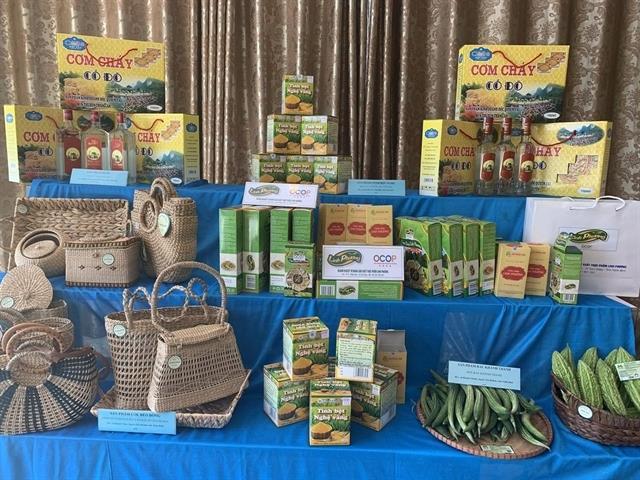
Việt Nam currently has 18,243 OCOP products rated three stars or higher, forming a standardised quality system that helps strengthen and enhance the Vietnamese national brand.
The ion of these products aims to honour those with quality, practical value, production potential, market expansion capacity, and appeal to consumers both domestically and internationally.
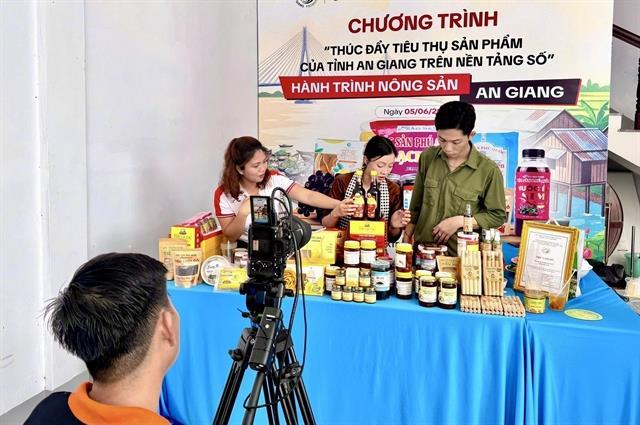
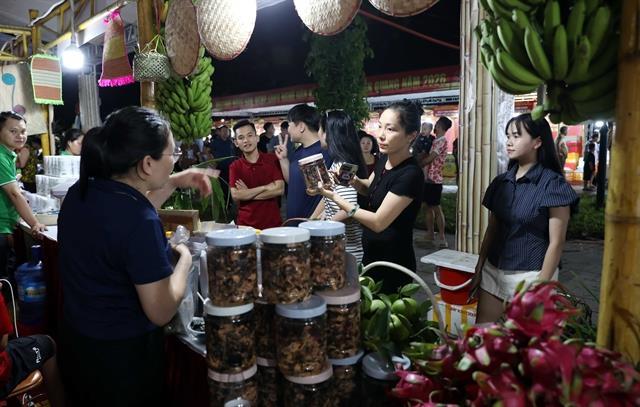
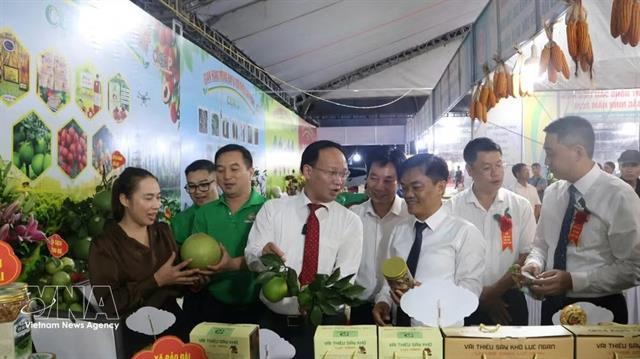
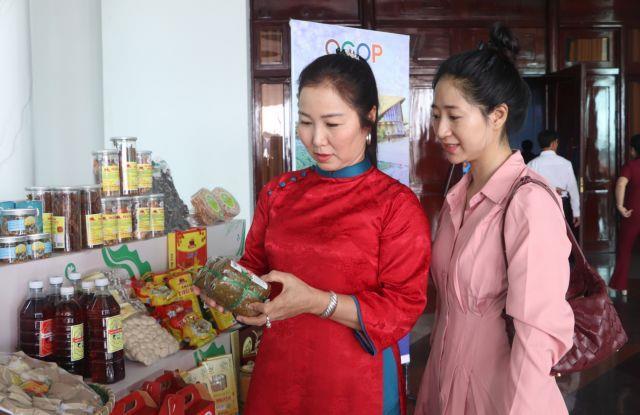
Many OCOP products such as durian, herbal smoked snails, dried young grapefruit, and goat milk are now offered at travel destinations, homestays and eco-tourism sites across the Cửu Long (Mekong) Delta city.
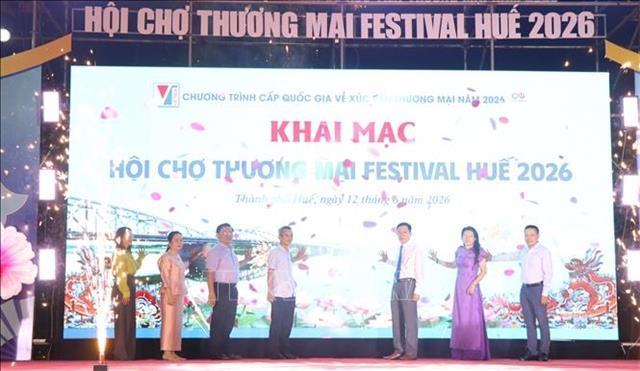
Running through Sunday, the event features a regional OCOP trade connection conference chaired by the Ministry of Agriculture and Environment, an OCOP product contest, and a trade fair.
The initiative was established in the Hà Nội People''s Committee programme ''Digital pavilion – Elevating Hà Nội’s merchants'' issued on Tuesday, which aims to expand the share of the digital economy in the capital’s gross regional domestic product (GRDP) to...
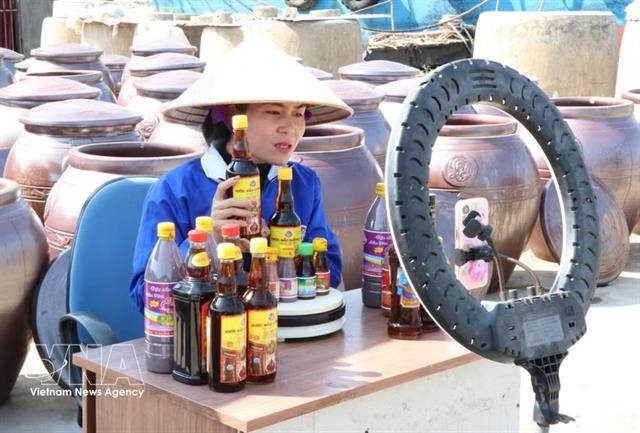
Vietnam’s “One Commune, One Product” (OCOP) programme is riding the wave of e-commerce and social media to propel its rural brands onto the global stage, blending cultural heritage with digital savvy to tap premium markets.
Home to the highest number of craft villages in the country, with 47 out of the 52 traditional crafts, Hà Nội is striving to become a pioneer in exporting One Commune One Product (OCOP) items.
The 2025 Vietnam One Commune, One Product (OCOP) Export Fair (VIETNAM OCOPEX) opened in Hà Nội on Friday, drawing over 200 exhibitors from 34 cities and provinces as well as international participants from Peru, Laos, and Cambodia.
The event is jointly organised by Việt Nam’s Ministry of Agriculture and Environment (MAE) and the Food and Agriculture Organization of the United Nations (FAO), with the participation of 14 ministers from African countries.