SMEs face high costs, capacity gaps in bid to join global supply chains
While opportunities to connect with major buyers are expanding, particularly during the year-end export and retail peak season, many SMEs struggle to pass initial supplier assessments because they cannot meet requirements for product quality, production volumes, certifications and delivery schedules.
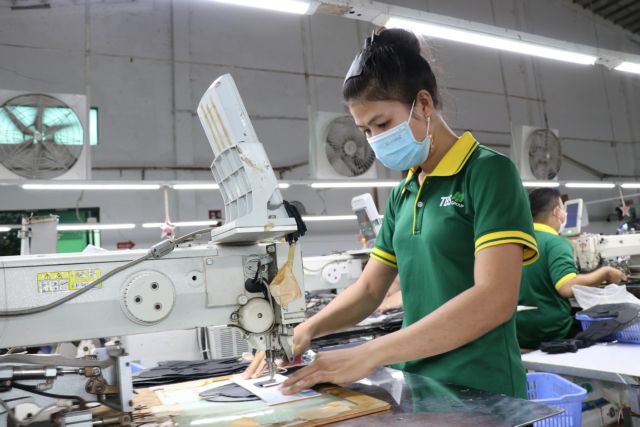
HÀ NỘI — Small and medium-sized enterprises (SMEs) in Việt Nam continue to face significant barriers to joining major corporate supply chains despite a growing number of business-matching initiatives, highlighting the need for more targeted trade promotion and practical support to help domestic suppliers meet international standards.
While opportunities to connect with major buyers are expanding, particularly during the year-end export and retail peak season, many SMEs struggle to pass initial supplier assessments because they cannot meet requirements for product quality, production volumes, certifications and delivery schedules.
Turning connections into orders
The need to expand market access, identify business partners and strengthen production capacity is placing greater demands on trade promotion activities.
Nguyễn Đăng Khoa, head of the Trade Promotion Board at the Saigon Association of Small and Medium Enterprises, said SMEs were seeking not only new customers, but also access to technology and resources to support business development.
Business-matching programmes should therefore be designed around actual procurement needs, ensuring that potential buyers would be paired with suppliers whose capabilities match their requirements, he said.
However, identifying suitable partners would only be the first step towards securing a contract. The process could take around six months and involve multiple stages, including initial discussions, sample submissions, capacity assessments and negotiations over supply terms, Khoa told VnBusiness.
The effectiveness of trade promotion should therefore be measured not by the number of participating companies or meetings held, but by how many initial contacts translate into actual orders, he said.
SMEs needed to demonstrate their capabilities throughout the process, from product introduction and sample testing to assessments of their ability to maintain stable supply.
Trịnh Công Quí, chief executive of BioWraps Solutions JSC in HCM City, said major buyers assessed suppliers on more than price, paying particular attention to consistent production volumes and product quality.
Suppliers must also hold the required certifications, meet delivery schedules and demonstrate their ability to fulfil large orders, he said.
To address these barriers, trade promotion activities should move beyond broad networking events towards more targeted supplier screening based on production capacity, while facilitating closer engagement between SMEs and procurement decision-makers.
Priority should be given to businesses that have already undergone capacity assessments, Quí said. Encouraging buyers to adopt green procurement criteria could also incentivise SMEs to invest in upgrading production processes and meeting higher environmental standards.
From meetings to contracts
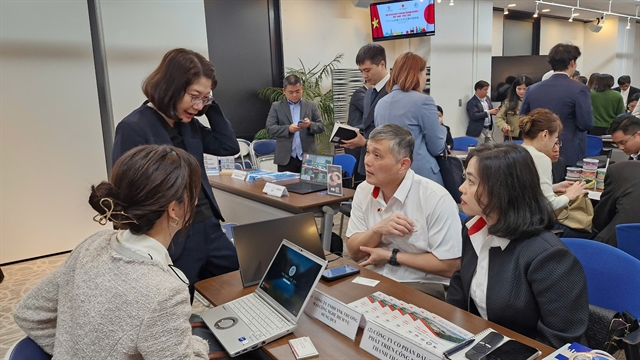
For business-matching initiatives to generate tangible results, trade promotion efforts must extend beyond introductions to include continued support after events conclude.
Khoa said that because supplier evaluation and contract negotiations could take up to six months, trade promotion agencies should help businesses complete documentation and address obstacles throughout the process.
This would also place greater responsibility on business associations to assess the actual outcomes of their trade promotion activities.
Phạm Văn Triêm, chairman of the HCM City Association of Small and Medium Enterprises, said success should be measured by the number of contracts signed, businesses that become established suppliers and the economic value generated, rather than simply the number of meetings held.
Organisers should monitor progress after each programme, identify businesses with strong potential and continue facilitating their engagement with buyers, he said.
However, connecting businesses and providing post-event support will not be enough unless SMEs can also overcome operational constraints and meet industry standards.
According to the Vietnam Chamber of Commerce and Industry, SMEs must take a more proactive approach to improving their capabilities rather than relying solely on external assistance.
They need to identify their target customers, develop comprehensive company profiles, standardise products, ensure transparency in production processes and identify gaps in applicable standards to establish clear upgrading plans.
Ultimately, securing a position in major supply chains will require coordinated efforts by SMEs, trade promotion agencies, industry associations, corporate buyers and regulatory authorities.
The success of these initiatives should be judged not by the number of business connections established, but by the contracts secured and the number of domestic enterprises that become reliable, long-term suppliers, the chamber said. — VNS