Cần Thơ advances rural transformation with focus on sustainability
Cần Thơ is shifting its new-style rural area development strategy towards quality and sustainability for the 2026–30 period, aiming to raise incomes and strengthen rural economies.
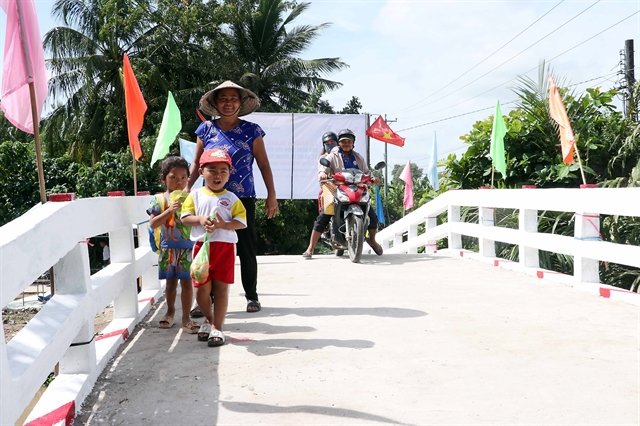
CẦN THƠ — Cần Thơ is shifting its new-style rural area development strategy towards quality and sustainability for the 2026–30 period, aiming to raise incomes and strengthen rural economies.
The Cửu Long (Mekong) Delta city plans to have an additional nine communes recognised under the national target programme on new-style rural area building by the end of this year.
Based on the programme’s criteria for the 2026–30 period, the targeted communes include Thới Hưng, Trường Thành, Trường Long, Thạnh Xuân, Hỏa Lựu, Vị Thủy, Hòa Tú, Hồ Đắc Kiện and Thạnh Hòa.
Huỳnh Thành Hữu, head of the city Coordination Office of the National Target Programmes, said: “These communes have strong advantages thanks to their solid foundation, having met the criteria of advanced and exemplary new-style rural areas in the 2021–25 period.”
“Building on this, they are reviewing criteria and mobilising resources to meet new requirements for 2026–30. They are expected to lead and create momentum in the first year of the new phase,” he said.
By the end of last year, 59 out of 72 communes in the city had met all new-style rural area criteria applied before 2026, including 15 meeting the advanced status of new-style rural communes and two with exemplary status. Average rural income reached VNĐ66 million (US$2,500) per person per year, while the poverty rate fell to 0.59 per cent.
Trần Chí Hùng, Deputy Chairman of the city People’s Committee, said the city would strengthen governance, improve policies and adapt implementation to a two-tier local government model in the new phase.
Departments and local authorities are reviewing policies, removing obstacles and ensuring the national target programme on new-style rural area building runs smoothly and on schedule.
Communication efforts are also being expanded to reach each household, with approaches tailored to local customs, especially in ethnic minority areas.
The city is promoting the role of trusted community figures to encourage public participation in rural development.
It is improving the rural environment, aiming for greener, cleaner and safer landscapes, with each commune maintaining at least one regular environmental model.
In economic development, the city is restructuring agriculture towards co-operation, market linkage, lower costs, higher quality and multi-value integration. This includes combining production with services such as processing and tourism.
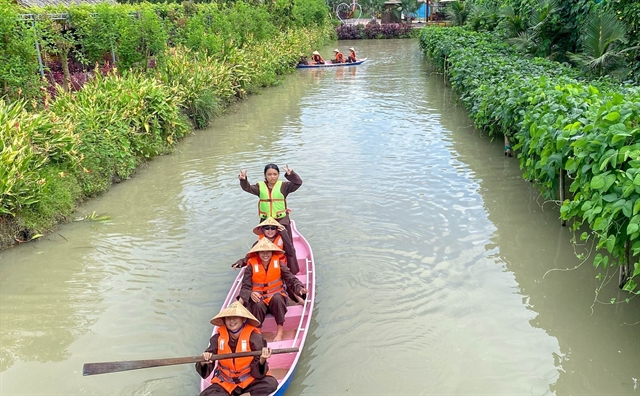
The city is also promoting production linkages, developing co-operatives and expanding high-tech farming models.
Many communes have strengthened the role of residents in building new-style rural areas.
Trần Văn Đỏ, a resident of Thạnh Hóa 1 Hamlet in Hỏa Lựu Commune, said: “My family is working to improve our livelihood and adopt a green lifestyle by not dumping waste into rivers and planting flowers and trees to create a clean and beautiful rural environment.”
Hồ Thu Ánh, Secretary of the Vị Thủy Commune Party Committee and chairwoman of the commune People’s Council, said the programme had been implemented in a coordinated manner alongside effective resource mobilisation.
Residents have voluntarily contributed thousands of square metres of land, hundreds of working days and hundreds of millions of đồng to build roads, dredge canals and light up rural roads, she said.
“The results come from promoting the role of reputable individuals and exemplary models in mobilising people to join community activities, while preserving positive cultural values,” she said.
Improving livelihoods
Raising rural incomes and living standards remains a key goal for the city.
The city aims to increase average rural income by 2–2.5 times by 2030 compared to 2020, reaching about VNĐ80–100 million ($3,040–3,800) per person per year.
It also targets reducing multidimensional poverty, developing ethnic minority areas and ensuring all communes meet new-style rural area standards, including modern new-syle rural area models.
To achieve this, the city is prioritising investment in transport, irrigation, electricity and digital infrastructure, along with vocational training, job creation and sustainable livelihood support.
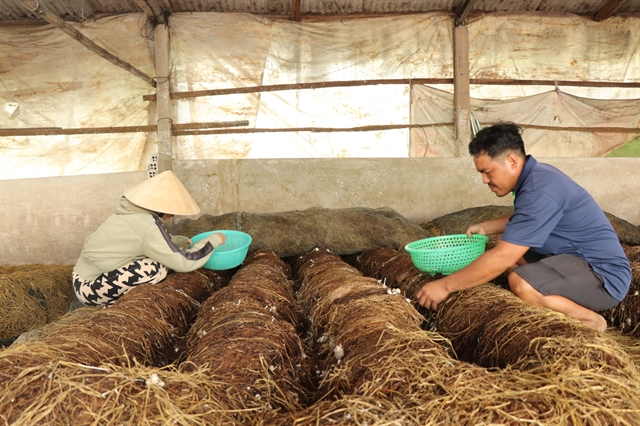
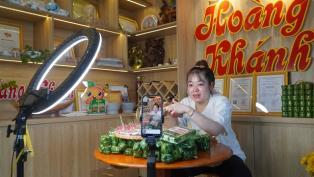
The city is developing the country’s “One Commune – One Product (OCOP) programme, which serves as a key driver of rural economic development.
It aims to recognise at least 103 new OCOP products rated three stars or higher this year.
It is focusing on improving the quality of OCOP products, developing tourism-linked products, upgrading ratings and strengthening trade promotion.
OCOP products are being linked to raw material areas, brand building and market expansion.
Many OCOP products have already reached wider markets, with some meeting export standards and contributing to higher economic value.
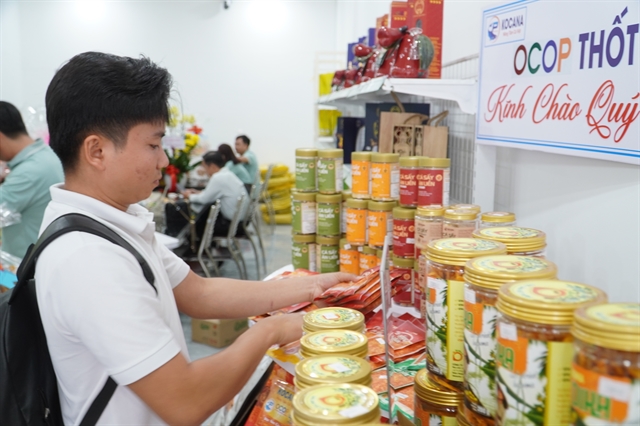
Trần Phú Lộc Thành, deputy director of the city Department of Agriculture and Environment, said: “Developing OCOP products is a key task to enhance value chains and strengthen the brand of key agricultural products.”
The department has proposed 10 solutions to develop OCOP products, including developing raw material areas, improving quality, standardising production, applying high technology, investing in packaging and branding, promoting e-commerce and linking products with tourism.
The city currently has 903 OCOP products, ranking fourth in the Mekong Delta. — VNS