Aiming for sustainable growth in the private sector: deputy ministry
Vietnamese enterprises, particularly SMEs, are dealing with several challenges, including weakening global demand, rising input costs and sharp fluctuations in international financial and monetary markets, according to Deputy Minister of Finance Nguyễn Đức Tâm.
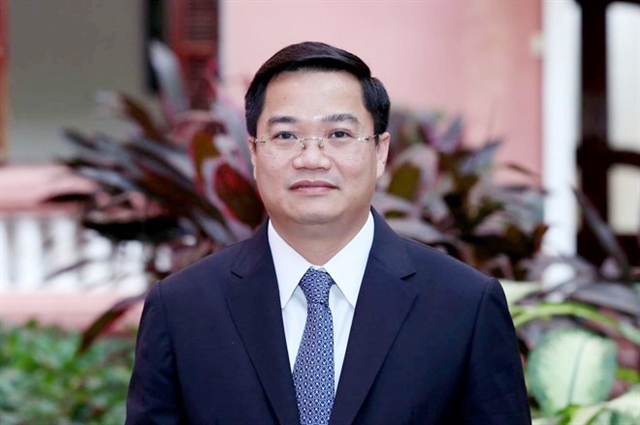
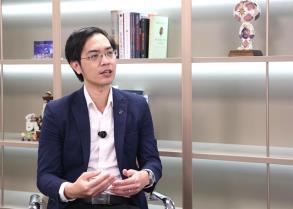
The Politubro's Resolution No 68-NQ/TW on private sector development created renewed confidence and momentum for Việt Nam’s private business community. Deputy Minister of Finance Nguyễn Đức Tâm shared his views with the Vietnam News Agency on issues that need to be addressed to strengthen their capacity and ensure sustainable growth in the coming period.
How do you assess the current performance of Vietnamese enterprises, particularly small and medium-sized enterprises (SMEs), amid ongoing volatility in the global economy?
Việt Nam’s business community has shown strong resilience and adaptability as the global economy continues to face complex and unpredictable developments.
Vietnamese enterprises, particularly SMEs, are dealing with several challenges, including weakening global demand, rising input costs and sharp fluctuations in international financial and monetary markets. Pressures related to capital, orders and cash flow have also intensified. These difficulties have affected operations across many sectors, forcing some enterprises to scale back or temporarily suspend activities.
Despite this, most businesses have made strong efforts to maintain operations, protect jobs and gradually restore growth. Many SMEs have strengthened financial management, restructured their business models, diversified markets and cut operating costs. They are also adopting new technologies, accelerating digital transformation and integrating more deeply into domestic and global supply chains.
The issuance of Resolution No 68-NQ/TW on May 4, 2025 has also helped boost confidence and create fresh momentum for the private sector. The number of newly established enterprises and those returning to the market has increased significantly.
On average, more than 18,000 enterprises were established each month, while over 12,000 resumed operations. In January 2026 alone, around 54,000 enterprises entered or re-entered the market, up roughly 62 per cent compared with the same period last year. Nearly 1,000 household businesses also converted into enterprises during the month, accounting for about 25 per cent of all such conversions recorded in 2025.
How do you assess the impact of the State’s support policies for businesses, particularly SMEs and what internal challenges need to be addressed to improve resilience and ensure sustainable growth?
Government support measures - including fiscal policies, tax and fee reductions, credit support and efforts to improve the business environment - have played an important role in helping enterprises overcome difficulties, improve liquidity and restore market confidence.
However, the internal capacity of many SMEs remains limited. Their resilience to external shocks is relatively weak, linkages within value chains remain modest and there is considerable room for further innovation.
In 2026, under assignments from the Government, the Ministry of Finance will focus on reviewing and comprehensively amending the Law on Support for Small and Medium-sized Enterprises. The aim is to fully institutionalise the major orientations set by the Politburo and create more effective support mechanisms for SMEs.
What are the main barriers preventing household businesses from converting into formal enterprises?
The private sector, including household businesses, is playing an increasingly important role in economic growth. With their large numbers, household businesses are a key source for achieving the goal of two million enterprises by 2030.
In practice, however, the pace of conversion from household businesses into enterprises remains slow due to several barriers.
One major concern is the perceived increase in tax obligations and compliance costs. Many household businesses believe that becoming an enterprise would require more complex accounting systems, invoicing procedures, bookkeeping and reporting requirements, along with stricter tax obligations.
Limited management capacity and legal knowledge also pose challenges. Most household businesses operate on a small, family scale. Many lack experience in corporate governance, financial and accounting management, labour regulations and legal procedures, which makes the transition to a formal enterprise structure seem risky.
Access to credit and markets is another concern. Even after converting into enterprises, many businesses do not immediately see clear advantages in obtaining capital, land or new market opportunities, which weakens incentives to make the transition.
Administrative procedures also remain a psychological barrier. Although reforms have been implemented, many household businesses still view procedures related to business establishment, tax declaration and reporting as complicated and time-consuming.
What policy measures will the Ministry of Finance introduce in 2026 to encourage this transition, particularly in areas such as taxation, credit access and administrative procedures?
First, the ministry will review and improve the legal framework governing household businesses. The goal is to narrow the gap in governance structures and financial and accounting regulations between household businesses and enterprises, creating a clearer transition pathway.
Second, the ministry will accelerate preparations to abolish the lump-sum tax regime for household businesses starting January 1, 2026. This measure aims to enhance transparency in business operations, promote fair competition and encourage household businesses to shift toward the enterprise model.
Third, existing support policies will continue to be implemented and refined, particularly those stipulated in National Assembly Resolution No. 198/2025/QH15 dated May 17, 2025. These include exemptions from corporate income tax in the initial years after establishment, the removal of business licence fees, support for credit access and the provision of free digital platforms and shared accounting software to reduce costs and risks during the transition period.
In 2026, the Ministry of Finance will also conduct a comprehensive review and revision of the Law on Support for Small and Medium-sized Enterprises, including policies aimed at strengthening business capacity and supporting household businesses in their transition to enterprise status.
Communication, advisory services and management training programmes will also be expanded to help household businesses better understand the long-term benefits of operating as enterprises and gain the confidence to make the transition.
Encouraging household businesses to convert into enterprises is not about tightening management, but about opening up greater opportunities for development. Once they become enterprises, businesses will gain better access to capital, markets, technology and State support policies. This will help them operate more transparently, efficiently and sustainably. VNA/VNS