Trade Office in Israel updates on trade situation amid escalating tensions
The Vietnamese Trade Office in Israel has advised domestic exporters to closely monitor developments and take precautionary steps to proactively respond to potential risks as tensions escalate in the Middle East.
HÀ NỘI — The Vietnamese Trade Office in Israel has advised domestic exporters to closely monitor developments and take precautionary steps to proactively respond to potential risks as tensions escalate in the Middle East.
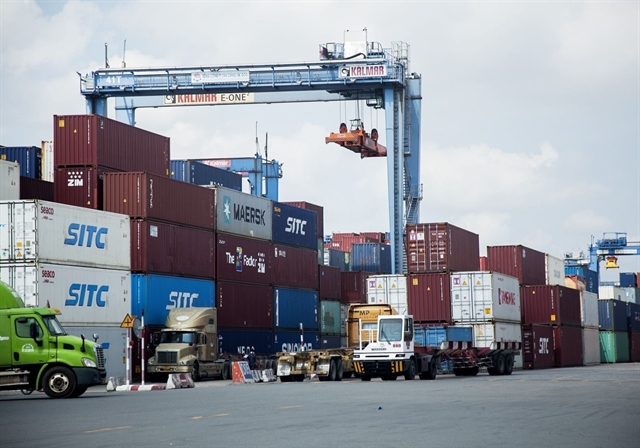
According to Lê Thái Hòa, Trade Counsellor at the Việt Nam Trade Office in Israel, the Israeli market and the broader Middle East region are currently facing security and political instability. Israel has closed its airspace and declared a nationwide state of emergency. Airlines have suspended all flights to and from Israel, although seaports continue to operate.
The office recommended maintaining regular contact with shipping lines and buyers, particularly for cargo already in transit, to promptly address issues related to import-export contracts and minimise potential losses. Businesses were also urged to insure shipments against unforeseen risks.
In addition, exporters were encouraged to diversify supply sources and seek alternative markets with similar demand to reduce reliance on the Middle East and cushion the impact of any prolonged disruption to trade flows.
Earlier, the Ministry of Industry and Trade has urged industry associations and enterprises to take proactive measures amid escalating tensions in the Middle East that threaten to disrupt transport routes and increase logistics costs.
The ministry warned that global prices for fuel, crude oil and consumer goods could rise in the near future, indirectly affecting Việt Nam’s production, import-export activities and trade ties with partners in the region.
Higher fuel prices are expected to drive up sea freight and air cargo rates, with direct implications for shipping routes to the Gulf. Transport through the Strait of Hormuz has reportedly been severely disrupted following airstrikes targeting Iran, raising concerns over supply chain stability.
In response, the ministry’s Agency of Foreign Trade has asked export-import and logistics associations to closely monitor developments and maintain regular communication with State management agencies to provide timely updates to their members.
Enterprises are advised to proactively adjust production plans and organise import-export and transport activities to avoid congestion and reduce potential losses linked to the conflict. — VNS