Bắc Ninh to promote lychee consumption
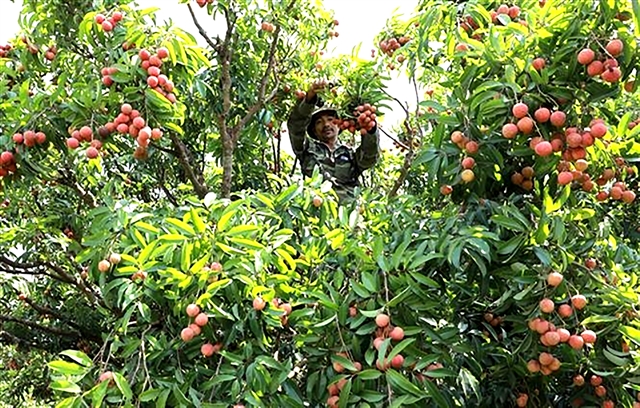
The province’s total lychee cultivation area is 29,800 hectares this year, with estimated output of about 95,068 tonnes.
HÀ NỘI — Bắc Ninh is stepping up efforts to promote lychee consumption and secure stable markets for the 2026 season.
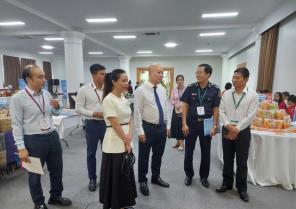
The Department of Industry and Trade of Bắc Ninh organised a conference on Tuesday to assess production, forecast the market and sign cooperation agreements for lychee consumption.
The province’s total lychee cultivation area is 29,800 hectares this year, with estimated output of about 95,068 tonnes, equivalent to around 59.5 per cent of the planned 160,000 tonnes.
The area of lychee production meeting VietGAP safety standards is 17,500 hectares, accounting for 58.7 per cent of the total, with an estimated output of 55,700 tonnes, equivalent to 58.6 per cent of total production.
Lychee cultivated under GlobalGAP standards covers 255 hectares, with an estimated output of around 1,500 tonnes. In addition, there are 10 hectares of organic lychee production models.
Lychee production in Bắc Ninh faces difficulties this year, with output expected to decline sharply compared to last year due to unfavourable weather conditions.
To proactively promote lychee consumption, the provincial Department of Agriculture and Environment has actively connected and worked with several enterprises such as Amway, Rồng Đỏ, Toàn Cầu and Dragon Garden to discuss export purchasing demand, quality standards and consumption plans.
So far, a number of companies have signed contracts to purchase lychees in the province, including Amei, Drogen Bery, Toàn Cầu and Vifoco.
At the conference, representatives from farmers, processing and export enterprises, logistics companies, supermarkets, e-commerce platforms and local authorities discussed potential, challenges and proposed solutions to enhance lychee consumption amid increasing competition and higher quality requirements.
Nguyễn Xuân Việt, director of Vifoco Import-Export JSC, proposed strengthening value chain linkages and deep processing. The company seeks long-term purchasing contracts to ensure stable output for farmers but emphasises the need for strict compliance with safety standards, pesticide residue control and traceability to meet export market requirements.
The company also aims to coordinate closely with logistics providers to optimise cold supply chains, shorten transport time and maintain fruit quality. It is ready to supply both fresh and processed products and hopes retailers will prioritise shelf space and promotional activities for local agricultural products.
Lã Mạnh Hoàng, deputy director of Viettel Logistics, said the company had supported lychee distribution for many years.
Due to the short harvest and selling period, logistics is under significant pressure. The company has deployed over 200 refrigerated containers, carried out more than 500 trips and transported about 10,000 tonnes of lychees.
It has added 120 more refrigerated containers this year, bringing the total to over 300 to ensure efficient and sustainable distribution.
Phạm Văn Thịnh, vice chairman of the Bắc Ninh People’s Committee, emphasised that lychee was a key crop generating significant economic value and livelihoods for tens of thousands of households.
Maintaining cultivation areas, expanding certified production zones, applying modern techniques and building value chains had helped lychees maintain the domestic market and expand exports to China, Thailand, Japan, the EU and the US.
The provincial government had established a steering committee and task forces to promptly address challenges and support the lychee season this year.
Authorities would continue coordinating trade promotion, supply-demand connections and support for businesses, cooperatives and farmers throughout the season to ensure product quality, food safety and high income for producers. — VNS