Tax authorities warn cash-only payments may signal tax evasion
Tax authorities have warned that some businesses asking customers to pay only in cash may be attempting to conceal revenue and evade taxes.
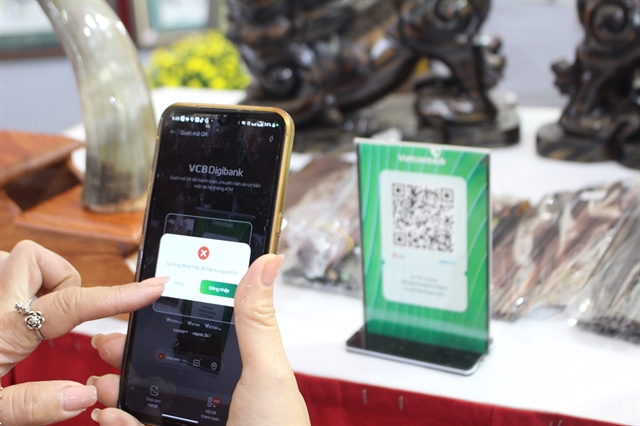
HÀ NỘI — Tax authorities recommend that taxpayers adopt transparent payment methods, prioritise non-cash transactions and fully declare revenue from business activities, warning that some businesses asking customers to pay only in cash may be attempting to conceal revenue and evade taxes.
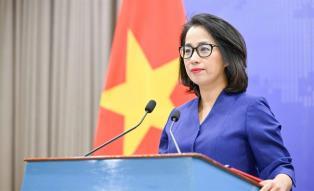
Vũ Mạnh Cường, head of the Hà Nội Tax Department, said transparent business operations, honest declarations and full tax payments are both the responsibility of citizens and the foundation for a sustainable business environment.
“Compliance with tax regulations is not only an obligation but also reflects the reputation and business culture of individuals and organisations,” Cường said, adding that authorities would strictly handle violations and tax evasion.
Tax authorities will intensify inspections in person and in the digital environment. Data connections and cross-checking among banks, e-commerce platforms, logistics providers, payment service providers and the electronic invoicing system will help determine actual business revenue.
Economic expert Nguyễn Trí Hiếu said that as tax management data systems become more comprehensive, practices such as splitting revenue, prioritising cash payments, using relatives’ bank accounts to receive money or mislabelling transfer contents may be detected and violators may face substantial fines or even criminal charges.
Refusing bank transfers or misreporting transaction contents not only violates regulations but can also harm the broader economy, experts warned. Such practices may lead to State budget losses, create unfair competition between compliant and non-compliant businesses and potentially facilitate illegal activities such as money laundering or financial fraud.
The current tax framework aims to improve transparency and encourage non-cash payments.
For organisations and enterprises, purchases of goods or services worth VNĐ5 million (US$196) or more can only be deducted for input VAT and counted as deductible expenses for corporate income tax if non-cash payment documents are available.
Similarly, for household and individual businesses, actual expenses related to production and business activities valued at VNĐ5 million or more are only considered deductible when determining taxable income if supported by non-cash payment documentation.
From March 1, household businesses can no longer use personal bank accounts to receive payments for sales but must open bank accounts under the exact name stated on the household business registration certificate.
The Prime Minister issued an official dispatch on July 30, 2025 asking ministries and localities to accelerate the adoption of non-cash payments and strictly address tax evasion.
Under the Law on Tax Administration and regulations on invoices, sellers must issue invoices when providing goods or services regardless of whether buyers request them.
Tax authorities recommend that taxpayers adopt transparent payment methods, prioritise non-cash transactions and fully declare revenue from business activities. Consumers and organisations should choose transparent payment methods and request invoices when purchasing goods or services.
Tax authorities will continue strengthening communication and support for household and individual businesses to comply with tax and e-invoice regulations while enhancing data analysis and monitoring to promptly detect and strictly address acts of revenue concealment and tax evasion. — VNS