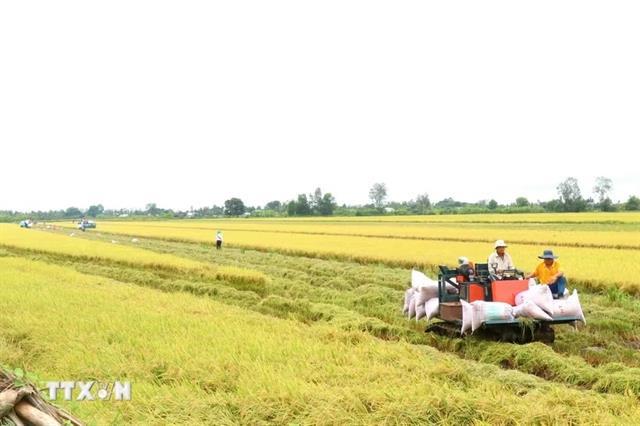
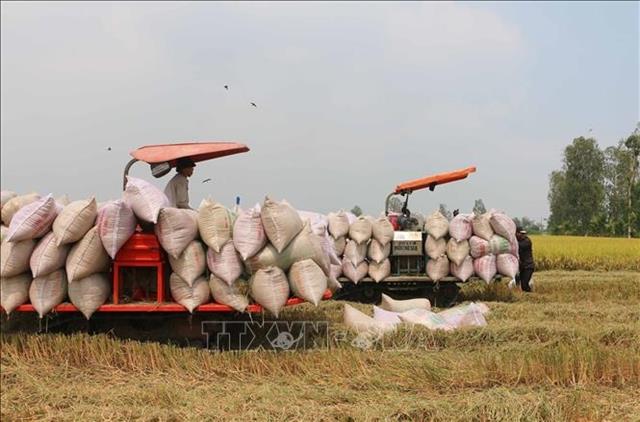

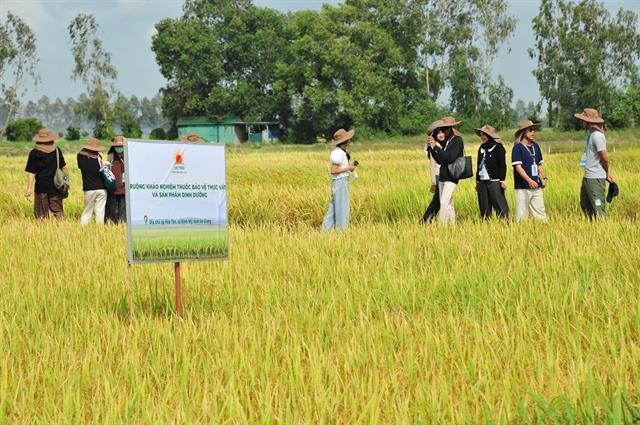

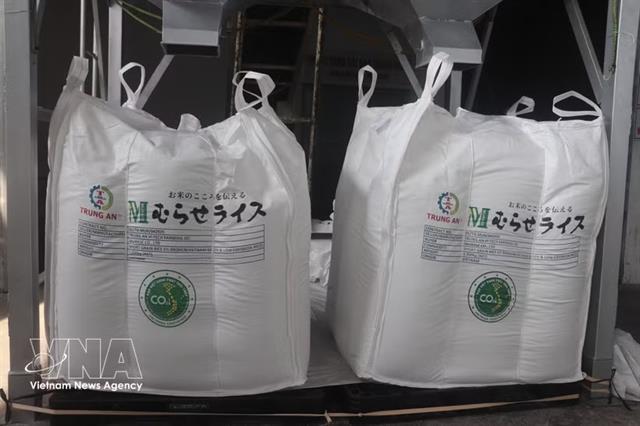
The GoRice project aims to improve the socio-economic and environmental well-being of rice farmers in the Mekong Delta through sustainable and climate-resilient rice production practices.
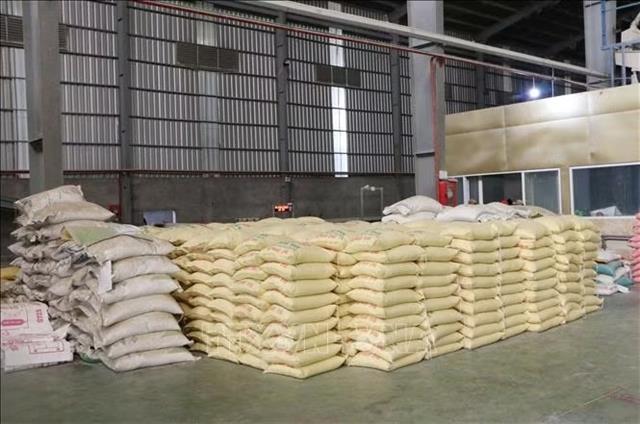
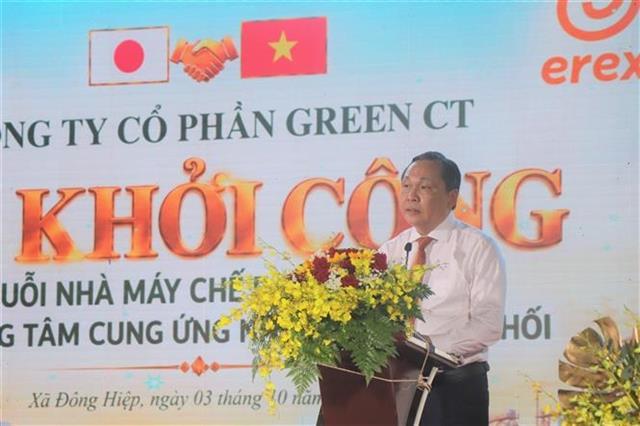
The project will use modern processing technology to improve the quality of export rice while making use of rice husks, a major by-product of milling, as biomass fuel.
While the Philippines offers strong near-term demand, the Vietnamese rice industry faces pressure to improve quality and diversity markets to sustain sustainable exports.
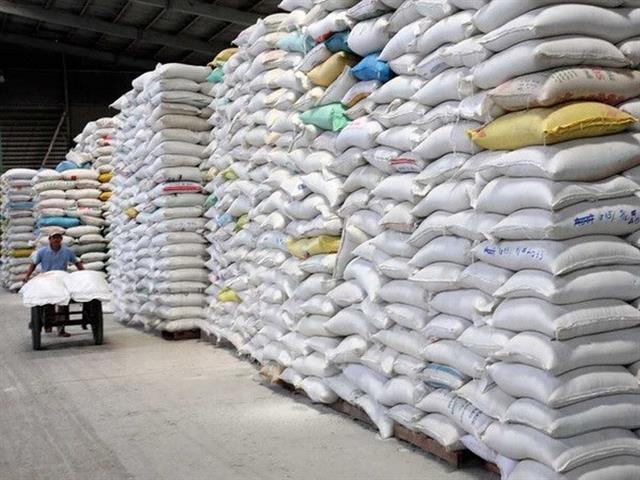
The total rice export value is forecast at around US$3.94 billion for this year, down about 4 per cent from last year due to low average export prices in the first months of the year.
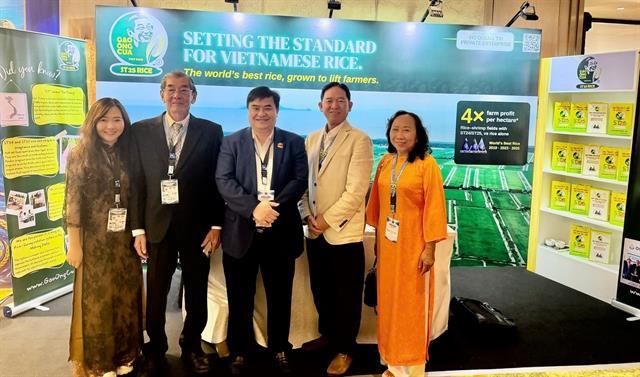
The event aims to showcase Việt Nam’s rice industry, promote its rice heritage, strengthen the country’s position in global food security, and develop a sustainable rice value chain.
The association particularly urged businesses to buy fragrant and high-quality varieties, such as DT8 and OM18, at prices of VNĐ7,000 (US$0.27) per kilogramme or higher.
VCCI said that many regulations governing rice exports in the drafts still pose potential market entry barriers, thereby reducing competitiveness and increasing costs for businesses.
At the meeting with SunRice, the two sides discussed the group’s operations in Việt Nam, orientations for expanding investment, and cooperation opportunities to develop a sustainable rice value chain in the Mekong Delta.
Loc Troi Seeds has signed a cooperation deal with the Myanmar Rice Federation to expand exports of Vietnamese rice varieties and agricultural technology, marking a shift towards higher-value agricultural cooperation.
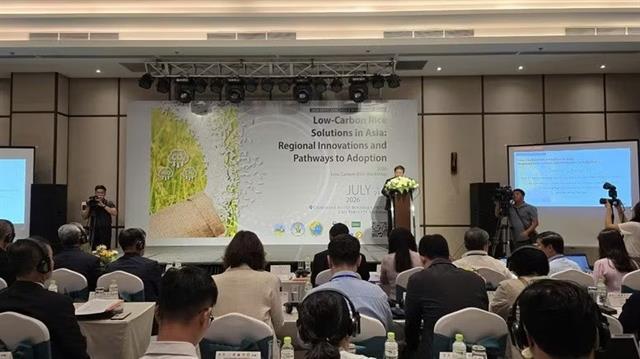
Rice production supports more than 3.5 billion people worldwide, with Asia accounting for 90 per cent of global output. Việt Nam harvested about 43.5 million tonnes of paddy and exported 8.3 million tonnes of rice in 2023.
SunRice Group – Australia’s largest rice producer and distributor – plans to increase the capacity of its rice processing plant in Việt Nam''s Đồng Tháp Province to 120,000 tonnes per year.