
Minister of Industry and Trade Lê Mạnh Hùng said that the power system is expected to face mounting pressure in 2027, with conditions potentially becoming more challenging in 2028.
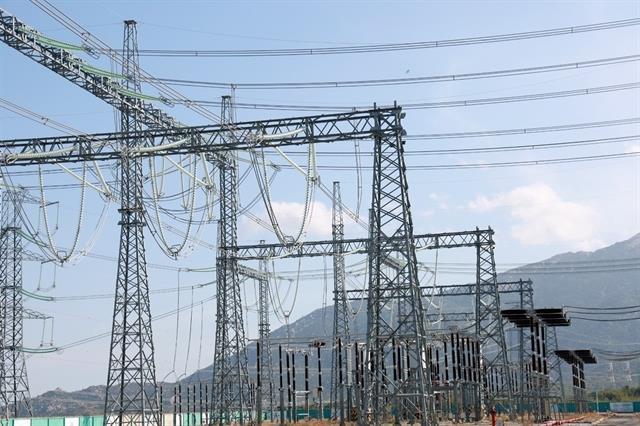
The push to secure coal-fired power comes as Việt Nam faces mounting risks of electricity shortages, particularly in the industrialised north, where demand is rising and major generation and transmission projects have fallen behind schedule.
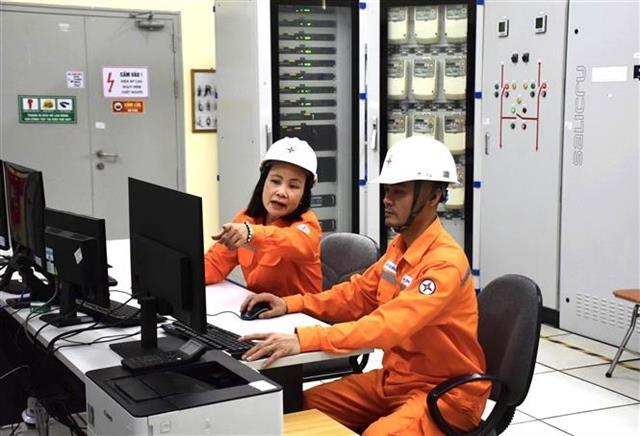
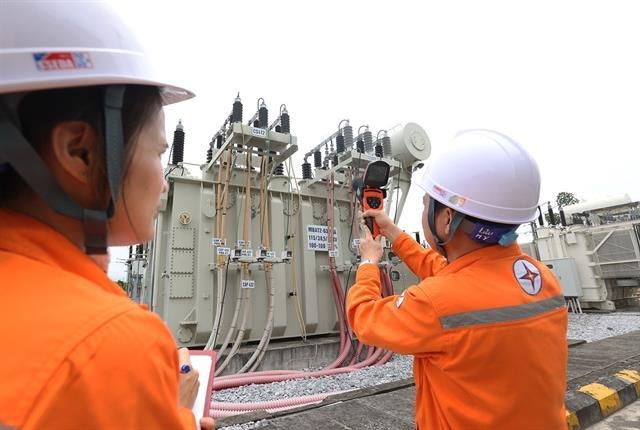
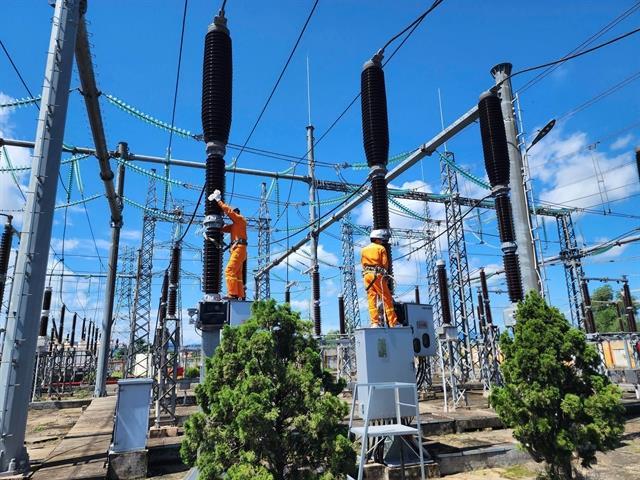
EVNHANOI is using AI-powered thermal cameras to monitor substation equipment in real time, detect overheating and prevent power outages, supporting Việt Nam’s digital transformation goals under Resolution No 57-NQ/TW.
Việt Nam has cut its average retail electricity price by 2 per cent from November 1, 2026, while replacing its six-tier household electricity tariff with a five-tier structure, in a move aimed at easing production costs and simplifying electricity billing.
Việt Nam will cut its average retail electricity price by 2 per cent to VNĐ2,159.90 per kWh (excluding value added tax) from November 1, in a move aimed at easing energy costs for households and businesses and supporting economic growth,...
The reduction is aimed to comply with legal regulations concerning the mechanisms and timelines for adjusting average retail electricity prices, with the goal of supporting citizens and businesses and ensuring social welfare.
The PM also called for stronger electricity-saving measures, requiring annual savings of at least 3 per cent of national power consumption and at least 10 per cent during peak hot-weather months from April to July.
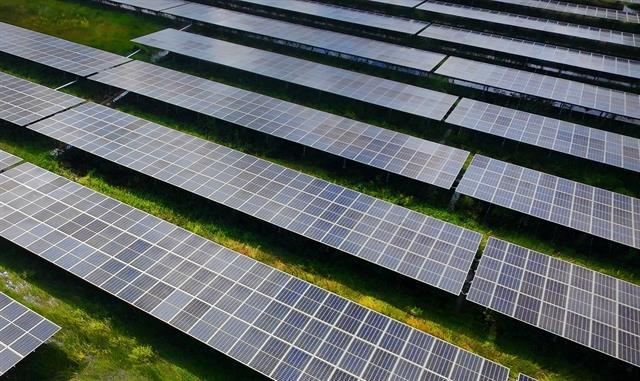
Battery energy storage systems are opening up new opportunities for rooftop solar power in Việt Nam, improving electricity efficiency and strengthening energy security.
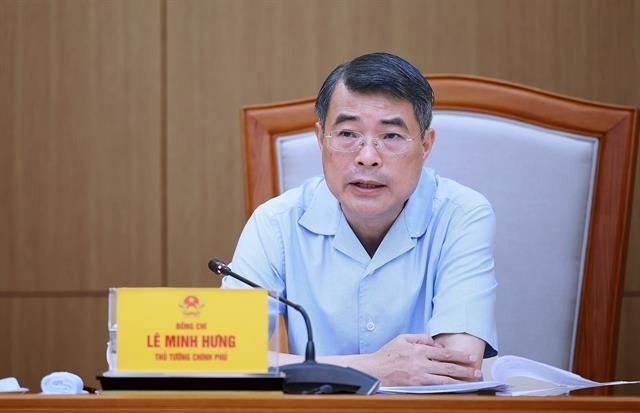
Stressing that ensuring energy security and a reliable power supply us critical as Việt Nam pursues double-digit growth, PM Hưng called on stronger determination and efforts to make necessary adjustments to the revised PDP8 to meet the rising demand.
The proposed restructuring would separate electricity generation, transmission, distribution and retail, according to Bùi Quốc Hùng, deputy head of the ministry''s Electricity Authority of Vietnam.
The plan outlines the restructuring of capital in EVN''s subsidiaries and the organisation of electricity generation, transmission, distribution and retail activities.
With a planned capacity of 495MW and an estimated investment of US$768 million, the project is expected to commence commercial operations by December 31, 2028.
Capital flows into AI and data centres are looking beyond location and prioritising infrastructure quality, developer capabilities and their ability to meet stringent operating standards.
The Ministry of Science and Technology has urged the Ministry of Industry and Trade to instruct EVN to implement the guidance on the application of electricity tariffs to data centres consistently nationwide and maintain uninterrupted electricity supplies to data centres.
Việt Nam faces rising risks of power shortages through the end of the decade as electricity demand from data centres, artificial intelligence (AI), semiconductor manufacturing and electrified transport is booming.