Power shortage risk rises as AI, data centres and rail drive demand
Việt Nam faces rising risks of power shortages through the end of the decade as electricity demand from data centres, artificial intelligence (AI), semiconductor manufacturing and electrified transport is booming.
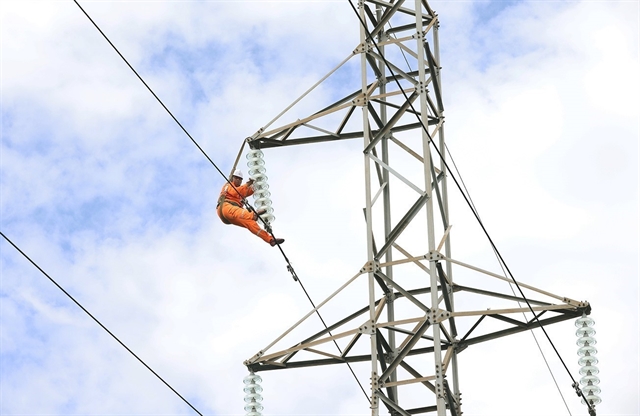
HÀ NỘI — Việt Nam faces rising risks of power shortages through the end of the decade as electricity demand from data centres, artificial intelligence (AI), semiconductor manufacturing and electrified transport is booming while some planned generation and grid projects struggles to be delivered as expected, the Ministry of Industry and Trade said.
The ministry is reviewing and updating the country's revised Power Development Plan VIII (PDP8), to reflect a rapidly changing demand structure and reassess whether planned generation and grid capacity will be sufficient through 2030 and beyond.
The review comes as the country targets rapid economic growth and seeks to attract electricity-intensive industries.
The ministry has asked provinces and cities to provide updated data on existing and planned power projects as well as emerging electricity demand, including data centres, AI facilities, electric-vehicle charging infrastructure, metro systems and the proposed North-South high-speed railway.
The request highlights a shift in power planning from simply estimating how much electricity will be consumed to determining where, when and at what reliability level that electricity will be needed.
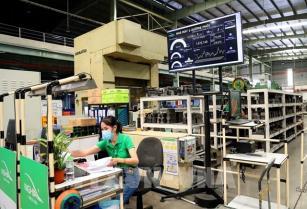
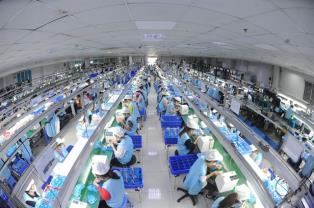
Data centres and AI facilities can require hundreds of MWs at a single location and operate around the clock. Semiconductor and high-tech manufacturing facilities also require highly reliable and stable power supplies, while electrified railways create large, geographically dispersed loads along transport corridors.
The ministry’s report showed the electricity supply is becoming increasingly strained between 2027 and 2030.
Việt Nam could face a shortfall of about 4,256 MW in capacity and 2.9 billion kWh in electricity in 2027.
The shortage is projected to rise to 20.7 billion kWh in 2028, 50.4 billion kWh in 2029 and around 61 billion kWh in 2030, underscoring the vulnerability of the power system, especially the northern region where rapid industrial expansion and the concentration of new high-demand projects could put additional pressure on both generation and transmission infrastructure.
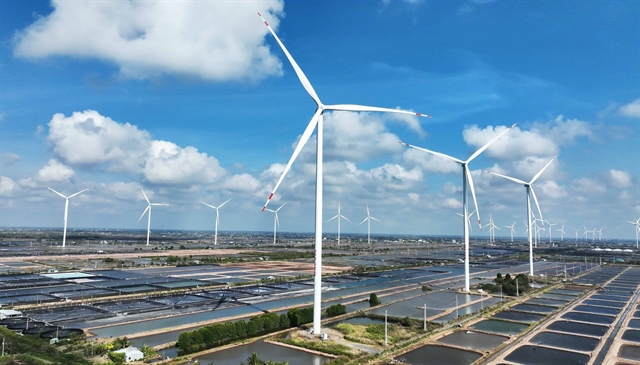
Meanwhile, the slow implementation of power and grid projects is creating risks to future power supply with a number of major projects hardly operational before 2030.
After roughly three years of implementing PDP8, projects that have entered operation account for only about 5 per cent of the planned generation capacity, according to ministry’s data. About 9 per cent of projects have started construction but are not yet operating, while 28 per cent have selected investors but have not broken ground. A further 12 per cent have received investment approval but have yet to select investors, while around 45 per cent have not received investment approval.
Transmission investment is also behind schedule. Of 43 major transmission projects scheduled for 2026-30, only 10 have entered construction.
LNG projects face additional obstacles, including volatile global fuel prices, financing difficulties and lengthy negotiations over power purchase agreements. The projects also require ports, LNG storage, regasification facilities and gas pipelines to be completed.
The Ninh Thuận 1 and Ninh Thuận 2 nuclear power projects, despite revived, still lack a clear implementation timetable, creating a potentially significant gap in Việt Nam’s power supply outlook beyond 2030, just as AI infrastructure and high-speed rail are expected to enter a period of rapid expansion.
Quick fix
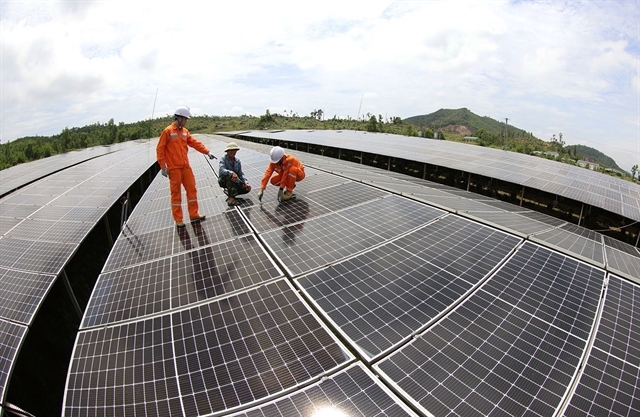
The ministry has proposed a series of measures to ease supply pressures in 2027-28, particularly in northern region.
It has proposed using State funds to install around 2,800 MW of rooftop solar at hospitals, schools and government offices, with completion targeted before June 2027.
Industrial and industrial-cluster facilities could also be encouraged to develop rooftop solar combined with battery energy storage systems (BESS), with a target of 3,000-5,000 MW before the 2027 and 2028 dry seasons.
The ministry has also proposed adding around 2-3 GW of battery energy storage to help meet peak-hour demand.
The ministry also stressed the need to put around 1 GW of additional generation into operation in 2027, followed in 2028 by 3 GW of solar and 2 GW of onshore and nearshore wind capacity from projects that already have investment approvals and selected investors.
For the long term, the ministry proposes adjustments to PDP8 to allow additional coal-fired generation projects to compensate for delayed baseload capacity, while adding renewable projects capable of being developed quickly.
Experts said electricity prices were not yet sufficiently attractive to investors and that prolonged inspections and reviews of projects had created uncertainty.
At a meeting in late August on major national and energy projects, Permanent Deputy Prime Minister Phạm Gia Túc called for obstacles to power projects to be removed promptly and for electricity supply to be sufficient to support socio-economic development, particularly the government's target of double-digit economic growth. — VNS