Ministry outlines measures to secure power supply in 2027-28
Minister of Industry and Trade Lê Mạnh Hùng said that the power system is expected to face mounting pressure in 2027, with conditions potentially becoming more challenging in 2028.
HÀ NỘI — The Ministry of Industry and Trade has outlined measures to ensure sufficient electricity supplies in 2027-28, as power demand is forecast to rise by around 10 per cent next year while delays in new baseload capacity and potential El Niño-related hydropower shortages threaten supply.
Minister of Industry and Trade Lê Mạnh Hùng said that the power system was expected to face mounting pressure in 2027, with conditions potentially becoming more challenging in 2028.
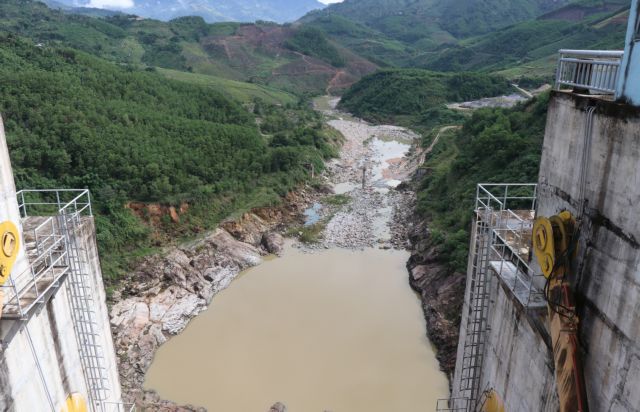
New baseload generation capacity might not come online quickly enough to meet rising demand, while an El Nino could disrupt rainfall and hydropower output through around June 2027.
Geopolitical uncertainty could further disrupt supply chains and push up the cost of imported coal and liquefied natural gas (LNG), adding to challenges already experienced by the power sector in 2026, Hùng said.
He stressed ensuring sufficient energy, particularly electricity, for economic development and people's daily needs must remain a priority under all circumstances.
The focus must be on finalising the national power system operating plan for 2027, taking into account 2028 and longer-term demand.
The measures also include maximising water storage at hydropower reservoirs ahead of the 2027 dry season, maintaining the available generating capacity of power plants, securing sufficient coal, gas and oil supplies for electricity generation, accelerating key power generation and transmission projects, adding peak-load capacity, strengthening electricity demand management, and clearly defining the responsibilities of relevant agencies to ensure effective implementation.
He called for coordinated action across the power sector, with clear responsibilities, deadlines and implementation plans. Projects identified as essential for operation in 2027 must meet their scheduled milestones, he said.
Hùng also called for faster adoption of digital twin technology in power system management, with implementation required no later than the first quarter of 2027.
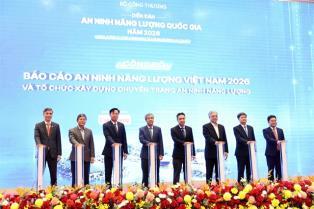
The National Power System and Market Operation Company (NSMO) has proposed establishing a steering committee to oversee electricity supply for 2027-28.
For hydropower, NSMO and the Electricity Authority of Việt Nam will work with the Ministry of Agriculture and Environment and local authorities to maximise reservoir storage by December 31, 2026, and maintain water levels through March 31, 2027.
Power plant operators have been instructed to prepare comprehensive operating, maintenance and repair schedules together with stricter operational discipline to prevent avoidable technical failures.
To secure fuel supplies, coordination is being hastened with state-owned Vietnam National Industry – Energy Group (PetroVietnam) PV GAS, the Vietnam National Coal and Mineral Industries Group (TKV) and other companies to align coal, gas and oil deliveries with power generation requirements.
Other priorities include completing mechanisms for additional imported LNG supplies, connecting the Cái Mép LNG terminal with the Thị Vải LNG terminal to facilitate earlier gas supply, and ensuring adequate coal and oil reserves ahead of the dry season.
The government will also accelerate major generation and transmission projects while calling for the development of battery energy storage systems (BESS).
The ministry also aims to reduce peak electricity demand in northern Việt Nam by at least 3,000 MW in 2027 through demand-response programmes and greater efficiency in industrial production, business operations and household consumption, particularly during peak hours.
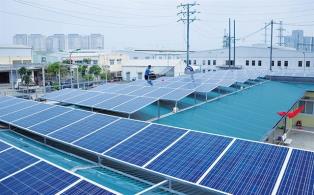
Under a document issued by Government Office on October 22, the Prime Minister called for faster development of power generation and grid infrastructure, wider deployment of self-produced and self-consumed rooftop solar, and greater use of energy storage systems.
The NSMO’s statistics showed that total electricity production and imports are estimated at 356.2 billion kWh in 2026, up 10.3 per cent from 2025 and approximately 6.2 billion kWh above the forecast in the base scenario.
Electricity demand in the fourth quarter is projected to increase by around 13 per cent nationwide and 14 per cent in the north, with growth approaching 20 per cent in some northern and north-central provinces. — VNS