


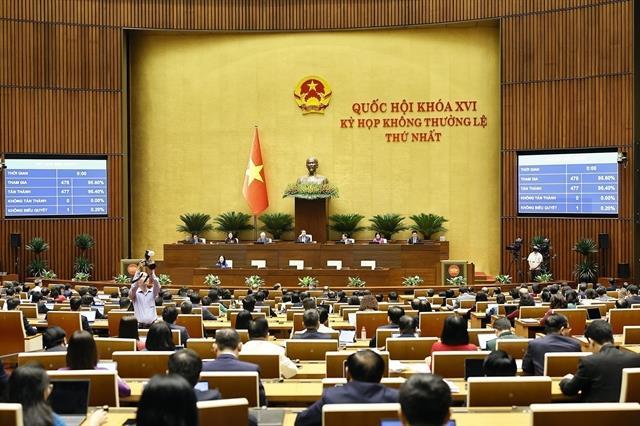
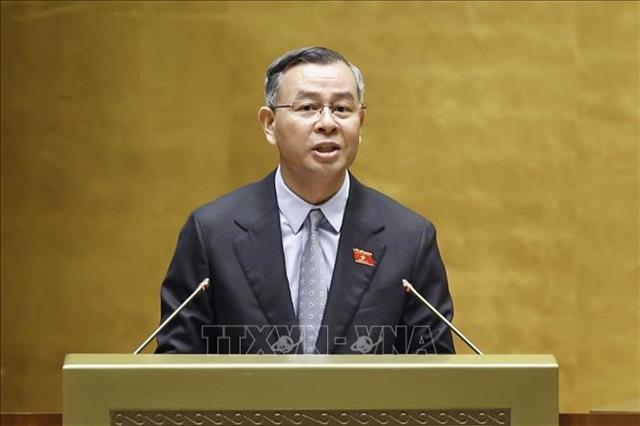

Under the proposal, the 0.2 per cent rate would apply to the entire area of land classified as abandoned, unused or put into use late, with no preferential threshold for land within prescribed limits.
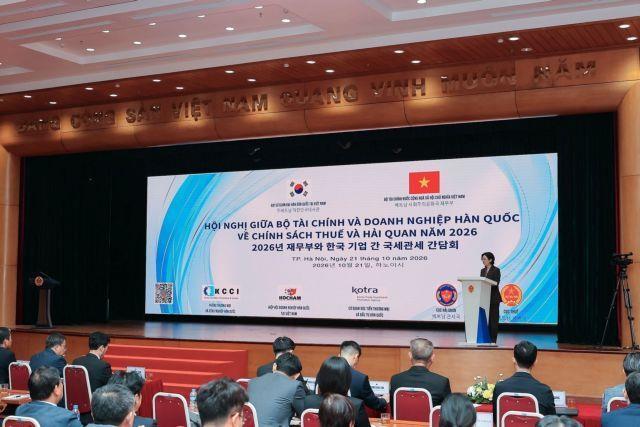
The annual tax and customs dialogue, held regularly since 2008, had provided an important channel for businesses to raise concerns and discuss practical solutions with regulators with policy discussions translated into concrete measures.
The challenge is not simply to reduce the tax burden, but to ensure that businesses turn the resources released into investment, innovation, jobs and higher productivity
A longside the increase in the annual revenue ceiling toVNĐ400 billion, the maximum total capital threshold is proposed to VNĐ150 billion from VNĐ100 billion
Cash payments are not in themselves a tax violation, but using them to conceal sales or avoid issuing invoices can lead to tax and invoicing penalties, experts said.
Taxation is not simply an expense for long-term investors who also need clear policies, predictable obligations and consistent implementation, as well as mechanisms for dialogue and resolving problems.
The General Department of Taxation and the National Credit Information Centre of Vietnam (CIC) have signed a cooperation agreement on exchanging and using data to a framework for closer information sharing between the tax and banking sectors.
Beyond data management, the clean-up is aimed at improving tax administration and prevent the misuse of legal entities for invoice trading, tax evasion and fraud.
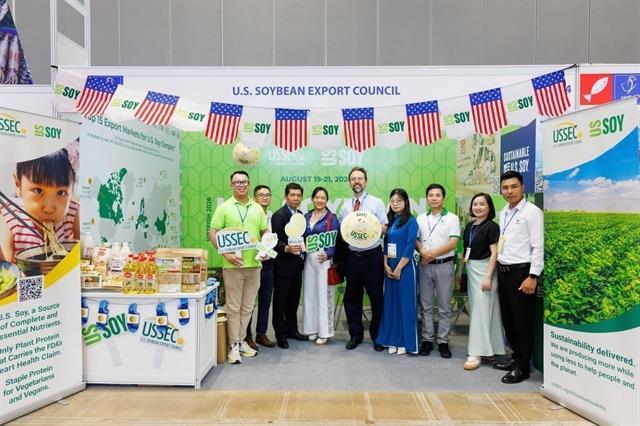
US soy is used directly in food products such as tofu, soy milk, soy skin and soy flour, while significant volumes are imported for use in feed for poultry, livestock and farmed seafood.
Individuals and businesses with annual revenue of no more than VNĐ10 billion (US$380,000) in 2026 and 2027 will be given a tax reduction of 30 per cent.
Thắng said the measure would initially reduce State revenue, but the lost revenue could be recovered in the longer term as household businesses and enterprises expand.
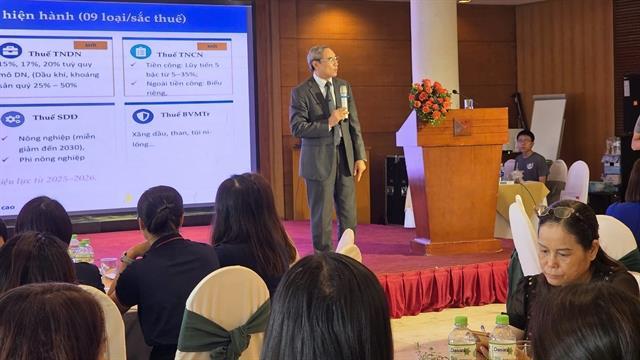
As tax policies change and tax administration becomes increasingly modern with greater application of digital technologies, businesses need to proactively new policies while standardising accounting books and supporting documents from within the enterprise.
According to the General Department of Taxation, the inspections focused on sectors and enterprises that showed signs of irregularities and possessed significant potential for tax collection.