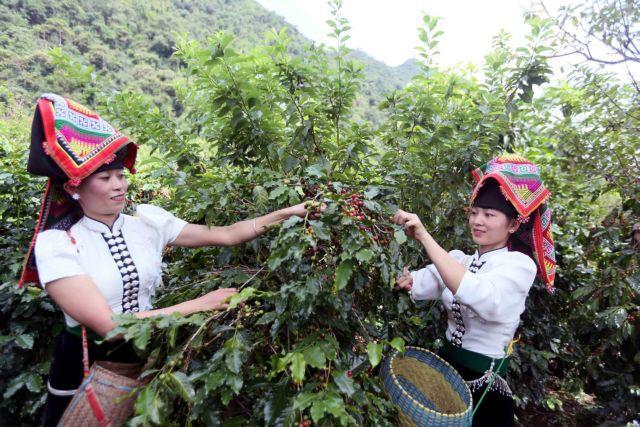

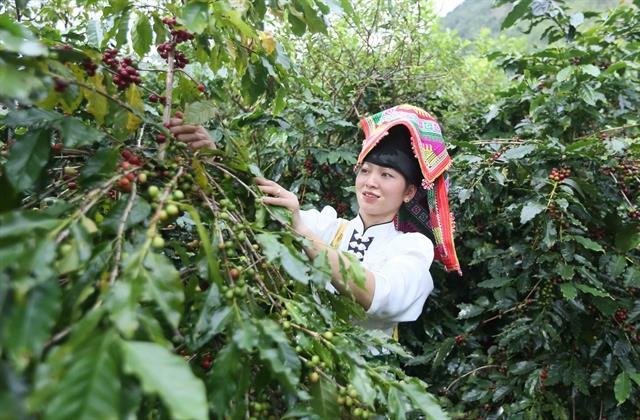
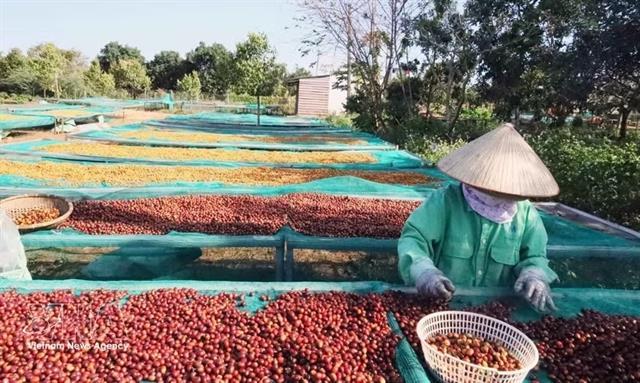


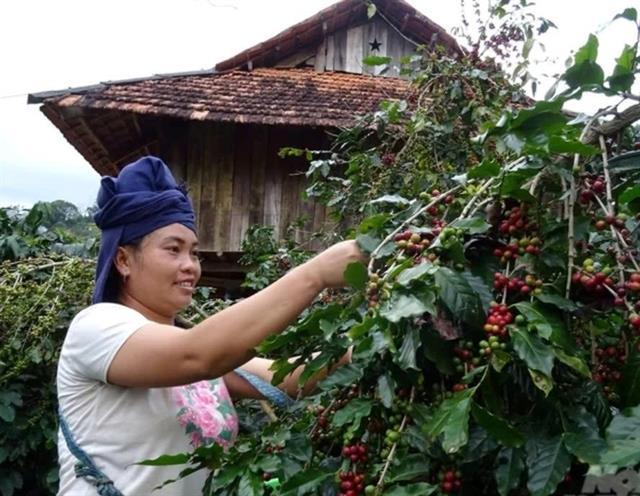

The project “Circular solutions for coffee MSMEs in Sơn La province” (CAFE-CIRCLE) aims to help more than 150 coffee businesses and cooperatives adopt circular production practices, reduce pollution and unlock new economic opportunities from coffee by-products.
The development of a domestic exchange is particularly significant for Việt Nam, which ranks among the world''s leading exporters of agricultural commodities such as coffee, pepper and rubber, yet remains largely dependent on overseas exchanges for price benchmarks.
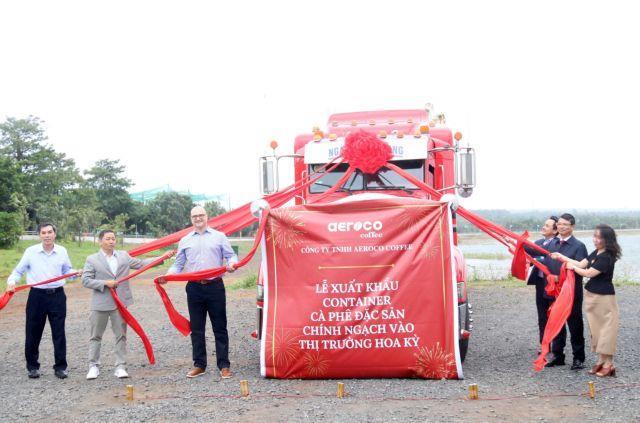
The shipment marks an important milestone in bringing Buôn Ma Thuột speciality coffee further into global trade networks and building a Vietnamese coffee brand based on product quality and value.
Since the Comprehensive and Progressive Agreement for Trans-Pacific Partnership (CPTPP) took effect, Việt Nam''s coffee exports to Canada have increased by around 300 per cent, from US$10 million to nearly $40 million.
Improving productivity requires a combination of suitable coffee varieties, healthy soil, efficient water management and knowledge-sharing among farmers.
Efforts have been hastened to accelerate digitisation of coffee growing areas and developing traceability data to meet increasingly stringent requirements in export markets.
Sơn La is strengthening trade links with international partners to expand markets for its Arabica coffee, improve value addition and raise export earnings to US$186 million by 2030.
The 3.43ha plant will have a designed capacity of 5,000 tonnes of green coffee beans a year, equivalent to around 25,000 tonnes of fresh coffee cherries.
Exports reached an estimated $56.3 billion in the first nine months, up 7.8 per cent from a year earlier, while the sector recorded a trade surplus of $16.9 billion, up 7.4 per cent, the ministry said.
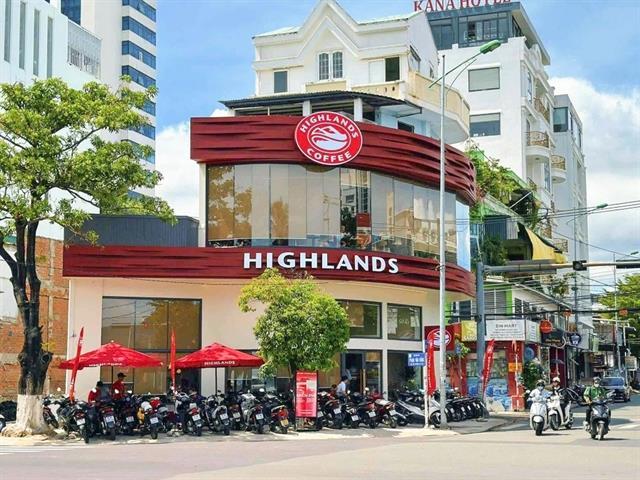
The latest ownership change comes as Highlands Coffee prepares for a planned initial public offering (IPO), which is expected to be completed in the first quarter of 2027.
Changes in anti-deforestation rules are important for Việt Nam whose timber, coffee and rubber supply chains are closely integrated with international markets.
According to the Vietnam Coffee Cocoa Association (Vicofa), Việt Nam exported nearly 1.7 million tonnes of coffee in the first eight months, earning more than US$6 billion.
Việt Nam is optimistic about achieving around US$9 billion in exports in 2026, supported by higher production, growing investments in value-added processing, and the advantages from complying with the European Union Deforestation Regulation.