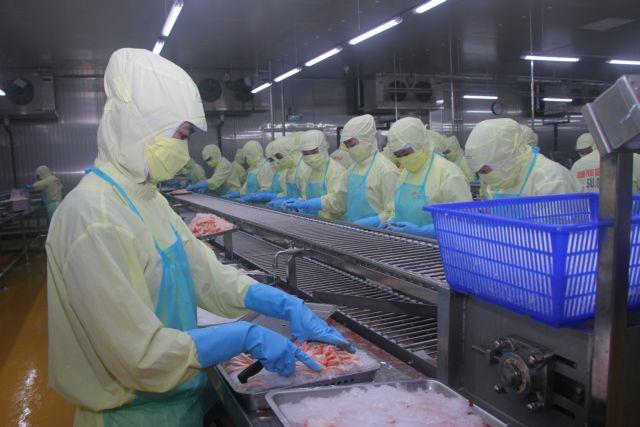
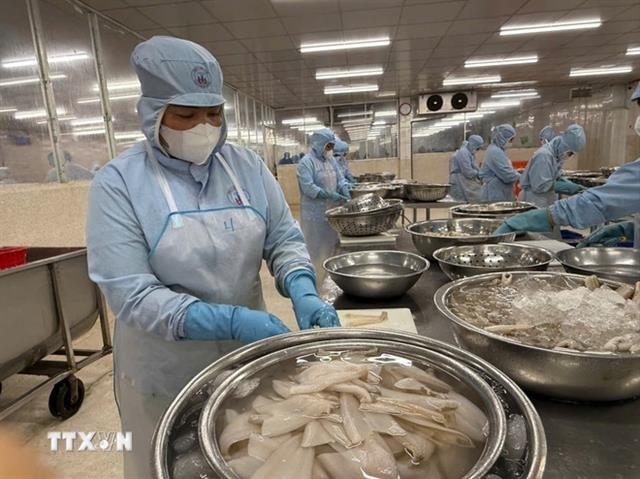
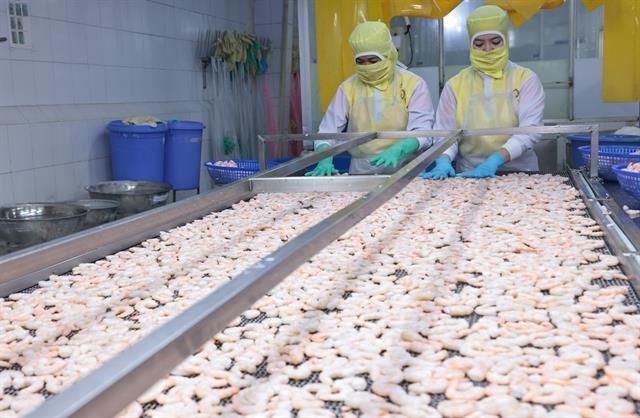
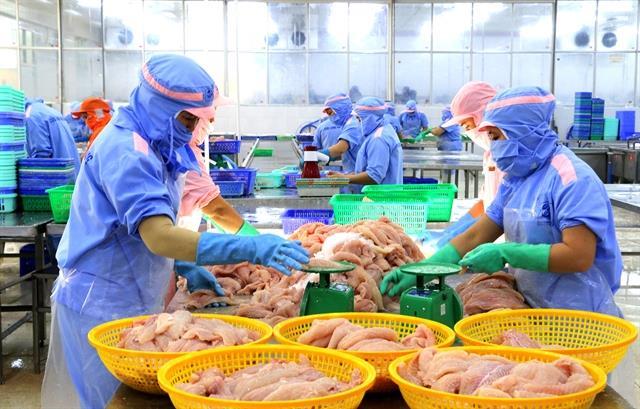
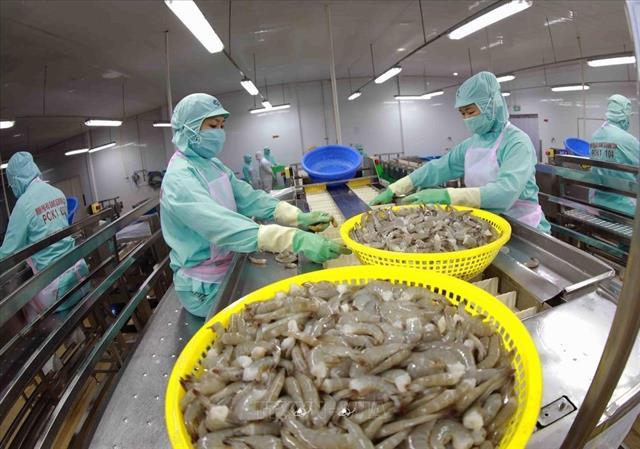

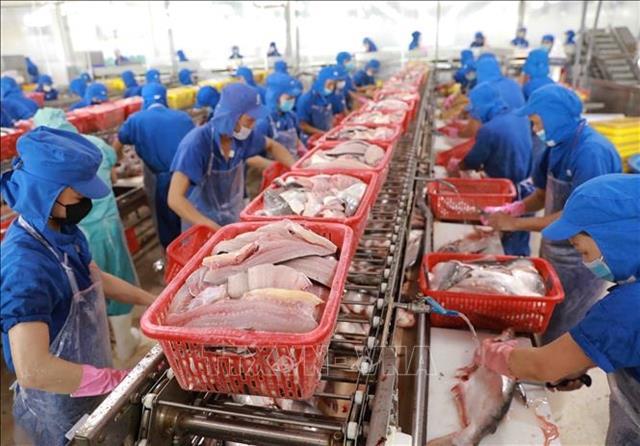
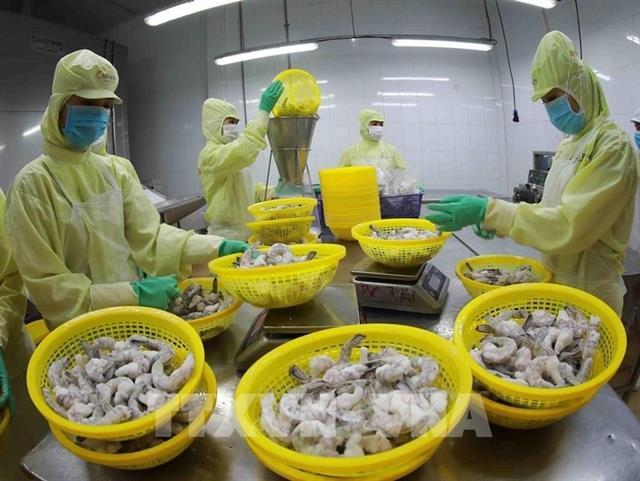
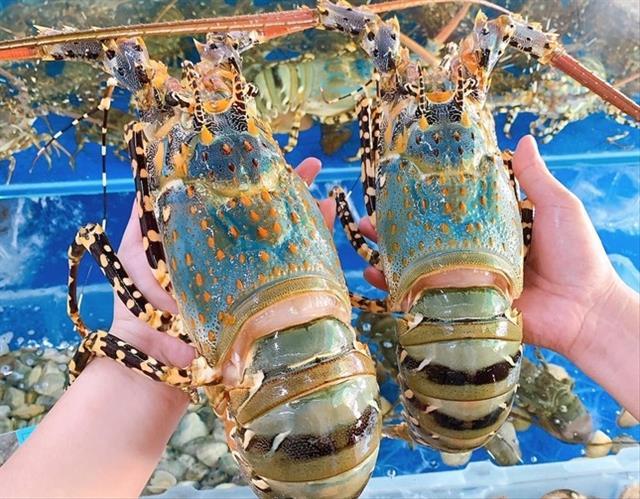
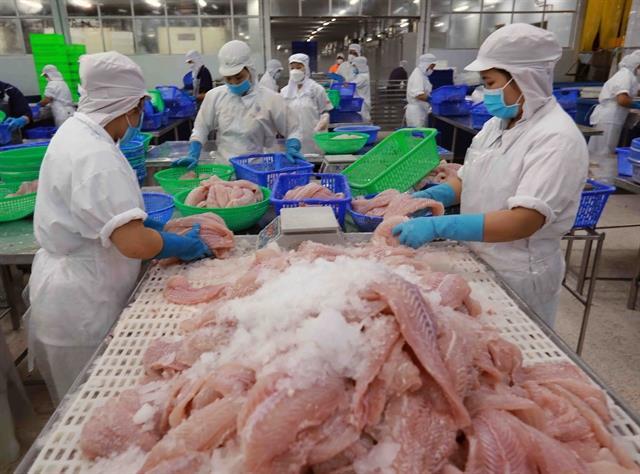
Global demand for aquatic products for food and non-food uses is projected to grow by 11 per cent over the next decade, driven largely by expanding aquaculture and rising consumption in developing markets, according to the Food and Agriculture Organisation...
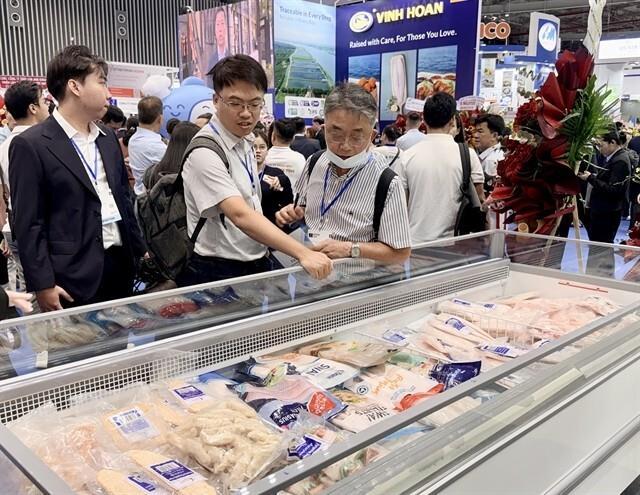
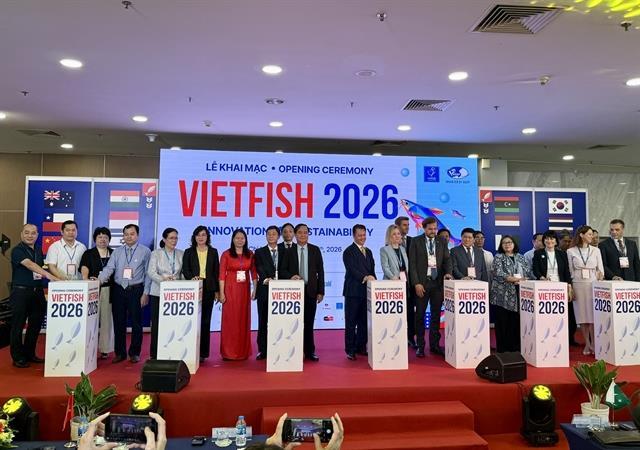
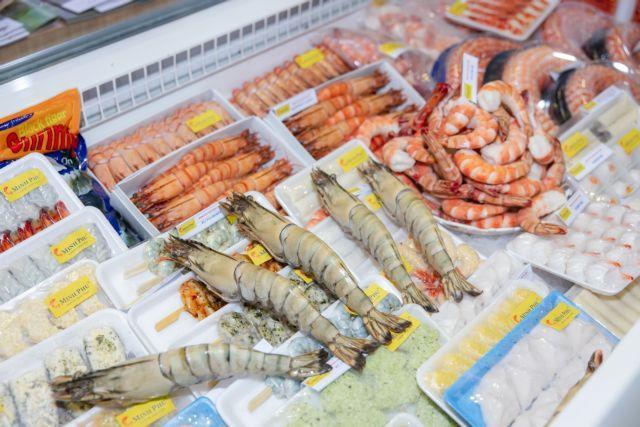
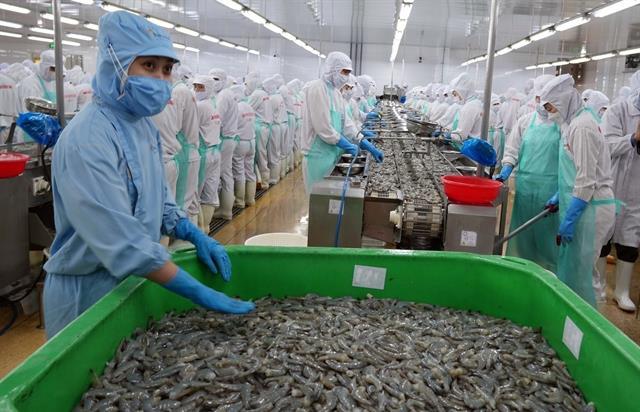
The Vietnam International Fisheries Exhibition (Vietfish 2026) opened at the Saigon Exhibition and Convention Centre in HCM City on August 19, bringing together businesses across the seafood value chain and showcasing the country’s production and processing capabilities.
The industry will have to contend with four major challenges: higher tariffs, stricter traceability requirements, rising input costs, and intensifying competition in key markets.
The FTA would widen access to markets with strong demand for premium food products in line with the country’s strategy of shifting exports towards increasing added value.
Việt Nam’s seafood exports reached US$2.64 billion in the first quarter of 2026, a year-on-year increase of nearly 8 per cent, maintaining positive growth despite signs of slowing momentum in March, according to the Việt Nam Association of Seafood Producers...
The seafood industry had been heavily impacted by surging freight costs, the risk of cold chain disruptions, localised supply shortages, and price volatility across various product segments.
Seafood exports to the US were estimated at US$96 million in January, falling by nearly 10 per cent over the same period last year, according to statistics of the Việt Nam Association of Seafood Exporters and Producers (VASEP).
Despite a challenging global environment, seafood exports topped US$11.3 billion in 2025, a 13 per cent rise from 2024 and in excess of the target, according to the Việt Nam Association of Seafood Exporters and Producers.
A notable reality is that many seafood companies face significant challenges when trying to return to the domestic market, which is considered highly promising with a population of over 100 million and growing consumer demand.