

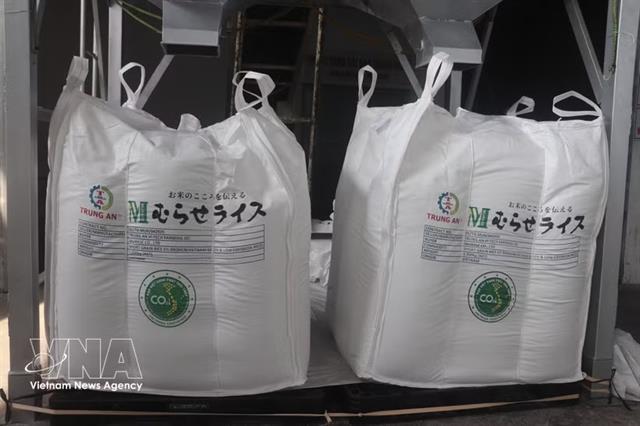
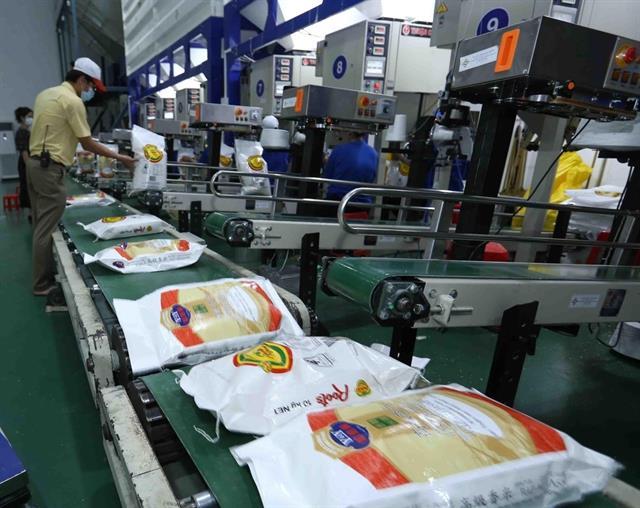
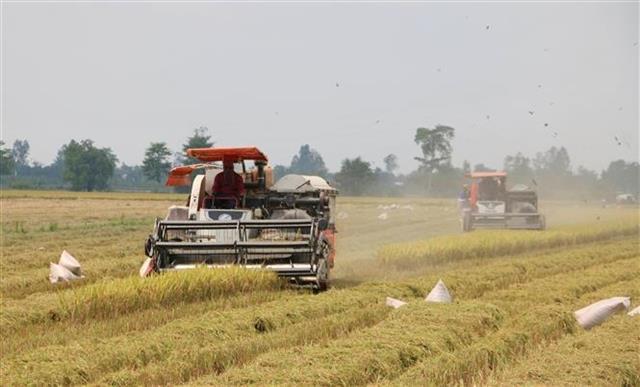
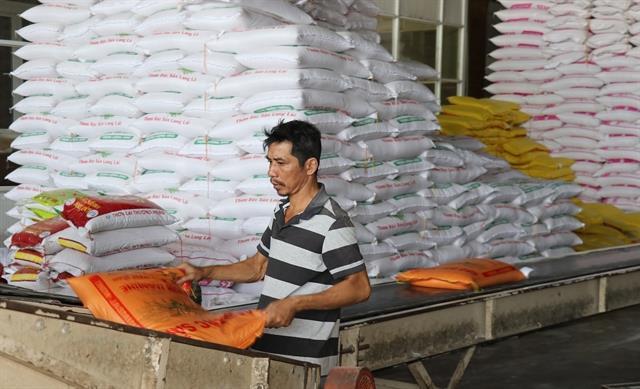
VCCI said that many regulations governing rice exports in the drafts still pose potential market entry barriers, thereby reducing competitiveness and increasing costs for businesses.
At the meeting with SunRice, the two sides discussed the group’s operations in Việt Nam, orientations for expanding investment, and cooperation opportunities to develop a sustainable rice value chain in the Mekong Delta.
Loc Troi Seeds has signed a cooperation deal with the Myanmar Rice Federation to expand exports of Vietnamese rice varieties and agricultural technology, marking a shift towards higher-value agricultural cooperation.
Rice production supports more than 3.5 billion people worldwide, with Asia accounting for 90 per cent of global output. Việt Nam harvested about 43.5 million tonnes of paddy and exported 8.3 million tonnes of rice in 2023.
SunRice Group – Australia’s largest rice producer and distributor – plans to increase the capacity of its rice processing plant in Việt Nam''s Đồng Tháp Province to 120,000 tonnes per year.
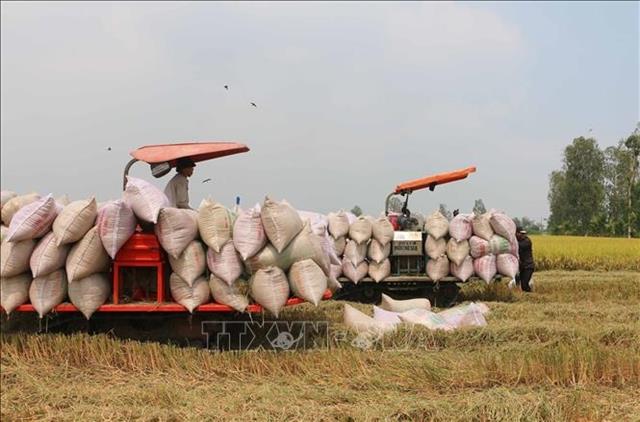
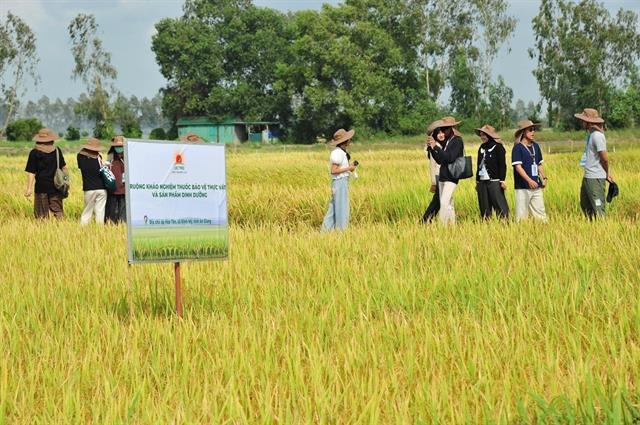
Falling prices dragged down Việt Nam’s rice export value in early 2026 despite steady volumes, as the sector shifts towards higher quality and greener production.
The investigation covers a wide range of rice products under AHTN Chapter 1006, including paddy, husked (brown) rice, semi-milled or wholly milled rice and broken rice.
Vietnamese fragrant rice, including 100 per cent broken rice, is widely available in Senegalese supermarkets in 5kg and 25kg packs, retailing at around US$1.3 per kg.
The Ministry of Industry and Trade is stepping up promotion of Vietnamese rice to expand markets, while closely tracking supply–demand trends, prices, and import policies in key destinations.
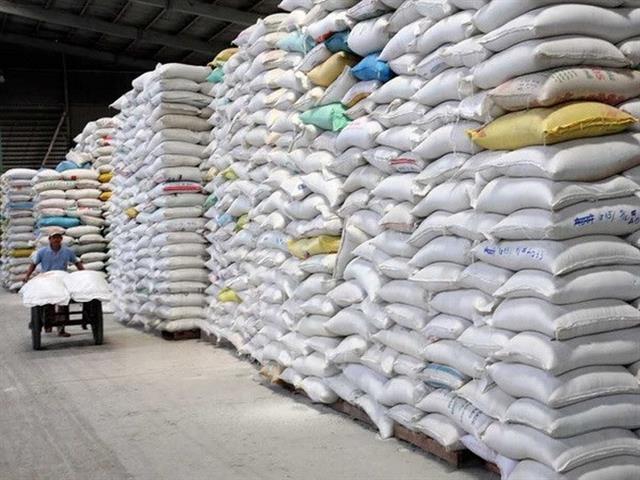
In the first two months of the year, rice exports reached 1.3 million tonnes valued at $599.3 million, up 5 per cent in volume but down 11.2 per cent in value compared with the same period last year.
Việt Nam exported an estimated 600,000 tonnes of rice worth US$370 million in January, up 12.4 per cent in volume and 16.9 per cent in value year-on-year.
The Philippines’ decision to slash rice imports during its peak harvest season is expected to pressure Vietnamese prices during the winter–spring harvest.