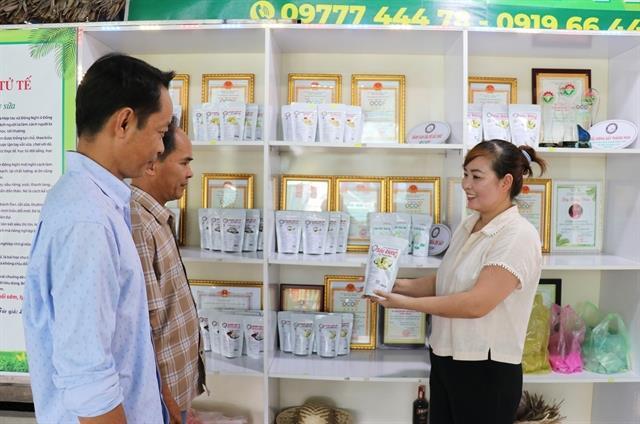
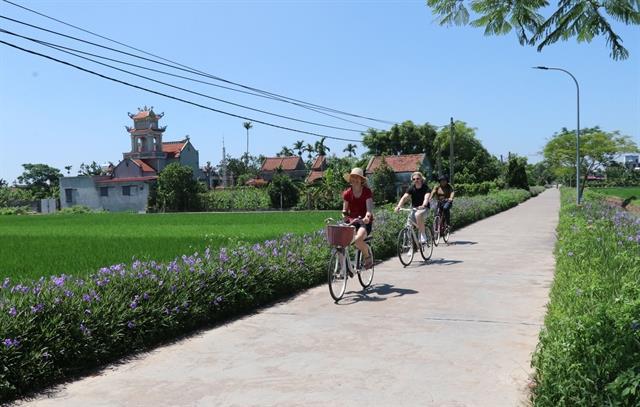
Đồng Tháp Province is expanding the national One Commune – One Product (OCOP) programme by linking local agricultural products with rural tourism and traditional craft villages and strengthening ties between producers, processors, and sellers.
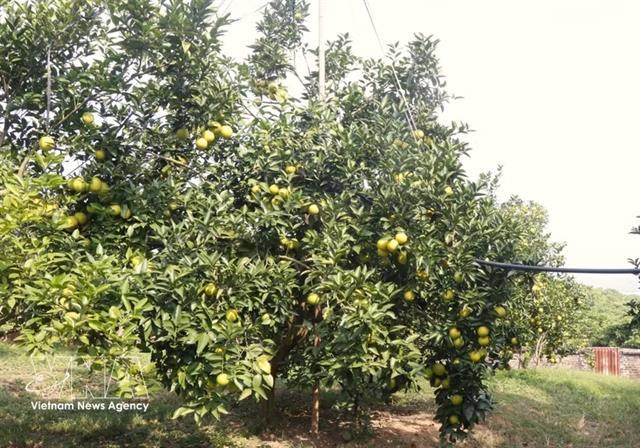
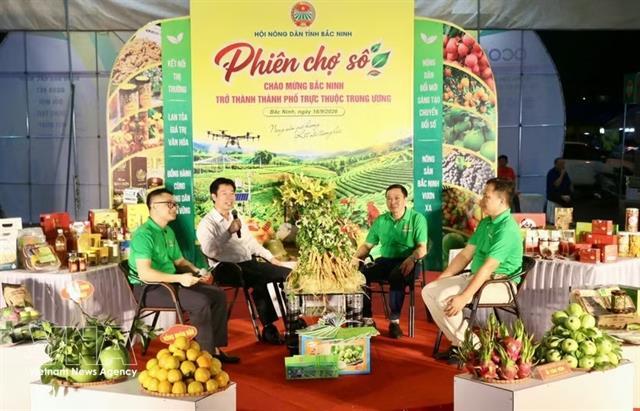
Bắc Ninh Authorities are leaning on growing area codes for traceability and market access. As of October 16, this year, the city had 91 codes covering 1,764.9 ha, including 80 for export, 11 for domestic sales.
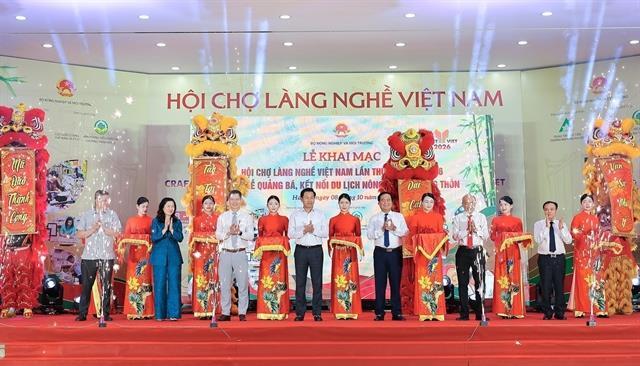
The fair showcases a wide range of products, including traditional handicrafts, fine arts and products certified under the One Commune One Product (OCOP) programme at three stars or above, as well as distinctive goods from different regions.
The events seek to link traditional craft preservation with product innovation, tourism and market development, while helping craft villages and rural tourism destinations reach domestic and international markets.
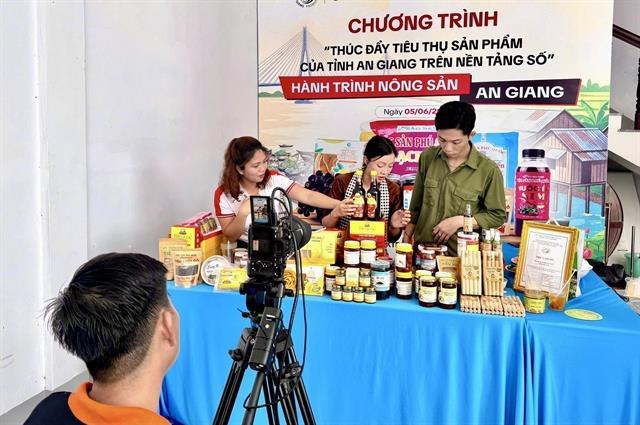
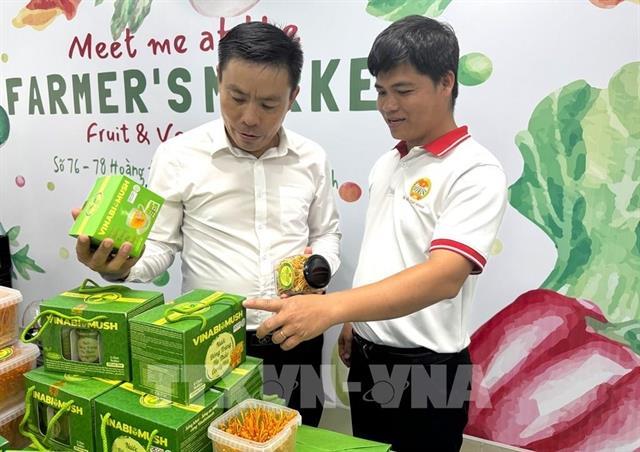
A highlight of the event was the direct engagement of producers who introduced their products, shared information about production processes and quality standards, provided guidance on product identification, and engaged with consumers through online sales.
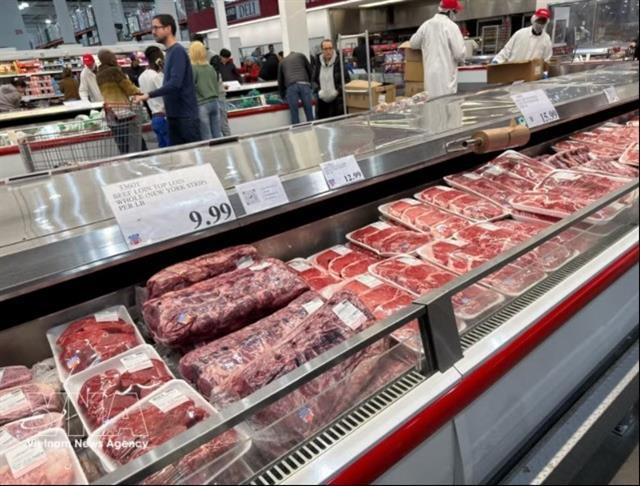
Experts said pig farming must be developed through integrated supply chains linking breeding, farming, slaughtering, processing and final products to help producers control costs, improve traceability and strengthen their ability to compete with imported meat.
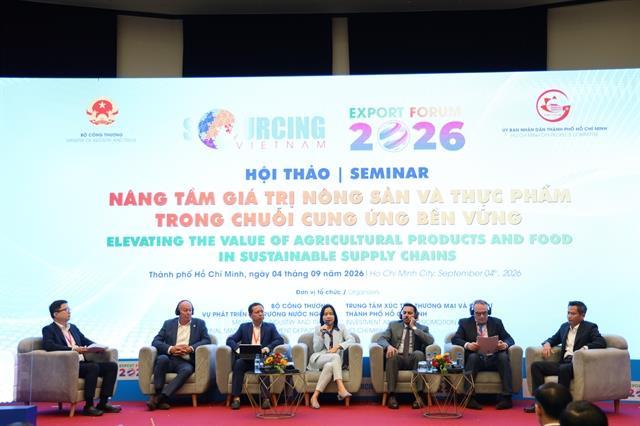
Vietnamese businesses need to move agricultural and food exports up the value chain, shifting from raw products and volume-driven growth towards higher-value, processed and branded goods as global standards on quality, traceability and sustainability become increasingly stringent, according to officials...
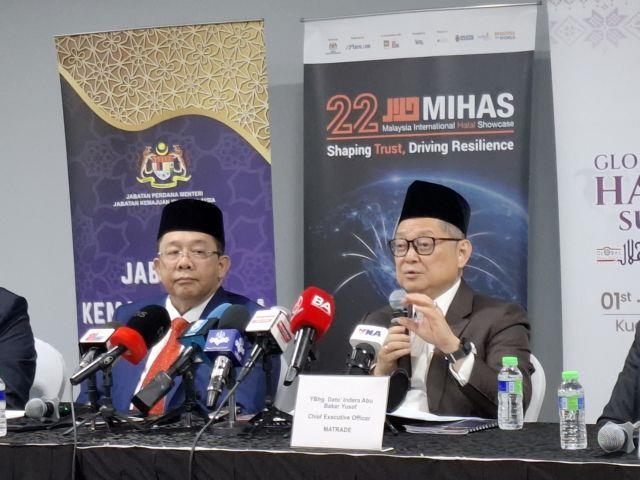
Malaysia sees significant potential for Việt Nam to integrate into the global Halal supply chain and is committed to strengthening trade cooperation and providing technical support to help Vietnamese businesses meet stringent Halal requirements.
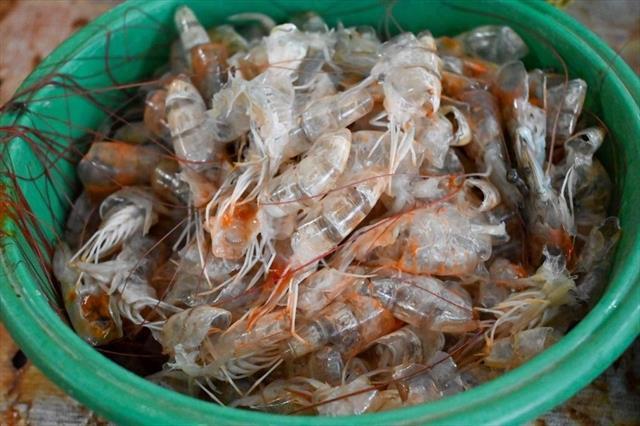
The seafood processing industry generates large volumes of by-products that could be converted into higher-value products, creating new economic opportunities, reducing waste and supporting the development of a circular bioeconomy.
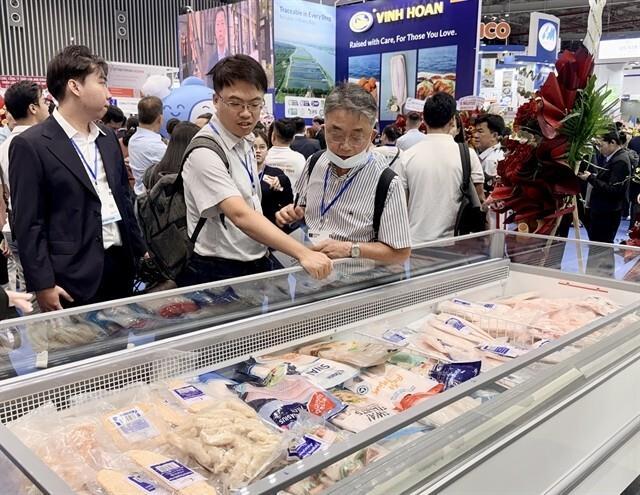
Global demand for aquatic products for food and non-food uses is projected to grow by 11 per cent over the next decade, driven largely by expanding aquaculture and rising consumption in developing markets, according to the Food and Agriculture Organisation...
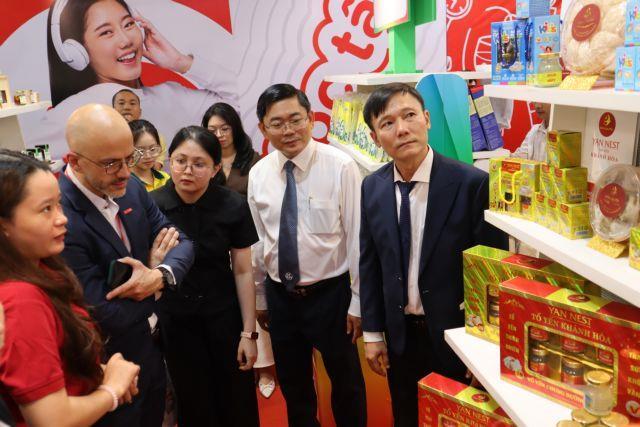
Exhibitors from Thái Nguyên, Ninh Bình and several other provinces, including Hưng Yên, Phú Thọ, Sơn La, Hải Phòng, Bắc Ninh and Lào Cai, are displaying OCOP-certified products, agricultural goods, processed foods, handicrafts and regional specialties.
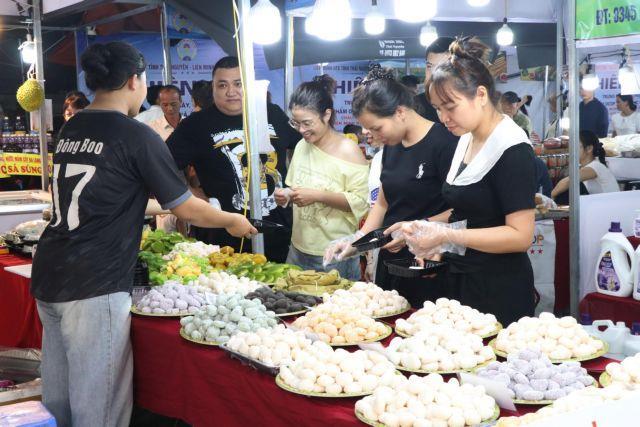
A wide range of Vietnamese products are on display at the "Week of Trade Connection and Introduction of Vietnamese Products 2026”, which opened at GO! An Lạc shopping centre in HCM City on July 30.