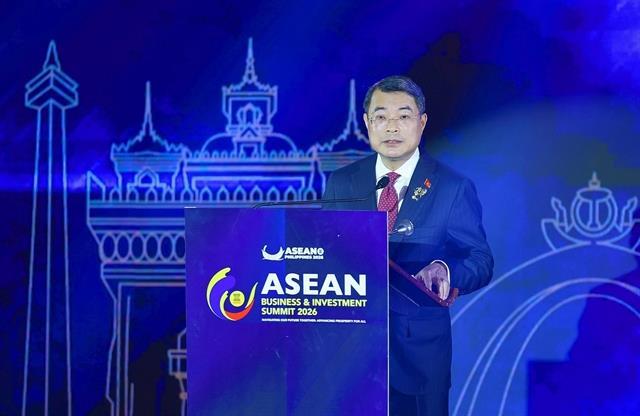

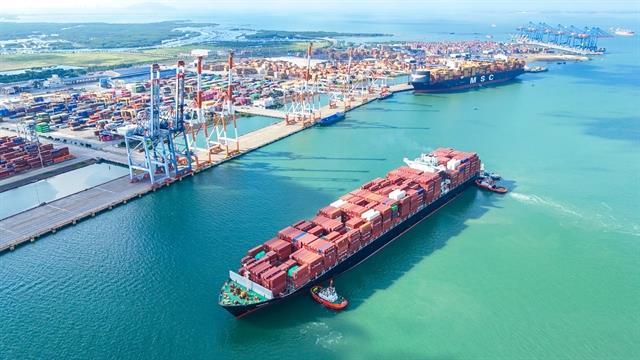

ASEAN needed not only to mobilise more capital and build new facilities but also to identify the right priorities, allocate resources efficiently and ensure effective implementation of regional infrastructure projects.
The Leningrad Region proposed cooperation in industrial production and localisation, LNG supply and port infrastructure, as well as organic fertilisers, tea and coffee distribution and packaging.
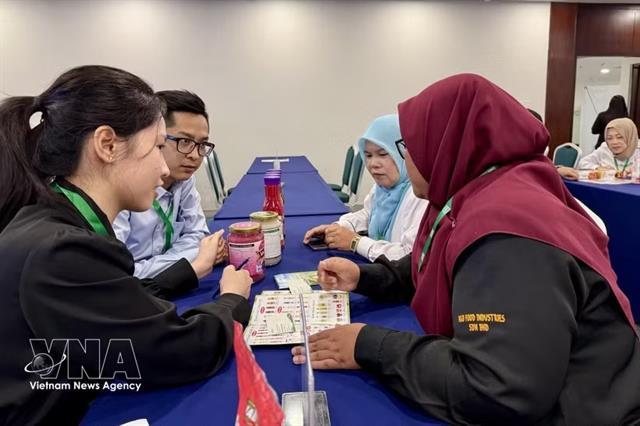
It centred on a business-to-business (B2B) matchmaking session, bringing Vietnamese and Malaysian companies together to discuss import-export needs, seek partners and explore cooperation.
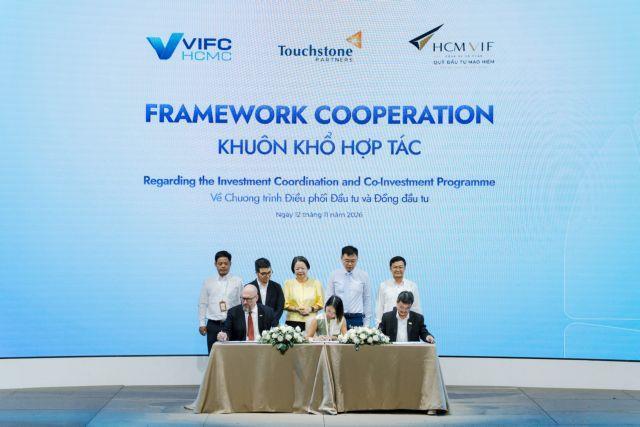
A US$100 million co-investment programme aims to connect public and private capital to help Vietnamese technology startups scale up and bring innovation to market.
Under the agreement, the two groups will explore cooperation in international capital markets, corporate finance and project financing, while connecting Japanese investors with Sovico''s businesses in banking and finance, aviation, infrastructure, digital transformation and real estate.
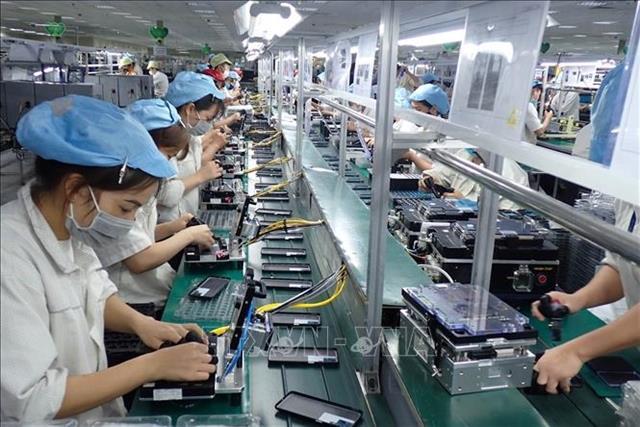
The country attracted US$54.85 billion in registered foreign investment during the January-October period, up 74 per cent from a year earlier and the highest level since 2008, according to the Ministry of Finance''s National Statistics Office.
About 60 businesses from Gunma have invested and operated in Việt Nam, with many planning to expand their operations and increase investment. HCM City, one of Việt Nam’s leading economic centres, has attracted particular interest thanks to its strong growth...
To support Vietnamese exporters and help Vietnamese goods gain wider access to the Malaysian market, the Vietnam Trade Office in Malaysia has coordinated the development and completion of a dedicated exhibition area for Vietnamese product samples at its office.
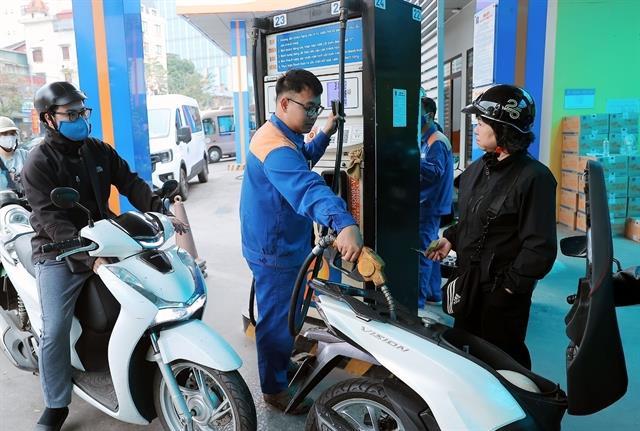
The latest adjustment was based on import cost benchmarks for petroleum products and the implementation of the price stabilisation fund in accordance with a decision issued the same day by the Ministry of Industry and Trade.
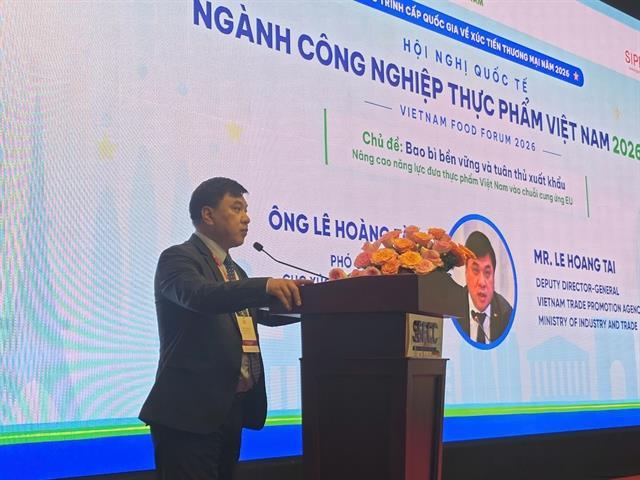
Meeting the EU’s increasingly stringent food safety, packaging and sustainability standards is key to helping Vietnamese food exporters tap the bloc’s market potential.
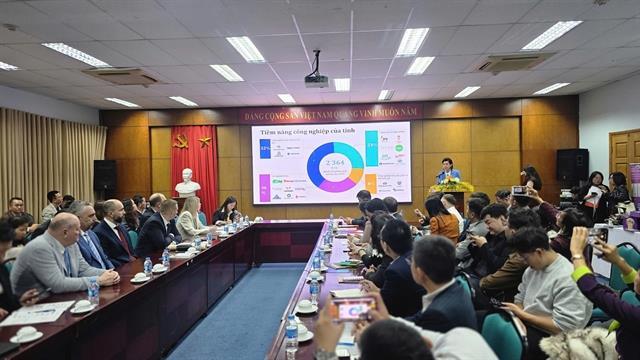
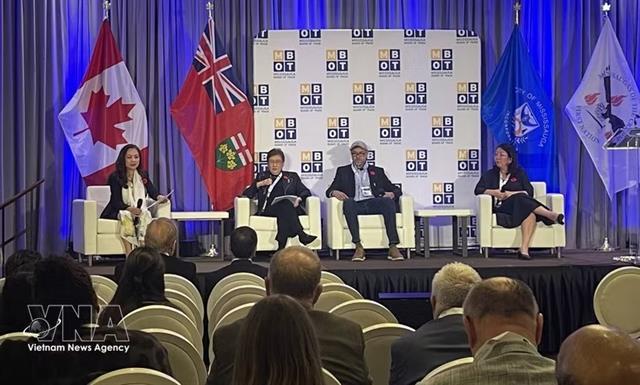
Canadian businesses could provide food processing and preservation solutions, consultancy and design services for energy transition projects, software, artificial intelligence and cybersecurity solutions, as well as diagnostic and digital healthcare technologies.
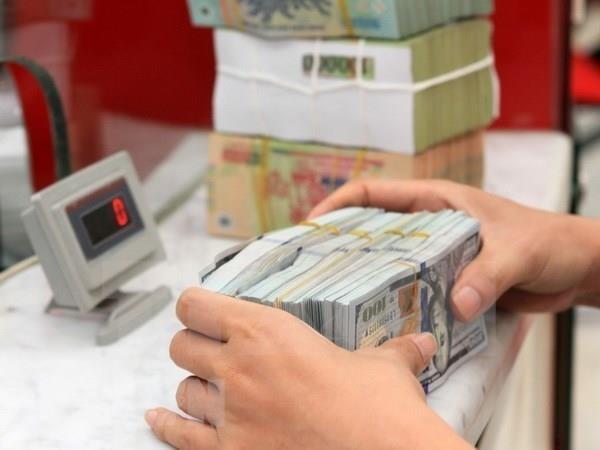
According to the Việt Nam Banks Association, the SBV injected a net VNĐ28.13 trillion through open market operations (OMO) in the final week of October.
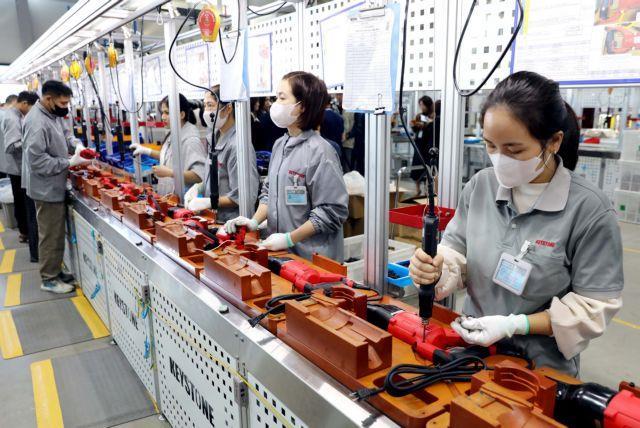
The industry recorded total revenue of $215 billion in 2025, up 36 per cent from the previous year, with exports reaching $172 billion, an increase of 30 per cent.