


Vietnamese businesses need to strengthen their production capacity, achieve higher standards, and build long-term partnerships as global supply chains undergo major changes.
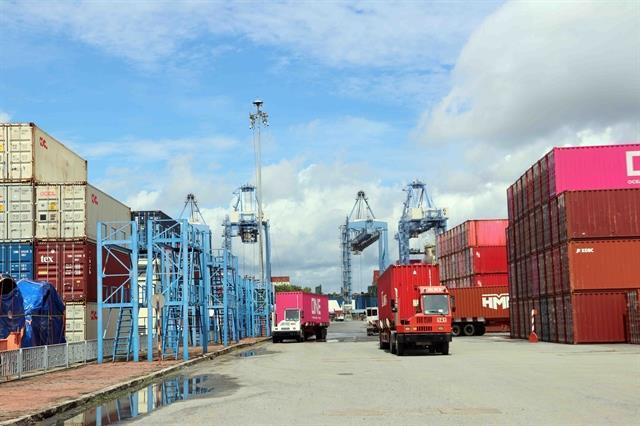
The US was Việt Nam’s largest export market in the first eight months of 2026, with revenue of $122 billion, while China remained the country’s biggest source of imports, with turnover of $161.9 billion.
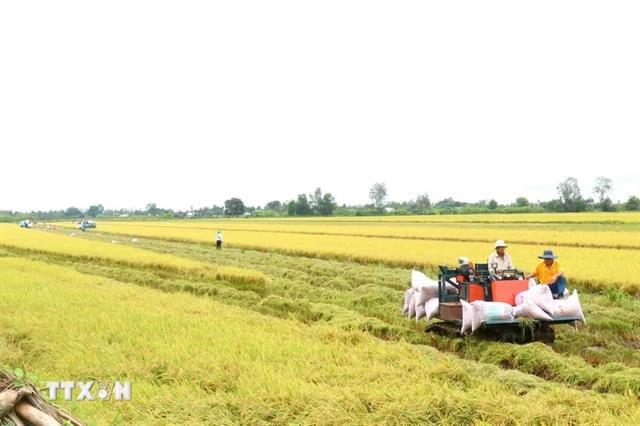
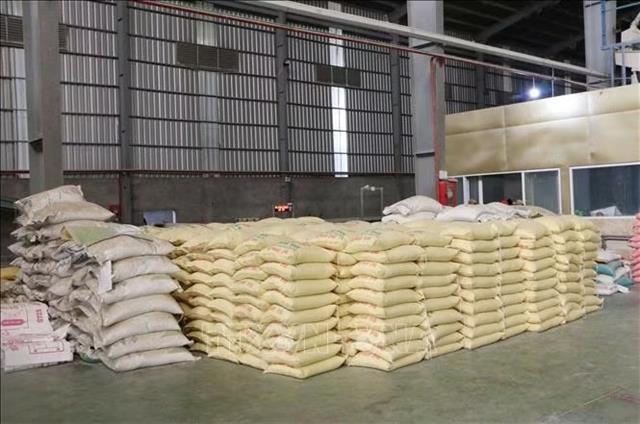
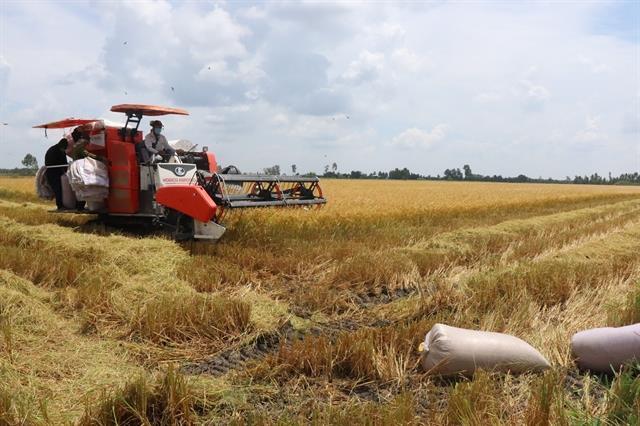
The total rice export value is forecast at around US$3.94 billion for this year, down about 4 per cent from last year due to low average export prices in the first months of the year.
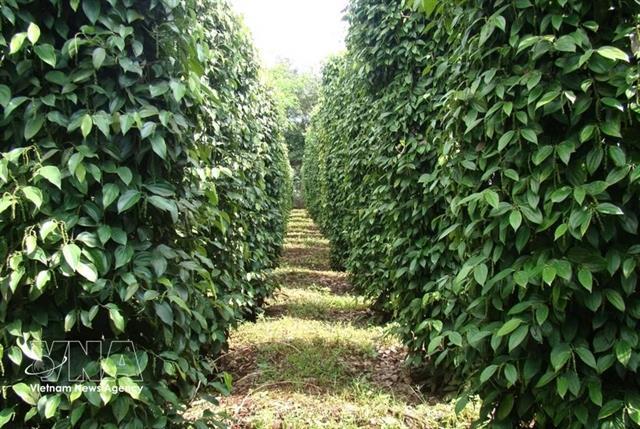
During January-July, the country exported 168,429 tonnes of pepper worth US$1.087 billion, a 16.1 per cent surge in volume and a 10.1 per cent climb in value compared to the same period last year.
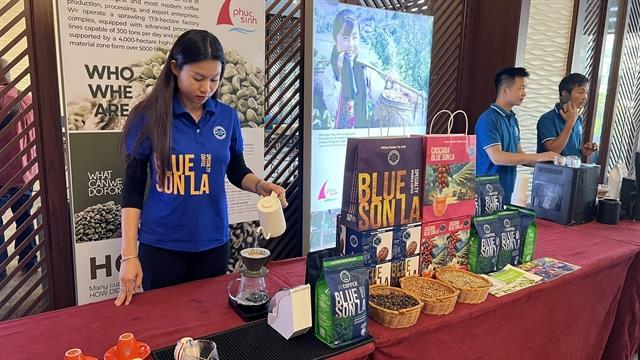
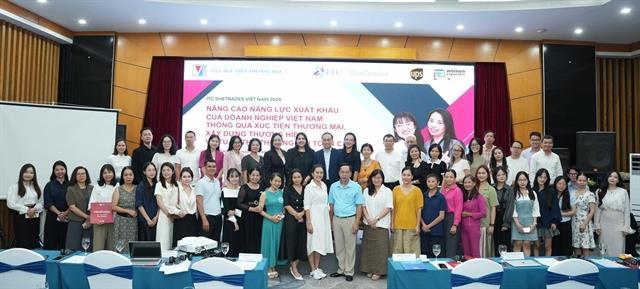
Connected through Việt Nam’s overseas trade offices, the buyers are seeking suppliers across sectors including shipbuilding, plastics, food, seafood, agriculture, textiles, furniture, logistics and consumer goods.
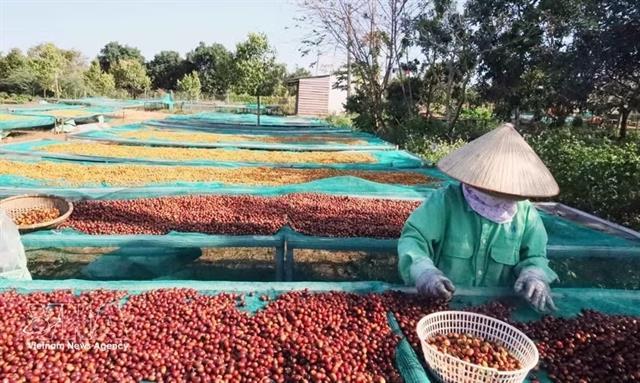
Việt Nam is optimistic about achieving around US$9 billion in exports in 2026, supported by higher production, growing investments in value-added processing, and the advantages from complying with the European Union Deforestation Regulation.
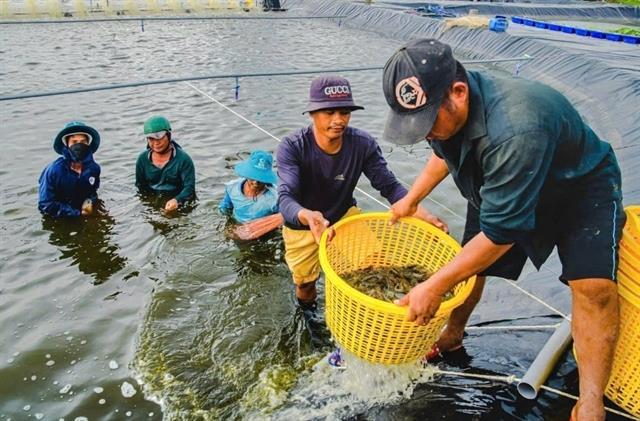
Global demand for aquatic products for food and non-food uses is projected to grow by 11 per cent over the next decade, driven largely by expanding aquaculture and rising consumption in developing markets, according to the Food and Agriculture Organisation...
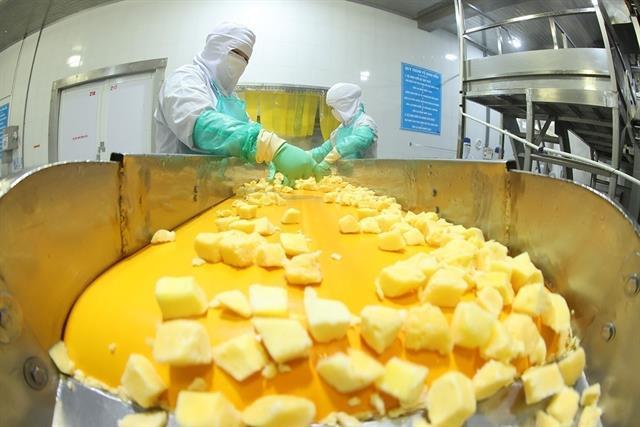
The rapid growth has made durian one of Việt Nam''s leading agricultural export products but has also exposed weaknesses in the management of growing areas, quality control, varieties, pest management and production organisation.
Cooperation should go beyond individual purchasing deals towards the development of a complete industry chain, with quality controlled at the source and more value retained by participants, particularly farmers.
The Vietnam International Fisheries Exhibition (Vietfish 2026) opened at the Saigon Exhibition and Convention Centre in HCM City on August 19, bringing together businesses across the seafood value chain and showcasing the country’s production and processing capabilities.
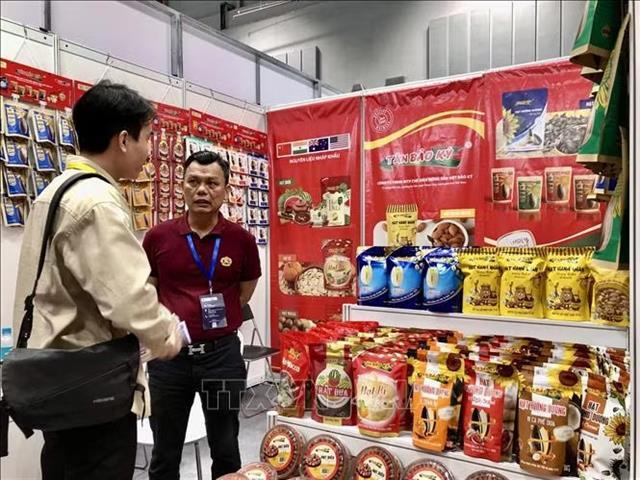
The US is one of Việt Nam''s largest and most important export markets. Alongside traditional products such as garments, footwear and wooden furniture, made-in-Việt Nam food products are increasingly common not only in distribution channels serving Asian communities but also...
The industry will have to contend with four major challenges: higher tariffs, stricter traceability requirements, rising input costs, and intensifying competition in key markets.