E-commerce opens new path to the European market
The second phase of the Access to the European Market through E-commerce project focuses on helping these businesses meet the standards, regulations and buyer requirements needed to enter the EU market.
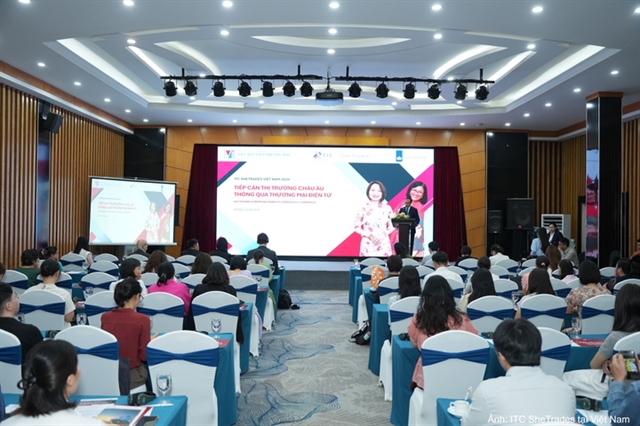
HÀ NỘI — E-commerce is giving women-led businesses in Việt Nam a more accessible route to international markets, but reaching European buyers requires more than simply putting products online.
The second phase of the Access to the European Market through E-commerce project focuses on helping these businesses meet the standards, regulations and buyer requirements needed to enter the EU market.
It builds on the first phase, implemented from October 2024 to December 2025, which focused on strengthening the export capabilities of women-led businesses and expanding their access to European markets through digital trade.
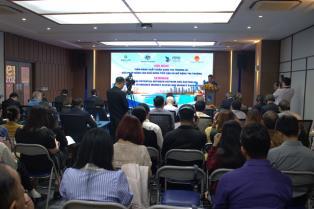
Speaking at the phase launch on Tuesday, Jens Kuitert, second secretary for political affairs at the Embassy of the Netherlands in Việt Nam, said the second phase would provide more targeted support to women-led businesses, with the aim of expanding their presence in the European market through e-commerce.
With around 500 million consumers, Europe represents a major market for Vietnamese businesses, Kuitert said. Closer cooperation between businesses and Government agencies can also strengthen dialogue and provide input into policymaking, he added.
The Dutch embassy also highlighted women’s entrepreneurship as an important driver of sustainable and inclusive economic development. Supporting women entrepreneurs can help unlock underutilised economic resources while creating jobs and opportunities for communities.
The first phase provided a foundation for further expansion. More than 500 entrepreneurs received e-commerce training, while 32 women-led businesses, in partnership with Alibaba.com, established online stores and listed more than 12,700 products.
In the second phase, greater emphasis will be placed on access to the European market, where opportunities come with demanding requirements for small businesses. These include product standards, legal and regulatory compliance, packaging and labelling, sustainability requirements and specific buyer expectations.
The project will therefore focus on improving the EU market readiness of women-led businesses, helping them understand market requirements and build the capacity to meet them in practice.
In addition to continued support for e-commerce and digital capabilities, the programme will help businesses identify opportunities in Europe, assess and improve their market readiness, adapt products and business models where necessary and prepare to connect with European buyers.
Nguyễn Bảo Thoa, national coordinator of ITC SheTrades in Việt Nam, said the programme consists of three main components: digital capacity building, access to the European market and development of a sustainable business ecosystem.
Through in-person training and business-matching activities, the programme aims to build a stronger community of women-led businesses capable of expanding into international markets. — VNS