Renovated office buildings – new trend in HCM City’s real-estate market
The refurbishment of Mê Linh Point Tower in 2020 has resulted in a significant surge of up to 30 per cent in its rental rates, marking a notable transformation for the nearly 30-year-old building located in the heart of HCM City.
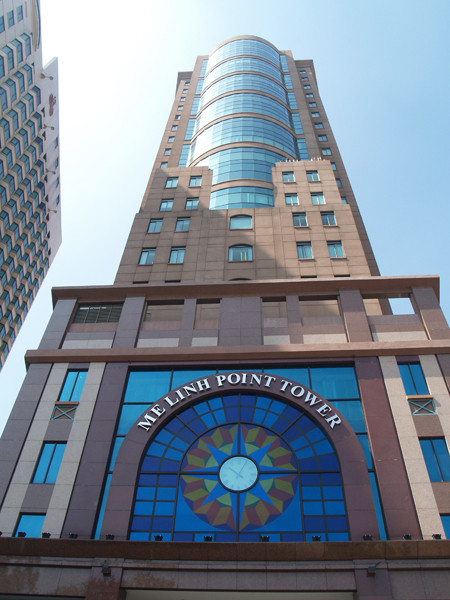
HCM CITY — The refurbishment of Mê Linh Point Tower in 2020 has resulted in a significant surge of up to 30 per cent in its rental rates, marking a notable transformation for the nearly 30-year-old building located in the heart of HCM City.
Following the renovation period, the tower now boasts enhanced features such as a new water chiller air conditioning system, sensor faucets in restrooms and security turnstiles for access management. Additionally, upgrades have been made to amenities like the lobby, central ventilation and waste management, leading to the attainment of Green Mark Certification and LEED O&M Certification.
The revitalisation of Mê Linh Point Tower has not only benefitted landlords and tenants but has also contributed to energy savings and set a new standard for older buildings in HCM City.
Renovation is seen as an emerging trend that building owners and developers in the city are embracing to align with the evolving landscape of new construction and elevate the standard of the city’s office market.
Apart from Mê Linh Point Tower, enhancement initiatives have been widely undertaken in various buildings across HCM City, including the Vincom Đồng Khởi and M Plaza buildings.

In a recent media briefing, JLL researchers forecast that over 50 per cent of office buildings in Việt Nam, particularly in HCM City, are ripe for value-enhancing upgrades. The company emphasised that the office market in HCM City is undergoing a significant shift, with factors like energy efficiency, workplace quality, Net Zero capability, and employee experience now taking precedence over traditional determinants like location and rental rates.
The company’s research suggests that without upgrades, approximately 65 per cent of current office buildings risk obsolescence by 2030. This presents both a challenge and an opportunity for repositioning existing assets to create new value.
Stephanie Dinh, director of project & development services at JLL Vietnam, highlighted the evolving market dynamics, stating that ESG standards are reshaping the office market.
"ESG is creating new standards for the office market."
She said in the past, many owners viewed building upgrades as costs requiring consideration. Today, we see a completely different picture. Buildings that proactively invest in energy efficiency, user health and operational technology are better able to attract tenants, maintain rental rates and protect asset value in the long term.
"For many existing buildings in HCM City, this is an opportunity to reposition assets and create new competitive advantages,” she said.
As enterprises increasingly embrace ESG in their development strategies, the competitive gap between upgraded and unconverted buildings is widening. However, upgrading existing assets is not about replacing them with new supply but leveraging their inherent advantages, such as prime locations, connectivity and tenant communities, through strategic enhancement investments.
JLL research indicates that with targeted upgrade investments, owners and tenants can realise substantial long-term operational cost savings compared to the initial outlay.
The focus on green certification, energy tracking and Net Zero goals is particularly pronounced among technology, finance, pharmaceutical, and professional services firms in alignment with global emission reduction commitments.
Dinh underscored that ESG has fostered a collaborative landlord-tenant relationship, offering mutual benefits such as increased occupancy rates, improved environments and cost savings. Upgrading existing buildings is no longer merely a defensive measure but a proactive growth strategy that positions assets to meet future tenant demands sustainably.
"Today, ESG creates opportunities for both parties to achieve their goals. Landlords benefit from higher occupancy rates, better rental rates and preserved value. Tenants benefit from lower operating costs, better quality environments and carbon neutrality commitment fulfillment. This is a true win-win scenario." — BIZHUB