Property to be granted e-identification codes from March 1
Each real estate product will have its own unique electronic identification code starting from March 1 this year to ensure transparency, strict management and standardisation of market information.
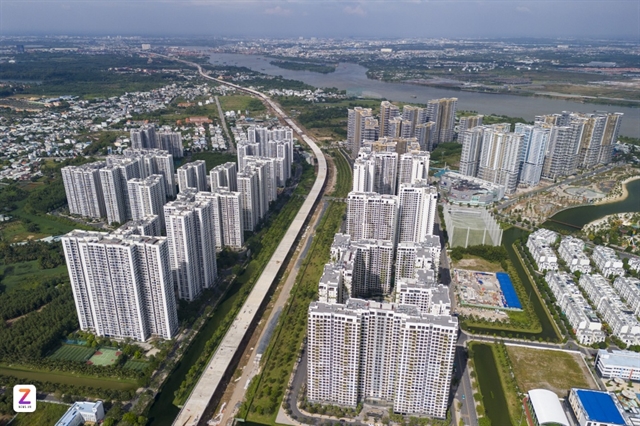
HÀ NỘI — Each real estate product will have its own unique electronic identification code starting from March 1 this year to ensure transparency, strict management and standardisation of market information.
The new regulation comes under Decree 357/2025/NĐ-CP on the construction and management of information systems and databases on housing and the real estate market nationwide issued by the Government in the early days of 2026.
According to the decree, the information system and database on housing and the real estate market will be built and managed uniformly from the central to local levels. The Ministry of Construction is responsible for building and managing the system nationwide. Provincial people's committees are responsible for collecting data, updating and using the database.
The electronic identification code for each real estate product is a string of alphanumeric characters, with a maximum of 40 characters. This code is granted individually to each house, apartment, detached house and real estate property within a construction project.
The format for the real estate product electronic identifiers will include land plot identifier, project and construction information code, location identifier (if any) and type of real estate product.
In addition to real estate products, the Government also regulates identification codes for each building management company, real estate brokerage licences and individuals eligible for housing support policies.
The real estate market and housing database system must contain complete project information, including total investment, land use scale, construction progress and relevant legal documents.
Simultaneously, the real estate database will include statistics on buying and selling prices, total transaction value and inventory. The system will also contain data on notarised transactions and information on real estate purchase and sale contracts that include the identification code of the real estate and the individual or organisation involved in the transaction, the signing date and the form of transaction (buying, selling, leasing and transfer).
It also contains information on housing ownership by organisations and individuals, such as the type of house, address, area, number, duration and form of ownership, and legal status.
Other ministries and agencies are required to share and provide information on the system and database regarding housing and the real estate market.
Specifically, the Ministry of Agriculture and Environment is responsible for sharing data on land use right certificates and land parcel identification codes.
The Ministry of Finance must provide information on taxes related to real estate transfers.
The State Bank of Vietnam will share results on credit for this sector, such as outstanding loans for real estate investment and business, and outstanding guarantees for future housing projects. — BIZHUB/VNS