Ministry steps up export promotion to tap year-end demand
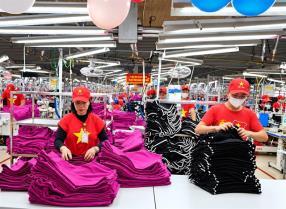
Global purchasing power is expected to strengthen as the Christmas and New Year holiday season approaches, creating opportunities for Vietnamese exporters to secure orders and expand their overseas presence.
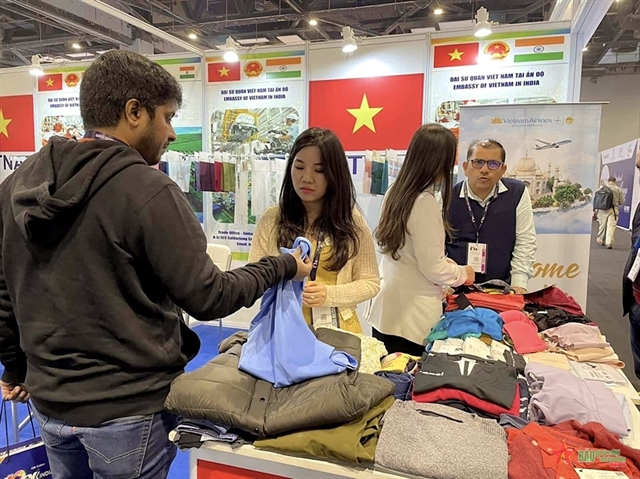
HÀ NỘI — The Ministry of Industry and Trade (MoIT) said it will step up export promotion, diversify markets and make greater use of free trade agreements in the final months of 2026, seeking to capitalise on rising year-end demand and ease pressure on its trade balance.
Global purchasing power is expected to strengthen as the Christmas and New Year holiday season approaches, creating opportunities for exporters to secure orders and expand their overseas presence, the ministry said.
Nguyễn Anh Sơn, director general of the ministry's Agency of Foreign Trade, said his agency had worked with electronics manufacturers and major agricultural importers to explore measures to manage the trade deficit in line with Government and ministry directives.
The ministry would focus on promoting domestic production, expanding export markets and strengthening early-warning systems for tariff changes, trade defence measures, rules of origin, environmental standards and product traceability, Sơn said.
It would also help businesses improve product quality, build brands and gain access to overseas markets.
Vũ Bá Phú, director general of the ministry's Vietnam Trade Promotion Agency (VIETRADE), said the agency would coordinate with relevant agencies to implement export promotion initiatives and help businesses broaden their international reach.
Priority would initially be given to companies with established markets, sufficient production capacity and sound business operations, enabling them to capitalise on existing strengths. For businesses not yet ready to expand exports, VIETRADE would explore import promotion strategies suited to their needs and capabilities, Phú said.
Trade promotion should go beyond business meetings and networking to deliver tangible results, including more orders, broader market access and stronger positions in supply chains, he added.
Promotion efforts would target industries with competitive export advantages, further growth potential and the ability to meet international standards, particularly producers of high-value, deeply processed and environmentally friendly goods that comply with emerging requirements.
Top priority would be given to consolidating traditional markets, including the US, the EU, China, Japan, South Korea and ASEAN, while expanding into the Middle East, India, Latin America and Africa, as well as markets covered by free trade agreements that Vietnamese companies have yet to fully exploit.
Businesses also needed more detailed information on market demand, technical standards, rules of origin and market-entry requirements, rather than relying solely on introductions to potential partners, Phú said.
Trương Thị Chí Bình, general secretary of the Vietnam Association for Supporting Industries, said international customers increasingly expected suppliers to participate more actively in product design, finishing and component supply, rather than simply manufacture goods to specifications.
To meet those demands, companies needed stronger production capabilities, access to data and market intelligence, design expertise and closer links with component suppliers. Trade promotion programmes could help by connecting businesses with buyers, suppliers and manufacturing networks, she said.
The approach would also be consistent with Resolution 10-NQ/TW on the development of the foreign-invested economic sector, which emphasises quality, technology, innovation and stronger links between foreign-invested enterprises and domestic businesses.
Improving local suppliers' capabilities and integrating them into international production networks could help Vietnamese companies gain access to technology, participate more deeply in global value chains and increase the value added of their products. — VNS