Ministry drafts agricultural production scenarios amid Middle East conflict
The crisis in the Middle East is anticipated to affect the agricultural sector in different ways, including rising input, production and logistics costs.
HÀ NỘI — The Ministry of Agriculture and Environment (MAE) has developed response scenarios to the ongoing conflict in the Middle East, aiming to mitigate negative impacts, sustain growth momentum, and meet the sector’s development targets for 2026.
This year, the sector aims for growth of at least 3.7 per cent, with total export turnover reaching up to US$74 billion.
Production and export performance in the early months of the year have shown positive signs, providing a basis for achieving these targets.
In the next five years, the sector targets sustainable agricultural development along green and ecological lines, with lower emissions, strengthened food security, and higher incomes for rural residents.
GDP growth in the sector is projected at around 4 per cent annually, while export turnover of agricultural, forestry and fishery products is expected to rise by 8-12 per cent per year.
The conflict in the Middle East is anticipated to affect the sector in multiple ways.
Input costs are likely to rise as energy prices increase, pushing up the cost of agricultural materials, animal feed and transportation.
Agricultural production costs are estimated to increase as much as 5 per cent.
Logistics costs are also expected to surge, with sea freight rates rising by 25-35 per cent and longer delivery times undermining the competitiveness of exports, particularly perishable goods such as seafood and fresh produce.
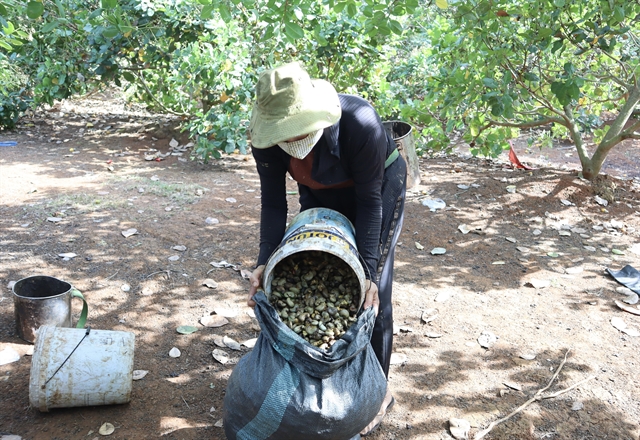
Export categories with significant exposure to the Middle East, such as cashew nuts and pepper, are forecast to face disruptions.
In addition, the conflict could indirectly dampen global demand as economic growth slows, affecting agricultural exports.
The ministry noted that direct impacts from the Middle East market remain limited, as the region accounts for only about 2 per cent of the nation's total agricultural export turnover.
Despite this, indirect risks from supply chain disruptions and rising transport costs require close monitoring.
Based on this assessment, the MAE has introduced three response scenarios corresponding to conflict durations of one month, three months and one year, along with both urgent and long-term solutions.
In the short term, priorities include stabilising input supply and prices, closely monitoring market developments and establishing early warning mechanisms for logistics risks.
Authorities may also support businesses through debt rescheduling, storage and preservation measures, and promoting trade to seek alternative markets.
At the same time, credit and tax policies will be reviewed to better support exporters, reduce production costs, and maintain cash flows amid market volatility.
In the long term, the sector will continue restructuring towards higher value-added production, green agriculture and greater application of science, technology and digital transformation. It also aims to diversify export markets and improve autonomy regarding input materials.
The MAE also recommended that the Government and the Prime Minister direct relevant ministries and agencies to roll out coordinated support policies in credit, trade and agricultural insurance, while enhancing market promotion and addressing challenges facing businesses and producers.
According to the ministry, amid heightened uncertainty, proactively developing response scenarios will help strengthen the sector’s resilience, create opportunities for restructuring, and sustain growth in 2026 and beyond. — VNS