Global buyers turn to HCM City for sourcing
Many multinational buyers are already sourcing extensively in Việt Nam, particularly in the country's key export sectors.
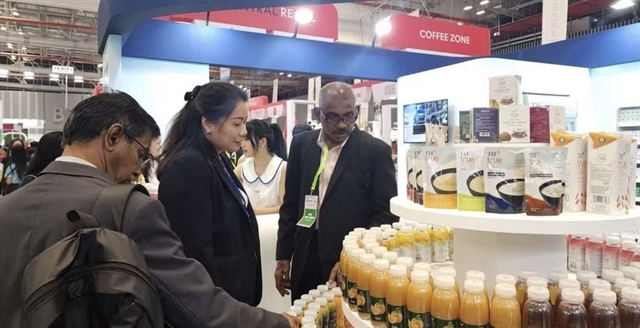
HÀ NỘI — HCM City is attracting a growing number of international buyers seeking Vietnamese suppliers, signalling its emergence as a regional sourcing hub and creating new opportunities for local businesses to integrate more deeply into global supply chains.
According to Vũ Bá Phú, director of the Trade Promotion Agency under the Ministry of Industry and Trade, Vietnam International Sourcing 2026, scheduled for early September, has already drawn registrations from hundreds of international retailers and importers.
Among them are major global players, such as Walmart in the US, India's Reliance Retail and Pagoda of China, all looking to expand their supplier networks in Việt Nam.
Many multinational buyers are already sourcing extensively in Việt Nam, particularly in the country's key export sectors, Sai Gon Giai Phong newspaper reported.
Walmart is seeking suppliers of garments, footwear, household electronics, furniture, food and consumer goods, while Reliance Retail is looking for long-term partners to serve India's market of more than 1.4 billion consumers with processed foods, household products, furniture, apparel, footwear, personal care items and consumer electronics.
Pagoda, meanwhile, is expanding fruit procurement for its network of more than 6,000 stores across China. These are all sectors in which Việt Nam has established strong manufacturing capabilities and extensive participation in global supply chains.
The shift is also giving Vietnamese businesses greater access to overseas markets by allowing them to engage directly with international buyers rather than relying on intermediaries.
Đặng Thọ of Sofaland JSC, owner of the Sofaland Factory brand in Hà Nội, said the company's first sofa shipment to Mexico, although relatively small, demonstrates that Vietnamese-made furniture can meet international quality standards. With the right market connections, domestic manufacturers can compete through product quality, production capacity and reliable order fulfilment, he said.
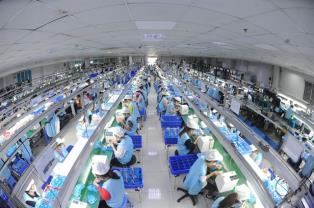
Huỳnh Thanh Trung, director of Leanwares JSC in HCM City, said many Vietnamese firms have strengthened their competitiveness by investing in quality management, digital transformation, product traceability, emissions accounting and environmental, social and governance practices, positioning themselves for deeper integration into multinational supply chains.
Vice Chairwoman of the Ho Chi Minh City Food and Foodstuff Association Trần Thị Phương Hoa said businesses should move beyond meeting individual certification requirements and instead establish internationally compliant management systems.
Standardising production processes, digitalising data, improving traceability and strengthening quality control throughout the production chain would not only lower compliance costs, but also enhance credibility across multiple export markets, she said.
She added that investment in technology must translate into commercial gains. While modern equipment is essential, lasting competitiveness will depend on companies' ability to harness data, AI and automation to forecast demand, optimise costs, improve quality control and develop products tailored to individual markets.
Greater investment in research and development, deep processing, packaging design and brand building will also be needed to meet rising demand for sustainable, convenient and environmentally friendly products.
According to Phú, the growing number of international retailers and importers choosing HCM City as a sourcing destination underscores the city's transformation from a trade promotion venue into a regional procurement hub.
As business matching activities increasingly lead to factory visits, product development and long-term contracts, Vietnamese enterprises will be better positioned to move up the global value chain as higher value-added manufacturing partners. — VNA/VNS