Trading platform aims to boost the value of Vietnamese farm produce
The Vietnam Global Commodities Exchange Joint Stock Company (VIETCOM) sets to launch its international trading platform at the end of this November.
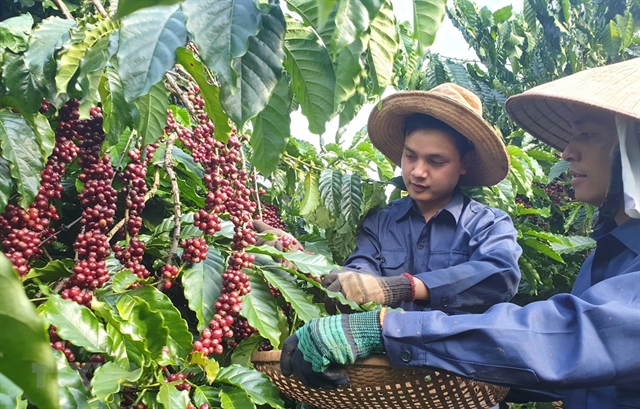
HÀ NỘI — The Vietnam Global Commodities Exchange Joint Stock Company (VIETCOM) is set to launch its international trading platform at the end of November.
VIETCOM will be one of the first enterprises in Việt Nam to operate in the commodity trading and derivatives sector.
It facilitates centralised electronic commodity trading through a multidimensional commercial framework, connecting stakeholders across the value chain, including investors, producers, traders and investment funds. The aim is to make trading as fast, convenient and efficient as possible.
Driven by its aspiration to increase the value of Vietnamese agricultural products, VIETCOM aims to build a modern, transparent commodity trading model that creates additional value for farmers.
Việt Nam has many agricultural products that hold significant positions in global supply chains. However, strengths in production and exports do not necessarily translate into the ability to influence global price-setting. For key commodities such as coffee, rubber and pepper, price fluctuations on international exchanges continue to have a substantial impact on domestic businesses.
This makes it necessary to develop modern, transparent infrastructure for the commodity trading market, create additional risk-management tools and gradually strengthen Việt Nam’s position in the global value chain.
Following four years of research and preparation, VIETCOM is refining its technology infrastructure, workforce and financial strategy. The company aims to develop a commodity trading model that connects the Vietnamese market with international markets, contributing to better price discovery and greater commercial value for Vietnamese agricultural products.
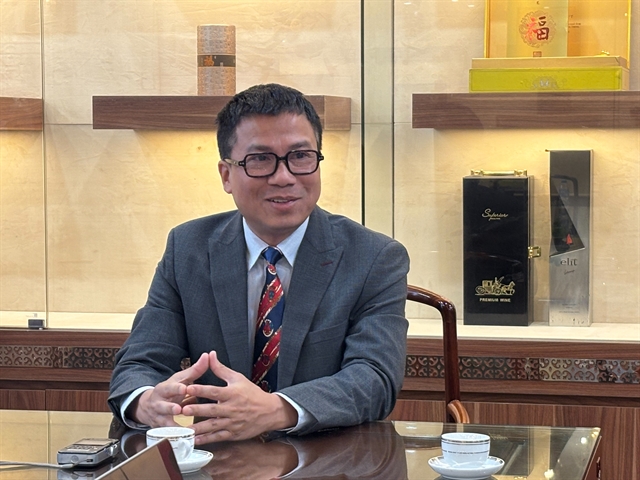
According to Nguyễn Thanh Tùng, chairman of the board of directors of VIETCOM, the idea of developing a commodity exchange model stems from concerns about the position of Vietnamese agricultural products in global trade.
Although Việt Nam exports many commodities that play a significant role in international markets, domestic producers and businesses have limited influence over price-setting.
“A prime example is Robusta coffee. Việt Nam has a significant supply advantage, yet London prices remain the benchmark for many export contracts. This underscores the need to explore trading mechanisms that better reflect the quality, supply and characteristics of Vietnamese products, while empowering local businesses to improve access to information, manage risk and strengthen their negotiating position with international partners,” Tùng said.
In response, VIETCOM has developed a modern commodity trading model connecting raw material production areas and exporters with importers and other international trade partners. Tùng said that, once licensed and operating effectively, the model could help establish reliable reference prices, create additional sales channels and make trading more transparent.
“The commodity trading project will help create a more transparent market mechanism, enabling Vietnamese enterprises to be more proactive in international trade while increasing potential benefits for direct producers,” Tùng said.
Over the past four years, VIETCOM has focused on researching market organisation models, developing technological infrastructure, preparing personnel and devising solutions for payments, risk management and information security, according to Tùng. The team involved in these preparations currently consists of nearly 100 people with expertise in economics, finance and technology, as well as experience in commodity trading.
VIETCOM is exploring financing options to meet the requirements for developing its model within the framework of the Vietnam International Financial Center in Đà Nẵng City. The company estimates that its charter capital will be approximately VNĐ1.5 trillion.
The company will focus on commodities in which Việt Nam has a competitive advantage, such as coffee, rubber and black pepper, while also exploring opportunities to facilitate trade in high-value products such as bird’s nests, agarwood and Ngọc Linh ginseng.
By standardising information on origin, quality, production volume and pricing, VIETCOM aims to help Vietnamese goods reach buyers with genuine demand directly.
Tùng said the greatest challenge for an exchange model lay not only in building the technological infrastructure but also in attracting enough buyers and sellers, expanding the network of participants, ensuring liquidity and establishing effective risk management mechanisms. These are essential to generating reliable benchmark prices and building trust among international partners.
Beyond its business objectives, Tùng said, VIETCOM had committed to allocating 50 per cent of profits from its commodity trading activities to supporting farmers and communities in raw material sourcing and production areas. - VNS