Đồng Nai aims to become international cashew trading hub
Home to more than 176,000 hectares of cashew plantations, Đồng Nai City is leveraging its strengths in cultivation and processing to build a more competitive and sustainable cashew industry.
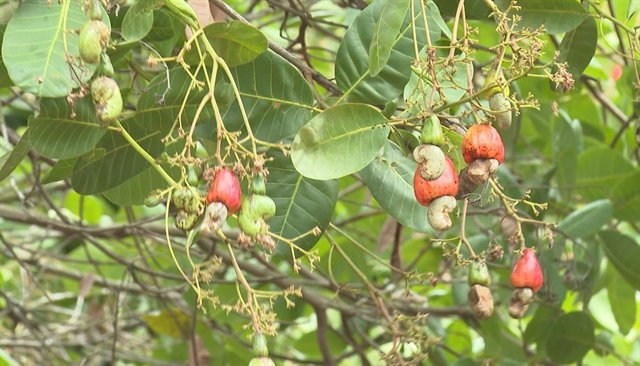
ĐỒNG NAI — Home to more than 176,000 hectares of cashew plantations, Đồng Nai City is leveraging its strengths in cultivation and processing to build a more competitive and sustainable cashew industry.
The city is pursuing plans to become an international cashew trading hub through expanded value-added processing, stronger supply chain linkages and greater integration into global markets.
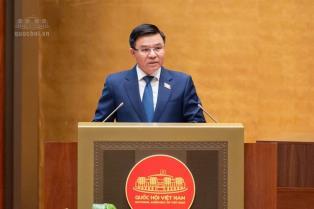
According to Vietnam Cashew Association (VINACAS) Secretary General Đặng Hoàng Giang, Đồng Nai is not only Việt Nam's "cashew capital" but also one of the world's important cashew centres.
"The city is among the few localities with a relatively complete cashew ecosystem, including raw material production, processing, machinery manufacturing, logistics, exports and supporting industries," Giang said.
Despite these strengths, the industry continues to face multiple challenges.
Raw material supplies remain heavily dependent on imports from Africa, while climate change is affecting yields and crop quality.
The sector is also confronting growing competition from foreign processors, stricter environmental requirements, shortages of highly skilled workers and slow digital transformation.
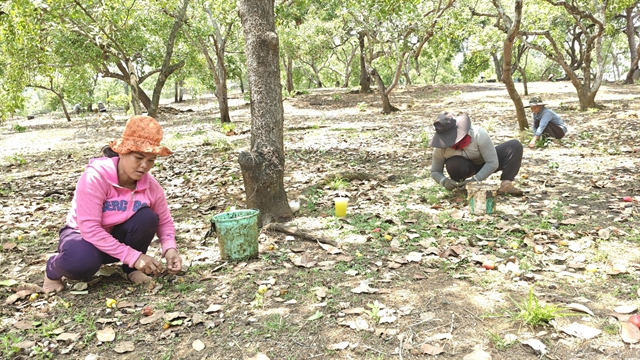
Lê Thúc Long, deputy head of the city’s Rural Development Sub-Department, said Đồng Nai has gradually established large-scale specialised cashew growing zones and farmers have invested in rejuvenating orchards, adopting high-yielding grafted varieties and applying mechanisation in cultivation and harvesting.
However, many plantations remain old and unproductive.
Production is still fragmented, adoption of VietGAP and organic standards remains limited and raw material quality is inconsistent.
Climate change and pest outbreaks are adding further pressure on growers.
The processing sector has also expanded considerably.
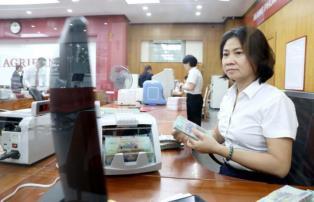
The city is home to nearly 2,800 businesses and facilities involved in purchasing, processing and trading cashew products.
Several enterprises have invested in modern technology and diversified into value-added products such as roasted cashews, flavoured nuts, cashew milk, cashew butter, confectionery and nutritional foods.
Cashew products from Đồng Nai are sold domestically and exported to numerous international markets.
Nevertheless, businesses continue to face fluctuating prices, heavy dependence on export markets, a relatively low share of deep processed products and limited internationally recognised brands.
VINACAS has expressed support for Đồng Nai's strategy to restructure its raw material base, increase value-added processing and develop logistics and commercial infrastructure linked to global supply chains.
The association has also endorsed plans to gradually establish an international cashew trading centre in Đồng Nai, strengthen the Đồng Nai and Việt Nam cashew brands and promote digital transformation, green production and circular economy models.
Giang said sustainable development of the cashew industry should not be viewed solely through the lens of export growth.
"It is also about improving incomes and livelihoods for hundreds of thousands of farming households, preserving rural employment and supporting sustainable economic development," he said.
VINACAS pledged continued support in trade promotion, market development, branding, digitalisation, green transformation and workforce training, while coordinating with government agencies, businesses and international organisations to formulate policies that would help Đồng Nai become a regional and global cashew industry and trading hub.
For its part, Đồng Nai is implementing a range of measures to develop a sustainable raw material base.
These include reviewing and planning specialised cultivation areas, rejuvenating ageing orchards, promoting high yielding varieties, expanding VietGAP and organic production, and strengthening traceability through planting area codes.
The city is also encouraging stronger linkages between farmers, cooperatives and enterprises, while supporting specialised cashew cooperatives, contract farming, deep processing technologies, product diversification and the development of the "Đồng Nai Cashew" brand to ensure stable supplies, market access and competitiveness.
Cashew products are also being integrated into OCOP programmes, trade promotion events and digital commerce platforms.
Under its development plan, Đồng Nai aims to maintain 163,000 hectares of cashew plantations by 2030 while increasing output to 293,200 tonnes through productivity improvements.
The city plans to replace or rehabilitate ageing orchards with high-yielding varieties, with 80–90 per cent of new cashew areas using certified varieties and 40–50 per cent applying intensive cultivation techniques by 2030, while promoting intercropping and integrated farming models on around 8 per cent of growing areas.
By 2030, all cashew kernel processors are expected to automate shelling and peeling operations, with over 95 per cent of facilities maintaining quality certifications such as ISO, HACCP and GMP.
The city is also promoting deep processing technologies and by-product utilisation, aiming to raise the share of deep-processed products to 25–30 per cent.
Vice Chairman of the Đồng Nai People's Committee Nguyễn Tuấn Anh said local authorities would continue supporting farmers and businesses through stable raw material development, modern processing industries, stronger branding and broader market access.
"Our goal is to create a sustainable cashew industry that delivers higher value, stronger competitiveness and long-term livelihoods for growers," he said. — VNS