Banks expand trade finance market
The trade finance gap in Việt Nam is estimated at $95 billion, equivalent to 24 per cent of total demands.
HÀ NỘI — Eight banks are piloting a trade finance registry (TFR) platform that is expected to help them expand their trade finance operations in the next few years, creating more opportunities for businesses to access funding.
According to the Vietnam Banks’ Association (VNBA), the TFR platform is being tested at Agribank, Vietcombank, BIDV, VietinBank, Techcombank, VPBank, MB and Standard Chartered. These banks account for approximately 70 per cent of the trade finance market share in Việt Nam. VNBA recently conducted an initial evaluation of the TFR platform, which ran from May to October.
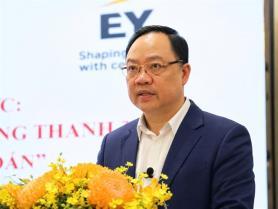
Nguyễn Thanh Sơn, Deputy Head of the VNBA’s TFR Working Group, said that the TFR platform is designed to facilitate the cross-referencing of transactions among credit institutions, thereby identifying instances where a single document or account receivable might be used to secure financing from multiple banks. The platform is aimed to enhance the efficiency of credit appraisal and expanding financing opportunities for businesses,
Key areas of interest for commercial banks include methods for recording transactions, access rights for participants, and the platform's capacity to handle various types of documents.
Throughout November, the TFR Working Group will continue to collaborate with banks and technology partners to clarify objectives, operational scope, as well as connectivity, security, and legal requirements. These requirements will serve as the foundation for finalising the implementation plan, with work scheduled to continue through May 2027.
Regarding the platform's pilot solutions, FPT IS is working with MonetaGo to develop interfaces for banks, provide infrastructure, and support integration with relevant systems. According to FPT IS, initial testing indicates that the solution operates stably, processes data rapidly, and has received positive feedback.
In fact, preparations for the implementation of the TFR platform are taking place at a time when trade finance activities across many banks are experiencing robust growth.
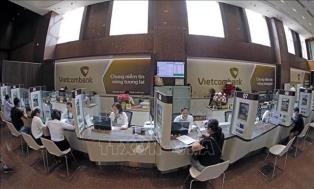
According to Vietcombank, the bank’s international payment and trade finance volume grew by 16.1 per cent in the first six months of 2026, securing an 18.6 per cent market share.
However, according to Vincent Chin, Managing Director and Senior Partner at the Boston Consulting Group (BCG), the trade finance gap in Việt Nam is estimated at $90-100 billion, equivalent to 24 per cent of total demands.
BCG’s research highlighted obstacles such as the risk of fraud, the costs associated with credit assessment, and limited information availability when banks consider providing financing, particularly to small and medium-sized enterprises.
Following consultations with commercial banks, BCG proposed prioritising five categories of operations for the TFR platform design, including commercial loans, letters of credit, invoice financing, bank guarantees, and documentary collections.
According to VNBA, only about 16 credit institutions in Việt Nam are currently engaged in factoring services. It expects the TFR platform to assist banks in verifying accounts receivable and preventing the reuse of the same documentation to seek financing from multiple credit institutions. This, in turn, will facilitate the expansion of factoring and supply chain finance services.
BCG said that the TFR could deliver significant economic benefits if implemented widely in Việt Nam. Specifically, the platform could reduce credit losses by approximately $60-70 million annually, increase financing available to businesses by $0.9-1 billion, and boost the value of financed trade by $2-2.3 billion.
According to the VNBA, to realise these benefits, the association and the banks participating in the TFR will continue to refine the platform’s operational scope, information-sharing mechanisms, cost structures, and customer data security protocols. Addressing these requirements will lay the foundation for the platform to gradually assist commercial banks in expanding their trade finance operations, growing their client base, and enhancing the effectiveness of their risk management. — BIZHUB/VNS